
Off Season Wedding Venues: A Smarter Way to Plan a Beautiful Celebration
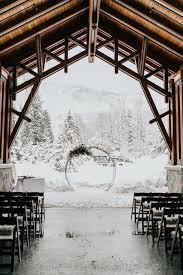
Planning a wedding often comes with the assumption that the most popular months are automatically the best. However, couples who look beyond the traditional wedding calendar can discover something even more appealing: off season wedding venues. Choosing a date outside the busiest wedding period can provide greater flexibility, distinctive atmosphere, and opportunities to create a celebration that feels genuinely personal.
An off-season wedding does not mean compromising on beauty or experience. In many cases, it gives couples more freedom to select a venue that might be difficult to secure during peak months while allowing them to design an event around the season itself.
What Is an Off-Season Wedding?
An off-season wedding takes place during a period when weddings are less common in a particular location. The exact months vary depending on climate, local demand, and venue popularity.
For example, a destination with mild winters may have a completely different wedding season from a location with cold temperatures or heavy snowfall. This makes it important to consider the characteristics of your chosen destination rather than following a universal wedding calendar.
Why Consider Off Season Wedding Venues?
One of the biggest advantages is flexibility. Popular wedding dates can become unavailable months or even years in advance. During quieter periods, couples may have more choices when comparing venues.
An off-season celebration can also create a different visual identity. Instead of following the familiar summer wedding formula, couples can embrace seasonal flowers, dramatic landscapes, cozy interiors, or unexpected décor concepts.
More Freedom When Choosing Your Date
Peak wedding seasons can make date selection challenging. A preferred Saturday may already be booked, leaving couples with limited alternatives.
With off season wedding venues, there is often greater flexibility around available dates. This can make it easier to coordinate schedules with family members, photographers, caterers, and other important vendors.
A Different Kind of Wedding Atmosphere
Every season has its own personality. Spring can bring fresh blooms and soft colors, while autumn can introduce warm tones and dramatic natural scenery. Winter celebrations can create an intimate setting with candles, elegant lighting, and indoor sophistication.
Rather than treating the season as an obstacle, couples can make it part of the wedding concept.
Choosing a Venue Based on the Season
The right venue should complement the conditions expected during your wedding date.
For a colder season, consider venues with:
-
Comfortable indoor reception areas
-
Reliable heating
-
Attractive indoor photography locations
-
Easy guest access
-
Covered entrances and walkways
For warmer or transitional seasons, outdoor spaces may become more practical. Gardens, courtyards, terraces, vineyards, and scenic lawns can offer additional possibilities depending on the location.
Think Beyond the Ceremony Space
A wedding venue is more than a room where the ceremony happens. Consider the complete guest experience.
Ask whether guests can comfortably move between the ceremony, reception, dining area, and parking facilities. If weather conditions are unpredictable, having attractive indoor alternatives can make the celebration much easier to manage.
See more: bay area wedding sites
Seasonal Décor Can Make Your Wedding Stand Out
Off-season weddings offer an excellent opportunity to experiment with décor.
Instead of copying popular wedding trends, build the design around the atmosphere of the season. Natural textures, seasonal greenery, candles, distinctive floral arrangements, and carefully selected fabrics can transform a venue without overwhelming it.
The result can feel more intentional because the surroundings and décor work together.
Photography Opportunities During the Off Season
Photography is another reason to consider an unusual wedding date. Different seasons can provide completely different backdrops.
An autumn landscape can add rich natural color to portraits. A winter setting may provide an elegant, minimalist background, while spring can offer fresh greenery and blossoms.
Couples should discuss seasonal lighting and outdoor conditions with their photographer before finalizing their timeline.
Guest Comfort Should Come First
A beautiful venue is important, but guest comfort should never be overlooked.
Think about transportation, parking, temperature, accessibility, and the amount of time guests will spend outdoors. If your wedding date falls during a season with unpredictable weather, communicate practical details to guests in advance.
Simple considerations such as appropriate dress guidance, sheltered waiting areas, and convenient transportation can make a noticeable difference.
How to Evaluate an Off-Season Venue
Before booking, ask the venue several practical questions:
-
What facilities are available during the selected season?
-
Is there an indoor alternative for outdoor events?
-
How does the venue handle unexpected weather?
-
Are heating or cooling systems available?
-
Are seasonal decorations included or available through preferred vendors?
-
Is guest parking convenient?
-
Are there restrictions on photography or outdoor activities?
-
What services remain available during the off-season?
The answers can help you determine whether the venue is genuinely suitable rather than simply attractive in photographs.
Create a Wedding That Feels Personal
One advantage of choosing a less traditional wedding period is the opportunity to move away from predictable formulas.
You can create a celebration inspired by your relationship, favorite colors, travel experiences, cultural traditions, or shared interests. The venue becomes a foundation rather than a template.
This approach often produces a wedding that feels more memorable because every design decision has a purpose.
Consider the Complete Budget
An off-season date may create opportunities for a more efficient wedding budget, but couples should not automatically assume every venue or vendor will be cheaper.
Compare complete packages rather than looking at the venue fee alone. Consider catering, accommodation, transportation, décor, staffing, photography, and weather-related requirements.
A lower venue price may not provide savings if additional seasonal services are necessary.
Ask About Vendor Availability
Your venue may be available, but your preferred photographer, caterer, florist, or entertainment provider might not be.
Once you identify a potential date, check important vendors before making major commitments. This is particularly useful if your wedding requires specialized services or if guests are traveling from different locations.
Make the Season Part of the Experience
The strongest off-season weddings do not try to hide the time of year. They celebrate it.
A winter wedding can embrace warmth and intimacy. An autumn celebration can highlight natural textures and rich colors. A spring wedding can focus on renewal and fresh details.
When the venue, menu, décor, attire, and photography complement one another, the season becomes one of the most memorable elements of the event.
Final Thoughts
Choosing off season wedding venues can open the door to a wedding experience that is flexible, distinctive, and thoughtfully designed. Instead of competing for the most popular dates, couples can explore alternative possibilities and build their celebration around the character of the season.
The key is strategic planning. Evaluate the venue carefully, consider guest comfort, understand seasonal conditions, and make the time of year part of your creative vision. With the right approach, an off-season wedding can feel just as elegant and unforgettable as any peak-season celebration—while giving couples more room to make the day truly their own.
See more blogs: Visit Here

 Polish
 Arabic
 French
 Spanish
 Portuguese
 Deutsch
 Turkish
 Dutch
Dutch
 Italiano
 Russian
 Romaian
 Portuguese (Brazil)
 Greek
Greek