
Bush Babies: Understanding These Fascinating Nocturnal Primates
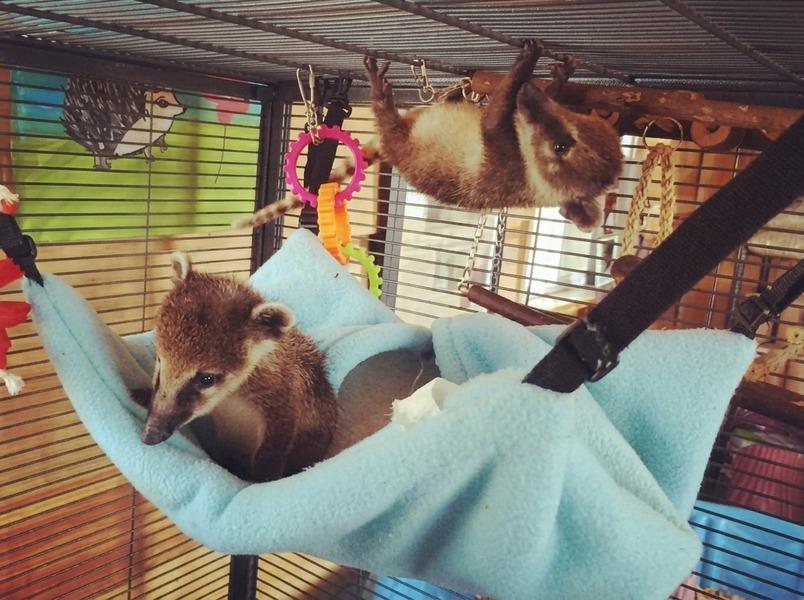
Bush babies are among the most fascinating small primates in the world. Known for their enormous eyes, soft fur, and remarkable jumping abilities, these animals have attracted attention from wildlife enthusiasts and people interested in unusual animal species. Their curious nature and distinctive appearance make them memorable, but understanding their natural behavior is essential before considering them as companion animals.
If you want to learn more here about bush babies, it is helpful to begin with their natural habitat, feeding habits, social behavior, and daily care requirements. Pretyexotic provides information for people exploring exotic animals, helping readers understand what makes bush babies unique and why responsible ownership requires careful preparation.
What Is a Bush Baby?
A bush baby, also known as a galago, is a small nocturnal primate native to sub-Saharan Africa. These animals belong to the primate family Galagidae and are closely related to other primates, including lemurs and lorises.
Bush babies are named after their distinctive calls, which can sound similar to the cries of a human infant. Their large eyes help them see in low-light conditions, while their sensitive ears allow them to detect sounds in their surroundings.
Different species of bush babies vary in size, appearance, and behavior. Some have grayish fur, while others display brown or reddish shades. Their long tails help them maintain balance as they move through trees, and their powerful hind legs allow them to leap between branches.
Natural Habitat and Lifestyle
Bush babies primarily inhabit forests, woodlands, and areas with dense vegetation. They are particularly associated with African environments where trees provide shelter, food, and opportunities for climbing.
Most species spend much of their time in trees. They use branches and natural hiding places to rest during daylight hours, emerging after sunset to search for food and explore their surroundings.
Their nocturnal lifestyle influences almost every aspect of their behavior. Bush babies are generally most active during the evening and night, when they communicate, forage, and move through their territory.
This natural schedule is important to understand because an animal that is active at night may not fit comfortably into a household where people expect daytime interaction.
Physical Characteristics and Interesting Facts
One of the most recognizable features of a bush baby is its large, forward-facing eyes. These eyes are adapted for night vision, helping the animal navigate dark environments and locate food.
Bush babies also have long fingers and toes that help them grip branches. Their strong hind legs allow them to make impressive jumps, while their tails provide balance during movement.
Another interesting feature is their vocal communication. Bush babies use different calls to communicate with other members of their species. These sounds may serve different purposes, including maintaining contact, expressing alarm, or establishing territory.
Their sense of smell is also important. Some species use scent marking to communicate information about their territory and social relationships.
Although bush babies may appear similar to small monkeys, their behavior and physical characteristics are quite different from those of many commonly recognized primates.
What Do Bush Babies Eat?
Bush babies have varied diets that depend on their species, habitat, and seasonal food availability.
In the wild, many species consume insects, tree gum, fruit, and other naturally available foods. Some rely heavily on insects, while others obtain a significant portion of their nutrition from plant materials.
Their feeding habits help them survive in different environments. Insects provide protein, while fruits and tree gum supply additional nutrients and energy.
For animals kept in professional care, nutrition must be carefully planned. A suitable diet should reflect the needs of the particular species rather than relying on a simple mixture of fruit or household foods.
Anyone researching bush babies should understand that specialized dietary requirements can make their care more complicated than that of conventional companion animals.
Can Bush Babies Be Kept as Pets?
Bush babies are sometimes discussed as exotic pets because of their small size and unusual appearance. However, being small does not automatically make an animal easy to care for.
These primates have specialized physical, behavioral, and environmental needs. Their nocturnal activity, climbing abilities, and natural instincts require an appropriate living environment.
They also need opportunities to express natural behaviors, including climbing, exploring, and searching for food. A small enclosure or an ordinary household setup may not provide sufficient space or stimulation.
Bush babies are wild animals, and their needs should always be considered before any ownership decision. Their care requires a long-term commitment, access to knowledgeable veterinary professionals, and an understanding of applicable wildlife regulations.
Housing and Environmental Needs
A suitable environment for a bush baby should provide plenty of vertical space, climbing structures, secure resting areas, and opportunities for exploration.
Their enclosure must be designed to prevent escapes while allowing natural movement. Branches, ropes, platforms, and sheltered sleeping areas can help create a more suitable environment when designed for the animal's particular needs.
Temperature, ventilation, cleanliness, and lighting also require attention. Since bush babies are nocturnal, they need a quiet resting area during the day and an environment that supports their natural activity patterns.
Environmental enrichment is equally important. Providing appropriate opportunities for climbing, searching for food, and exploring can support physical activity and mental stimulation.
Responsible Ownership and Legal Considerations
Before considering a bush baby, prospective owners should research the laws governing exotic animal ownership in their location.
Regulations differ between countries, states, and local jurisdictions. Some places prohibit private ownership of certain primates, while others require permits or specific housing standards.
It is also important to identify an experienced exotic animal veterinarian before making any commitment. Regular veterinary care, appropriate nutrition, and suitable housing are essential parts of responsible animal management.
The origin of an animal matters as well. Anyone considering an exotic animal should prioritize lawful, transparent, and responsible sources that can provide reliable information about the animal's history and care requirements.
Final Thoughts
Bush babies are remarkable primates with unique physical characteristics, fascinating nighttime behavior, and specialized environmental needs. Learning about their natural lifestyle helps people appreciate these animals beyond their unusual appearance.
Pretyexotic offers information for readers interested in exploring exotic animals and understanding their characteristics. Whether you are researching bush baby behavior, habitat, or care requirements, responsible preparation and accurate information should always come first.
Understanding these animals is the first step toward appreciating their place in the natural world and recognizing the commitment involved in caring for them.

 Polish
 English
 Arabic
 French
 Spanish
 Portuguese
 Turkish
 Dutch
 Italiano
 Russian
 Romaian
 Portuguese (Brazil)
 Greek