
Male Breast Reduction in Riyadh: From Initial Assessment Through Recovery
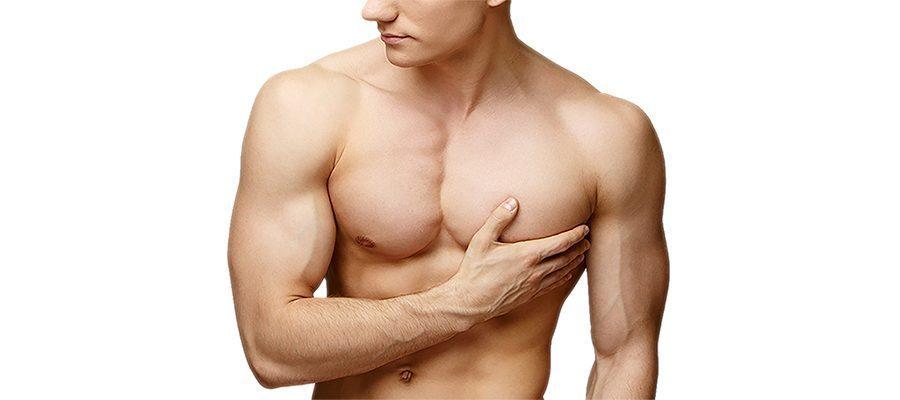
Male breast enlargement is a concern that can affect physical appearance, clothing choices, confidence, and everyday comfort. For many men, enlarged breast tissue is not simply related to body weight but may involve hormonal changes, glandular development, or a combination of different factors. Understanding the reasons behind this condition is an important first step toward choosing an appropriate treatment.
Male breast reduction is a surgical procedure designed to improve chest proportions by addressing excess glandular tissue, fatty deposits, or both. With modern surgical techniques, treatment planning can be adapted to individual chest anatomy and aesthetic goals. Gynecomastia Surgery in Riyadh is an option for men seeking a more balanced chest appearance through a personalized surgical approach.
Understanding Male Breast Enlargement and Its Causes
Gynecomastia refers to the enlargement of male breast tissue, which can occur on one or both sides of the chest. It develops when the balance between estrogen and testosterone is altered, allowing breast gland tissue to grow. Although hormonal changes are a common contributing factor, several other influences may also play a role.
The condition can appear during adolescence, adulthood, or later life. In some individuals, the enlargement improves naturally, while in others, it persists and becomes a long-term concern. Understanding the underlying cause helps determine whether observation, medical evaluation, lifestyle adjustments, or surgery may be appropriate.
The Difference Between Gynecomastia and Chest Fat
Not every case of an enlarged male chest is caused by gynecomastia. Some men develop excess chest fat due to overall weight gain, while others experience actual enlargement of the glandular tissue beneath the nipple.
Pseudogynecomastia, sometimes called chest fat enlargement, primarily involves fatty deposits rather than developed breast glands. True gynecomastia involves glandular tissue and may create a firmer area beneath the nipple. Some individuals have both conditions simultaneously.
Distinguishing between these concerns is important because the treatment approach may differ. Liposuction may help address excess fat, whereas glandular enlargement may require surgical tissue removal.
Common Factors Associated With Gynecomastia
Several factors can contribute to male breast enlargement. Hormonal fluctuations during puberty and ageing are among the recognized causes. Certain medications, underlying medical conditions, and changes in body composition may also influence breast tissue development.
In some cases, the cause cannot be identified immediately. A medical assessment can help investigate possible contributing factors and determine whether additional examinations are necessary before considering surgery.
Initial Assessment Before Male Breast Reduction in Riyadh
A detailed consultation is an essential part of planning male breast reduction. During this stage, the surgeon evaluates the chest, discusses the patient's concerns, and considers the most appropriate treatment options.
Men considering Gynecomastia Surgery in Riyadh should understand that treatment planning is not based solely on the amount of visible enlargement. Factors such as skin elasticity, nipple position, glandular development, fat distribution, and overall chest proportions can influence the surgical approach.
Reviewing Medical History and Personal Concerns
The initial assessment generally includes a discussion of medical history, current medications, previous procedures, and any symptoms associated with breast enlargement.
The surgeon may also ask when the enlargement first appeared and whether it has changed over time. Information about previous weight fluctuations, hormonal conditions, and medication use can help provide a clearer understanding of the situation.
Patients should openly communicate their expectations. Some may want to reduce fullness around the nipples, while others may be concerned about overall chest projection or uneven breast development.
Physical Examination and Chest Evaluation
A physical examination helps identify the amount and distribution of excess tissue. The surgeon evaluates whether the enlargement consists primarily of glandular tissue, fatty deposits, or a combination of both.
Skin quality is another important consideration. Men with good skin elasticity may experience better natural skin adaptation after tissue removal. However, significant skin laxity may require additional surgical considerations.
The examination also helps identify chest asymmetry and differences in nipple position, allowing the surgeon to develop a treatment plan that reflects the individual's anatomy.
Surgical Techniques Used for Male Breast Reduction
Male breast reduction can involve different surgical techniques depending on the patient's condition. The main objective is to reduce unwanted tissue while maintaining natural chest proportions and an appropriate nipple appearance.
The choice of technique depends on the type of enlargement, skin condition, tissue distribution, and desired outcome. Gynecomastia Surgery in Riyadh may involve liposuction, glandular excision, or a combination of both approaches.
Liposuction for Excess Chest Fat
Liposuction is commonly considered when chest enlargement is primarily caused by excess fatty deposits. The procedure involves inserting a thin cannula through small incisions to remove unwanted fat and improve chest contours.
It can help create a flatter and more proportionate appearance while maintaining the surrounding natural structures. Liposuction may be particularly suitable for men whose skin has sufficient elasticity to adapt to the reduced volume.
However, liposuction alone may not adequately address dense glandular tissue. This is why a careful assessment is necessary before selecting this technique.
Glandular Tissue Excision
When enlarged breast glands contribute significantly to chest fullness, surgical excision may be recommended. This approach involves removing excess glandular tissue through carefully planned incisions, often positioned around the edge of the areola.
The purpose is to reduce the firm tissue beneath the nipple and create a flatter chest profile. The incision placement depends on the amount of tissue requiring removal and the patient's individual anatomy.
In some cases, excision is combined with liposuction to address both glandular enlargement and surrounding fatty deposits.
Combining Different Surgical Approaches
Some men have both excess fat and enlarged glandular tissue. In these situations, combining liposuction with surgical excision may provide a more comprehensive correction.
This approach allows the surgeon to address different tissue components while considering the overall shape of the chest. The final treatment plan should be based on individual anatomical requirements rather than a single technique applied to every patient.
Preparing for Gynecomastia Surgery in Saudi Arabia
Preparation is an important part of the surgical process. Before the procedure, patients generally receive instructions regarding medications, smoking, fasting, and other health-related considerations.
A medical evaluation may be recommended to identify potential concerns that could affect surgery or recovery. Patients should disclose all medications, supplements, allergies, and relevant medical conditions.
Understanding Preoperative Instructions
Following preoperative guidance helps patients prepare for the procedure and reduce avoidable complications. Certain medications or supplements may need to be adjusted under medical supervision.
Smoking can affect circulation and wound healing, so patients may be advised to stop smoking before and after surgery. Maintaining a stable weight and following healthy lifestyle habits can also support the overall treatment process.
Patients should arrange suitable transportation and assistance for the initial recovery period, particularly when general anaesthesia is used.
What Happens During the Recovery Period?
Recovery after male breast reduction varies according to the surgical technique, extent of tissue removal, and individual healing response. Most patients experience temporary swelling, bruising, and tenderness following the procedure.
These effects generally improve gradually as the body heals. Following postoperative instructions is essential for supporting recovery and protecting the surgical results.
The Initial Days After Surgery
During the first few days, patients may experience discomfort, tightness, and swelling around the chest. The surgeon may recommend prescribed medication to manage discomfort and provide instructions for incision care.
A compression garment is often recommended to support the chest and help control swelling. Patients should wear it according to the surgeon's instructions.
Rest is important during this period, and strenuous physical activities should be avoided. Gentle walking may be encouraged when appropriate to support general circulation.
Returning to Everyday Activities
Many patients gradually return to light daily activities as their comfort improves. However, the timing depends on the surgical procedure and individual recovery progress.
Activities involving heavy lifting, intense exercise, or direct pressure on the chest should be avoided until the surgeon confirms that they can safely resume.
Follow-up appointments allow the surgeon to monitor healing, examine incision sites, and assess changes in chest appearance.
When Do Final Results Become Visible?
The chest may appear swollen immediately after surgery, making it difficult to judge the final outcome. As swelling decreases, the improved contours generally become more noticeable.
Initial improvements may appear during the first several weeks, although complete healing and tissue settling can take several months. Scar appearance also changes gradually over time.
The final result depends on factors such as surgical technique, skin elasticity, healing response, and postoperative care.
Benefits and Considerations of Male Breast Reduction
Male breast reduction can help address persistent chest enlargement and create a flatter, more proportionate appearance. For men who feel uncomfortable with their chest shape, the procedure may also improve confidence when wearing fitted clothing or participating in physical activities.
However, surgery is not suitable for everyone. Potential risks include bleeding, infection, scarring, changes in nipple sensation, asymmetry, contour irregularities, and fluid accumulation.
Patients should discuss these possibilities during consultation and understand that perfectly symmetrical results cannot be guaranteed.
Choosing an Appropriate Treatment Approach in Riyadh
Selecting an appropriate treatment approach requires careful consideration of medical needs, personal expectations, and surgical expertise. Patients should look for qualified plastic surgeons with relevant experience in male breast reduction and a clear understanding of chest anatomy.
Understanding the available techniques, recovery requirements, and potential complications can help individuals make informed decisions.
Gynecomastia Surgery in Riyadh should be approached as an individualized procedure rather than a standard cosmetic treatment. A thorough assessment and realistic expectations are important for achieving a result that complements the patient's natural body proportions.
Frequently Asked Questions
1. What Is Gynecomastia Surgery in Riyadh?
Gynecomastia surgery is a male breast reduction procedure designed to remove excess glandular tissue, fatty deposits, or both. The objective is to create a flatter and more balanced chest appearance based on individual anatomy.
2. Who Is a Suitable Candidate for Male Breast Reduction in Riyadh?
Men with persistent breast enlargement who are in generally good health may be suitable candidates. A surgeon evaluates the underlying cause, skin condition, medical history, and personal expectations before recommending surgery.
3. Does Gynecomastia Surgery in Saudi Arabia Involve Liposuction?
Liposuction may be used when excess fatty tissue contributes to chest enlargement. If glandular tissue is also present, surgical excision may be necessary. Some procedures combine both techniques.
4. How Long Does Recovery Take After Gynecomastia Surgery?
Recovery varies between individuals. Many patients gradually resume light activities within days, while strenuous exercise and heavy lifting may require several weeks of restriction. Complete healing can take several months.
5. Are the Results of Male Breast Reduction Permanent?
The removal of glandular tissue and fat can provide long-lasting improvements. However, significant weight changes, hormonal fluctuations, certain medications, or other medical factors may influence chest appearance over time.
6. Is Gynecomastia Surgery in Riyadh Suitable for Uneven Chest Enlargement?
Yes, surgery may help improve chest asymmetry by addressing differences in fatty deposits and glandular tissue. However, the surgical plan depends on the degree of asymmetry, skin quality, and individual anatomy.
Conclusion
Male breast reduction is an option for men experiencing persistent chest enlargement who want to improve their chest proportions and physical appearance. Understanding the causes of gynecomastia, available surgical techniques, preparation requirements, and recovery expectations can make the treatment journey easier to navigate.
From the initial consultation to postoperative follow-up, every stage plays an important role in achieving an appropriate outcome. Gynecomastia Surgery in Riyadh offers an individualized approach to male chest contouring, with treatment decisions based on anatomy, medical suitability, and personal goals. For individuals exploring available treatment options, Enfield Royal Clinic Saudi can be considered as a point of contact for learning more about male breast reduction and arranging a professional consultation.
 Spanish
 Polish
 English
 Arabic
 French
 Portuguese
 Deutsch
 Turkish
 Dutch
 Italiano
 Russian
 Romaian
 Portuguese (Brazil)
 Greek