
Anaheim Home Construction: Managing Costs, Quality, and Timelines
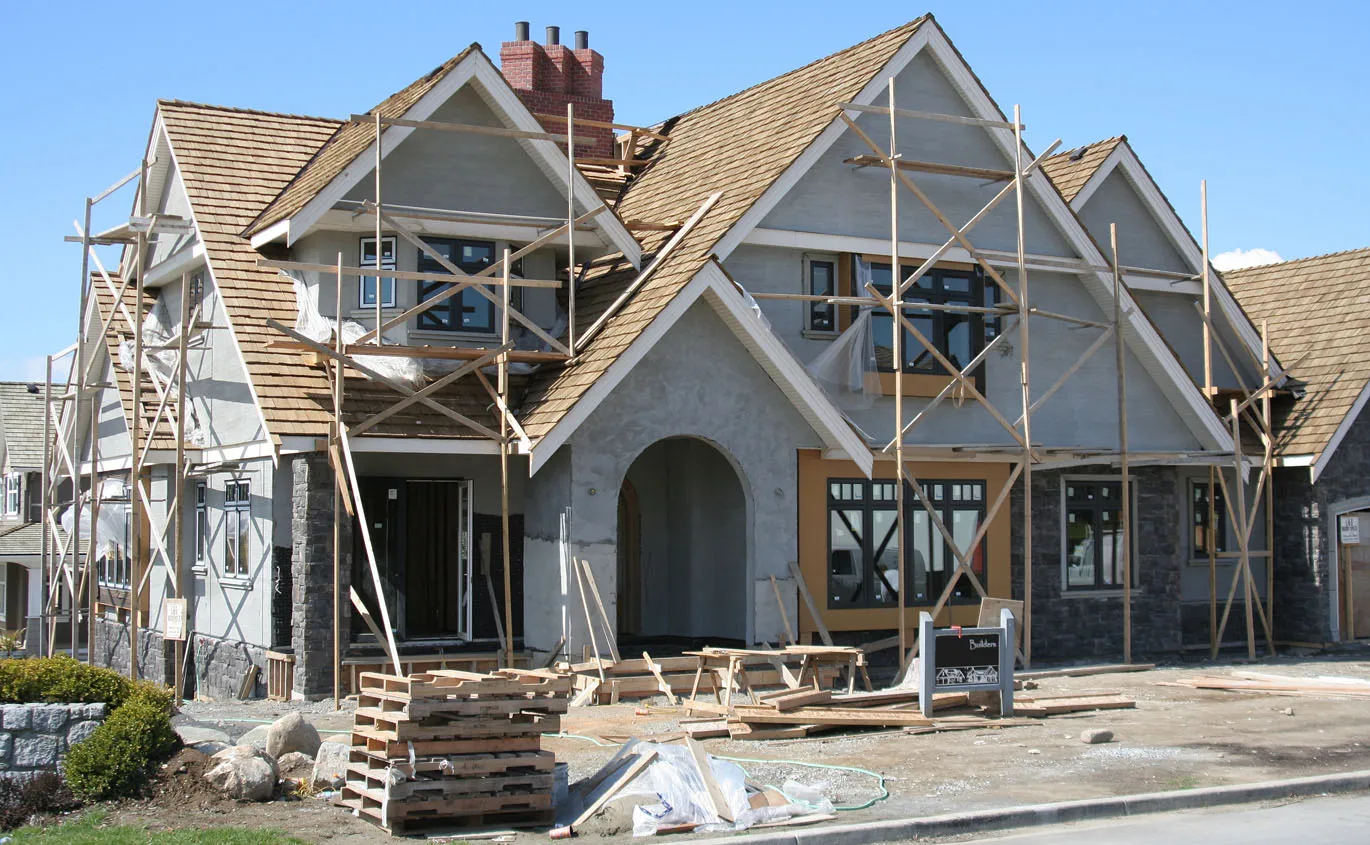
Managing a residential construction project requires balancing three important considerations: cost, quality, and time. Homeowners naturally want durable materials, dependable workmanship, and a reasonable completion schedule. Achieving these goals requires clear expectations and a practical approach to construction management.
A general contractor Anaheim may coordinate different parts of a project, but property owners should understand how budgets, schedules, materials, and quality standards influence the final result.
Understanding these factors before construction begins can make the process more predictable.
Why Detailed Project Planning Matters
Construction planning establishes the foundation for nearly every decision made during a project.
Without a defined scope, homeowners may encounter unclear estimates, conflicting expectations, and repeated changes.
The planning process should identify the work required, materials to be installed, expected project stages, and responsibilities of everyone involved.
Defining the Scope of Work
A scope of work describes the construction activities included in an agreement.
For a kitchen renovation, this might include demolition, cabinet installation, countertop replacement, electrical adjustments, plumbing work, flooring, painting, and cleanup.
Each activity should be described clearly enough that both parties understand what completion means.
Homeowners comparing general contractors in Anaheim CA should request similarly detailed scopes when reviewing estimates.
Understanding Construction Cost Factors
Construction costs vary according to project complexity, building conditions, labor requirements, material selections, and site accessibility.
A basic interior renovation may involve relatively straightforward work, while structural modifications can require engineering, specialized labor, and additional inspections.
Labor and Material Expenses
Labor costs depend on the number of trades involved and the time needed to complete each activity.
Material expenses depend on quality, quantity, availability, transportation, and installation requirements.
Homeowners should avoid choosing materials based exclusively on purchase price. Some inexpensive products require more frequent maintenance or replacement.
Permit and Administrative Expenses
Depending on the project, costs may include design services, engineering documents, permits, inspections, and other administrative requirements.
These expenses should be considered when preparing the initial budget.
Building a Realistic Project Schedule
Construction schedules help organize activities and establish expectations about progress.
A schedule should account for the time required to prepare the site, obtain materials, complete installations, and arrange inspections.
Anaheim general contracting services often involve coordinating several trades whose work depends on previous stages being completed.
Understanding Project Dependencies
For example, framing generally needs to be completed before many electrical and plumbing installations can be finalized.
Insulation and drywall usually follow the completion and inspection of required rough-in work.
Flooring, cabinetry, painting, and fixture installations must also be coordinated according to the project's design.
Managing Material Delays
Some construction materials have longer ordering or delivery periods than others.
Custom cabinetry, specialized windows, certain fixtures, and selected finishing products may require advance planning.
Ordering important materials early can reduce scheduling disruptions.
Maintaining Construction Quality
Quality should be evaluated through materials, installation practices, workmanship, and compliance with applicable requirements.
A finished surface may look attractive while concealing problems beneath it, so homeowners should understand the importance of inspecting work at appropriate stages.
Reviewing Materials Before Installation
Materials should match the specifications in the written agreement.
Homeowners can request product information, manufacturer documentation, and installation instructions where appropriate.
Substitutions should be discussed and approved before installation.
Monitoring Workmanship
Proper workmanship involves following appropriate installation methods and applicable building requirements.
For example, tile installations depend on suitable substrate preparation, waterproofing where required, and correct material placement.
Similarly, flooring performance can be affected by moisture conditions and subfloor preparation.
Handling Unexpected Construction Problems
Unexpected conditions are common in renovation projects, particularly in older buildings.
Opening walls or removing existing materials may reveal water damage, outdated wiring, deteriorated framing, or plumbing deficiencies.
A construction company in Anaheim should explain how newly discovered issues will be evaluated and documented.
Using Written Change Orders
A change order should describe the additional or modified work, associated cost, and potential scheduling effect.
Homeowners should review and approve changes before additional work proceeds, except where immediate action is necessary to address an urgent safety issue.
Written documentation helps reduce disagreements about project responsibilities.
Improving Energy Efficiency During Construction
Construction and renovation projects provide opportunities to improve building performance.
Insulation, air sealing, efficient windows, appropriate ventilation, and suitable heating and cooling equipment can contribute to better indoor comfort.
Evaluating Heating and Cooling Systems
Equipment selection should account for the property's size, layout, insulation, and other relevant conditions.
Correct system sizing and installation are important because an improperly selected system may perform inefficiently.
Choosing Durable Building Materials
Materials should be selected according to climate exposure, maintenance requirements, and intended use.
Exterior finishes must withstand environmental conditions, while interior materials should suit the activities taking place in each room.
Reviewing Contracts and Contractor Qualifications
Before signing an agreement, homeowners should verify the contractor's license, insurance, relevant experience, and references.
The contract should explain payment terms, responsibilities, exclusions, warranty information, and the process for handling changes.
A residential construction contractor should also be able to explain how subcontractors, materials, and scheduling will be coordinated.
When evaluating a construction and remodeling company, homeowners may encounter names such as GAA Construction Corp. or GAA Construction. These names should not replace independent checks of licensing, insurance, relevant experience, and project documentation.
Final Thoughts
Successful construction depends on thoughtful preparation, responsible coordination, and informed decisions at every stage. Property owners who understand budgets, permits, materials, timelines, and contractor responsibilities are better positioned to manage residential improvements.
Choosing a general contractor Anaheim requires evaluating experience, licensing, communication, written estimates, and project management practices. For additional information about residential construction, project planning, or professional assistance, homeowners can contact a qualified construction professional to discuss their specific requirements. Taking time to review these factors before signing an agreement can help create a more organized construction experience and support the long-term quality of the finished property.

 Polish
 English
 Arabic
 French
 Spanish
 Portuguese
 Deutsch
 Turkish
 Dutch
 Italiano
 Russian
 Romaian
 Portuguese (Brazil)