
What Is Driving China's Automotive Battery Industry Growth?
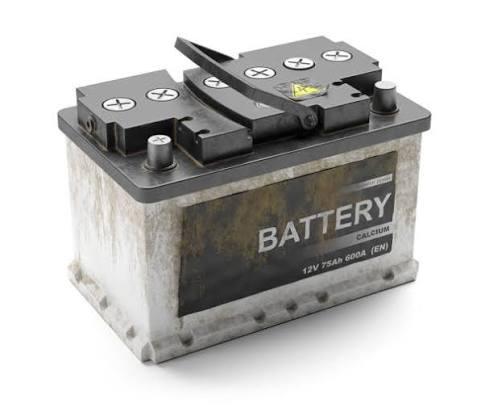
Automotive batteries play a fundamental role in powering vehicle starting systems, lighting, ignition, electronic accessories, and other essential functions. Lead-acid technology continues to maintain its relevance across passenger and commercial vehicles, supported by established production capabilities, extensive recycling infrastructure, and its suitability for auxiliary electrical applications. Meanwhile, technological developments and changing vehicle configurations are influencing battery requirements across China's automotive sector.
According to a comprehensive study by Markntel Advisor, the China Automotive Lead-Acid Battery Market is valued at USD 5.88 billion in 2026 and is expected to reach USD 11.29 billion by 2032, expanding at a CAGR of 11.49% during 2026–2032. Passenger Cars represent the leading vehicle-type segment. The China automotive lead-acid battery industry report provides further insights into technological developments, applications, and industry dynamics.
Key Highlights
-
Industry valuation is projected to increase from USD 5.88 billion in 2026 to USD 11.29 billion by 2032.
-
The industry is anticipated to register a CAGR of 11.49% between 2026 and 2032.
-
Passenger Cars account for the leading vehicle-type segment.
-
Flooded, EFB, and AGM batteries serve different automotive electrical requirements.
-
Recycling infrastructure and environmental regulations remain important to long-term industry development.
Why Do Passenger Cars Represent a Leading Application?
Passenger vehicles account for a significant share of automotive battery applications in China, making them an important contributor to industry demand. These vehicles depend on batteries to support engine starting, electrical accessories, lighting, and other onboard functions. The widespread presence of passenger cars creates continuing requirements for both original equipment and replacement batteries.
Furthermore, the increasing integration of electronic features into modern vehicles is raising the importance of reliable low-voltage electrical systems. Established manufacturing networks and accessible supply chains also support the adoption of lead-acid batteries across passenger vehicle applications.
How Are Different Battery Technologies Meeting Vehicle Requirements?
China's automotive lead-acid battery industry includes several technology categories designed to accommodate varying vehicle configurations and electrical demands. The principal types include flooded lead-acid batteries, enhanced flooded batteries (EFB), absorbent glass mat (AGM) batteries, and other lead-acid configurations.
Each technology offers different operating characteristics. Conventional flooded batteries serve established automotive applications, whereas EFB and AGM designs provide enhanced capabilities for vehicles experiencing more demanding cycling conditions and electrical loads. Battery selection generally depends on vehicle architecture, charging-system compatibility, operating environments, and onboard power consumption.
How Are Start-Stop Systems Changing Battery Requirements?
Automakers are increasingly incorporating start-stop technology into vehicle designs to limit unnecessary engine idling. These systems automatically switch off the engine under suitable conditions and restart it when required, creating more frequent starting cycles during everyday driving.
Such operating patterns can increase the cycling demands placed on automotive batteries. Consequently, battery technologies with improved charge acceptance, cycling endurance, and durability become important for supporting consistent vehicle operation. EFB and AGM configurations offer alternatives for applications where conventional flooded batteries may not adequately address the additional electrical demands.
Why Does Recycling Remain Important for Lead-Acid Batteries?
One of the established characteristics of lead-acid technology is its well-developed recycling ecosystem. Collection, processing, and material recovery form important parts of the industry's operational structure, supporting resource utilization and responsible end-of-life management.
China's environmental authorities have highlighted the need to strengthen waste battery collection and treatment infrastructure. The Ministry of Ecology and Environment's battery recycling guidance emphasizes improving collection and processing systems for waste lead-acid batteries while reducing environmental hazards associated with improper disposal and treatment.
How Is Regulatory Supervision Influencing Battery Recovery?
Environmental compliance, material traceability, and responsible waste management are becoming increasingly important considerations throughout China's battery recovery ecosystem. Regulatory measures aim to improve collection procedures, strengthen authorized treatment channels, and limit environmentally harmful processing activities.
Government oversight also extends to irregular collection, dismantling, and recycling operations. In this regard, the Ministry of Industry and Information Technology's 2026 enforcement initiative focuses on addressing unauthorized battery collection and dismantling practices alongside associated environmental violations.
What Does Vehicle Electrification Mean for Lead-Acid Battery Applications?
The growing adoption of electrified vehicles is transforming automotive electrical architectures and influencing the distribution of battery applications. However, lead-acid batteries continue to perform auxiliary power functions across various vehicle configurations, including applications that require conventional low-voltage electrical support.
It is important to distinguish between high-voltage batteries responsible for vehicle propulsion and low-voltage batteries that operate auxiliary systems. As vehicle electronics become more advanced, manufacturers increasingly need to coordinate different battery technologies according to their specific electrical functions and performance requirements.
Which Factors Influence Automotive Battery Performance?
Automotive battery reliability depends on several operating and environmental conditions. Temperature variations, charging frequency, electrical consumption, driving patterns, and maintenance practices can influence overall battery performance and service life.
Manufacturers are therefore concentrating on improving durability, charge acceptance, cycling capability, and resistance to demanding operating conditions. EFB and AGM technologies provide additional options for vehicles with elevated electrical requirements, particularly those operating with frequent start-stop cycles or greater accessory loads.
How Does China's Manufacturing Network Support Industry Development?
China's extensive automotive manufacturing infrastructure provides an established foundation for battery production, component procurement, distribution, and recycling activities. The industry's supply chain connects multiple participants, including lead processors, separator manufacturers, battery case suppliers, electrical component producers, automotive manufacturers, and recycling companies.
Effective coordination across these interconnected activities can influence production efficiency, product availability, and distribution capabilities. An established manufacturing base also supports the supply of replacement batteries for different vehicle categories and automotive applications.
What Will Shape the Industry's Development Through 2032?
The future trajectory of China's automotive lead-acid battery industry will depend on vehicle production trends, evolving electrical requirements, technological improvements, and the development of recycling infrastructure. Environmental regulations and responsible resource recovery practices are also expected to remain important considerations for industry participants.
As automotive manufacturers adapt to increasingly sophisticated vehicle architectures, lead-acid batteries are likely to retain their relevance in applications requiring dependable auxiliary electrical power. Continued improvements in battery durability, charging performance, manufacturing efficiency, and circular material utilization can contribute to the industry's development through 2032.

 Polish
 English
 Arabic
 French
 Spanish
 Portuguese
 Deutsch
 Dutch
 Italiano
 Russian
 Romaian
 Portuguese (Brazil)
 Greek