
Cooked Doner Kebab Production A Guide to Commercial Food Manufacturing
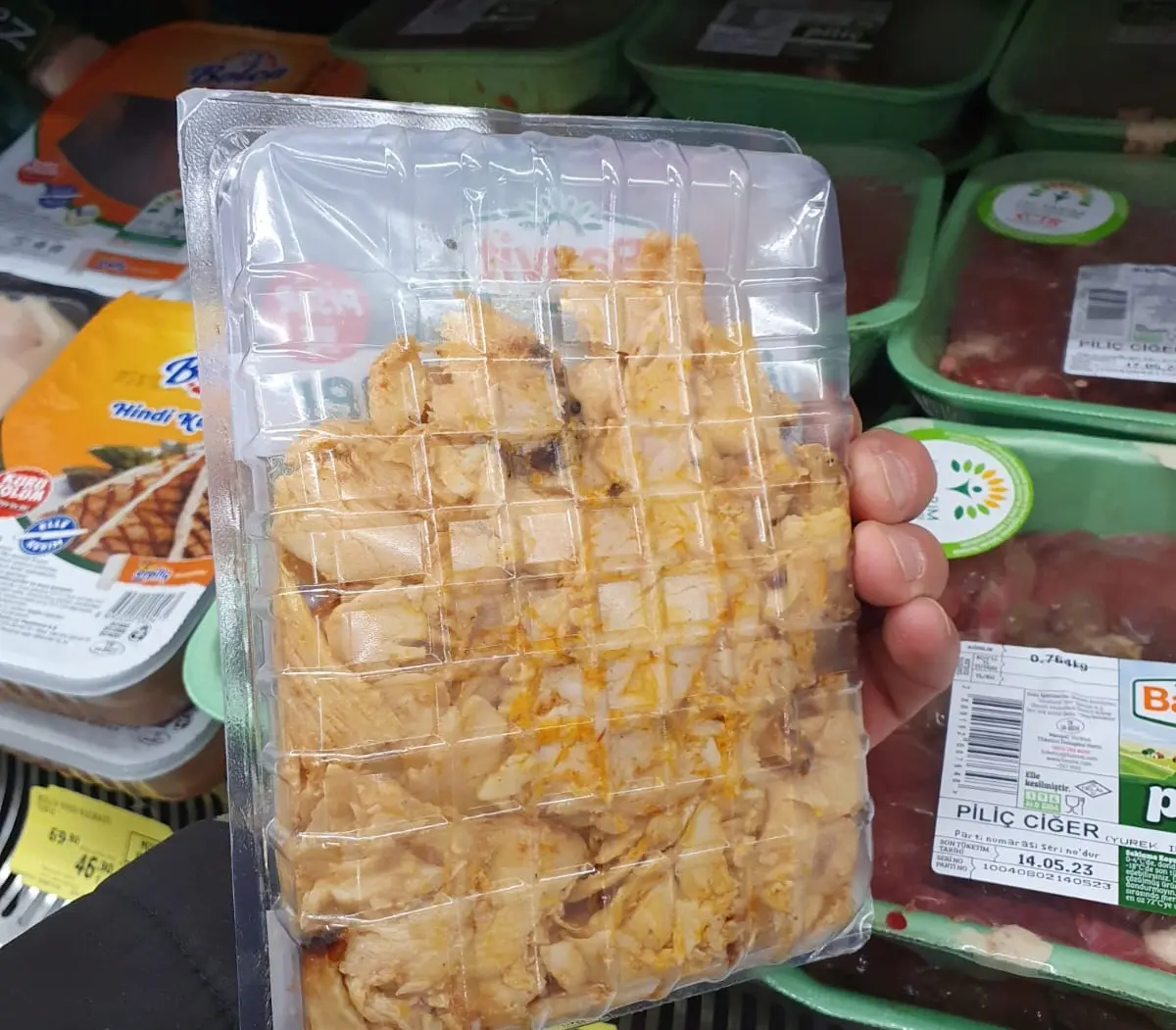
Expanding an existing food manufacturing facility requires the right production technology, equipment and operational planning. Professional cooked doner kebab production systems can help businesses develop efficient manufacturing processes for supplying restaurants, food distributors and commercial customers. Similarly, modern cooked shawarma productıon lines can support consistent preparation, cooking, slicing and packaging within an organised production environment. With specialist support covering design, installation and staff training, existing facilities can upgrade their operations without overlooking important workflow and food safety requirements. Automated robotic slicing technology can also offer additional production capacity, with systems designed to slice up to 600 kg in eight hours under suitable operating conditions.
Understanding Cooked Doner Kebab Production
Cooked doner kebab production involves preparing and processing doner meat through controlled manufacturing stages before the finished product is packed for commercial use. Unlike facilities focused only on preparing raw or frozen doner products, cooked production lines require additional attention to cooking, temperature management, handling and post-cooking operations.
A typical production process may involve:
-
Receiving and inspecting prepared doner products
-
Organising products for the cooking stage
-
Controlled cooking using suitable industrial equipment
-
Managing safe handling after cooking
-
Automated or manual slicing
-
Portioning and packaging
-
Temperature-controlled storage and distribution
The precise workflow depends on the product specification, production capacity and applicable food safety requirements. A properly designed line should connect these stages while supporting hygienic operations and consistent product quality.
Modern Cooked Shawarma Production
Shawarma is widely used in restaurants, takeaway businesses and food service operations. As commercial demand grows, manufacturers may look for ways to produce cooked shawarma products at a larger scale.
A dedicated cooked shawarma production line can integrate cooking equipment, robotic slicing systems and packaging machinery into one coordinated process. This can help existing food facilities develop a more organised approach to commercial production.
Important planning considerations include the type of meat being processed, product dimensions, cooking requirements, slicing specifications and final packaging format.
The production system should be designed around the intended product rather than relying on a generic equipment arrangement. This helps ensure that machinery, workflow and operational procedures are suitable for the facility's requirements.
Automated Robotic Doner and Shawarma Slicing
Slicing is an important stage in commercial doner and shawarma manufacturing. Consistent slicing can influence product presentation, portion sizes and the efficiency of downstream packaging operations.
Robotic slicing technology can help automate this stage by reducing the need for repetitive manual handling. Depending on the system configuration and operating conditions, robotic equipment can support controlled slicing and higher production volumes.
A system with a stated capacity of up to 600 kg in eight hours can provide a useful benchmark when evaluating production requirements. However, actual output may vary according to product dimensions, cooking conditions, slicing thickness, equipment configuration, operator handling and production interruptions.
Benefits of Automated Slicing Systems
Consistent slicing: Automated equipment can help maintain more uniform slicing specifications when correctly configured.
Production efficiency: Robotics can support continuous processing and reduce repetitive manual tasks.
Workforce planning: Automation can change how employees are allocated across production stages.
Operational control: Integrated equipment can help businesses establish more structured processing procedures.
Scalability: Suitable systems can support facilities looking to increase their production capacity.
Automation should complement a properly designed food safety and quality management system. Equipment must also be cleaned, maintained and operated according to manufacturer instructions and applicable regulations.
Upgrading Existing Food Production Facilities
Not every business needs to construct a completely new factory to increase its manufacturing capabilities. Existing food processing facilities may be able to integrate additional cooking, slicing or packaging equipment into their current operations.
However, successful integration requires an assessment of the available space, existing machinery, utilities and production workflow.
Before installation, several factors should be reviewed:
-
Available floor space and equipment access
-
Electrical supply and other utility requirements
-
Cooking and cooling capacity
-
Refrigeration and storage arrangements
-
Staff movement and hygiene zones
-
Packaging and dispatch requirements
-
Equipment maintenance and cleaning access
An assessment can help identify potential limitations before installation begins. It can also establish whether the existing facility needs modifications to accommodate the proposed production line.
Production Line Design and Installation
The design stage determines how equipment and production areas will work together. A suitable layout should support logical product movement, minimise unnecessary handling and provide sufficient access for cleaning and maintenance.
Installation requires coordination between equipment suppliers, technical specialists and the facility's management team. Machinery should be positioned and connected according to its specifications, with appropriate safety and operational checks completed before production starts.
Commissioning is another important stage. It helps verify that the equipment operates as intended and that the different production stages work together effectively.
A well-coordinated installation process can help businesses prepare their upgraded facilities for commercial operations.
The Importance of Staff Training
Modern production equipment still requires knowledgeable operators. Employees should understand how to use machinery safely, monitor production and follow established cleaning procedures.
Training may cover:
-
Equipment operation and basic controls
-
Robotic slicing procedures
-
Production workflow and handling
-
Hygiene and sanitation requirements
-
Routine inspection and maintenance
-
Workplace safety procedures
-
Quality checks and production records
Training should be specific to the installed machinery and the responsibilities of each employee. Clear operating instructions can help support consistent performance and reduce avoidable operational mistakes.
Food Safety and Quality Management
Cooked meat processing requires careful control of food safety throughout the production process. Cooking, cooling, slicing, packaging and storage must follow the applicable regulatory requirements and validated procedures for the product.
Facilities should establish suitable temperature monitoring, cleaning schedules, traceability systems and cross-contamination controls. Post-cooking handling deserves particular attention because cooked products can be exposed to contamination if hygienic procedures are not maintained.
Packaging should protect the finished product and provide accurate information, including ingredient, allergen, storage and date details as required by local regulations.
A food safety professional should review the proposed process to ensure that the production line meets the relevant requirements in its operating location.
Why Professional Production Line Consultancy Matters
Designing and installing a cooked doner or shawarma production line involves several technical decisions. Equipment selection, layout planning, automation and staff training need to work together.
Professional consultancy can help existing facilities assess their requirements and plan suitable upgrades. Support may include reviewing current production operations, developing equipment layouts, coordinating installation and preparing staff for the new system.
This structured approach can help businesses identify practical improvements while considering their available space, production goals and investment budget.
Conclusion
Modern cooked doner kebab and shawarma production lines can help existing food facilities develop more organised and efficient manufacturing operations. From cooking and automated slicing to packaging, installation and staff training, every stage should be planned around the product and facility requirements. Robotic slicing systems offering a stated capacity of up to 600 kg in eight hours may provide an additional opportunity for automation, subject to operating conditions. With the right design and technical support, businesses can upgrade their facilities and prepare for changing commercial production demands.

 Polish
 English
 Arabic
 French
 Spanish
 Portuguese
 Deutsch
 Dutch
 Italiano
 Russian
 Romaian
 Portuguese (Brazil)
 Greek