
How Does Coastal Weather Affect Concrete in Panama City?
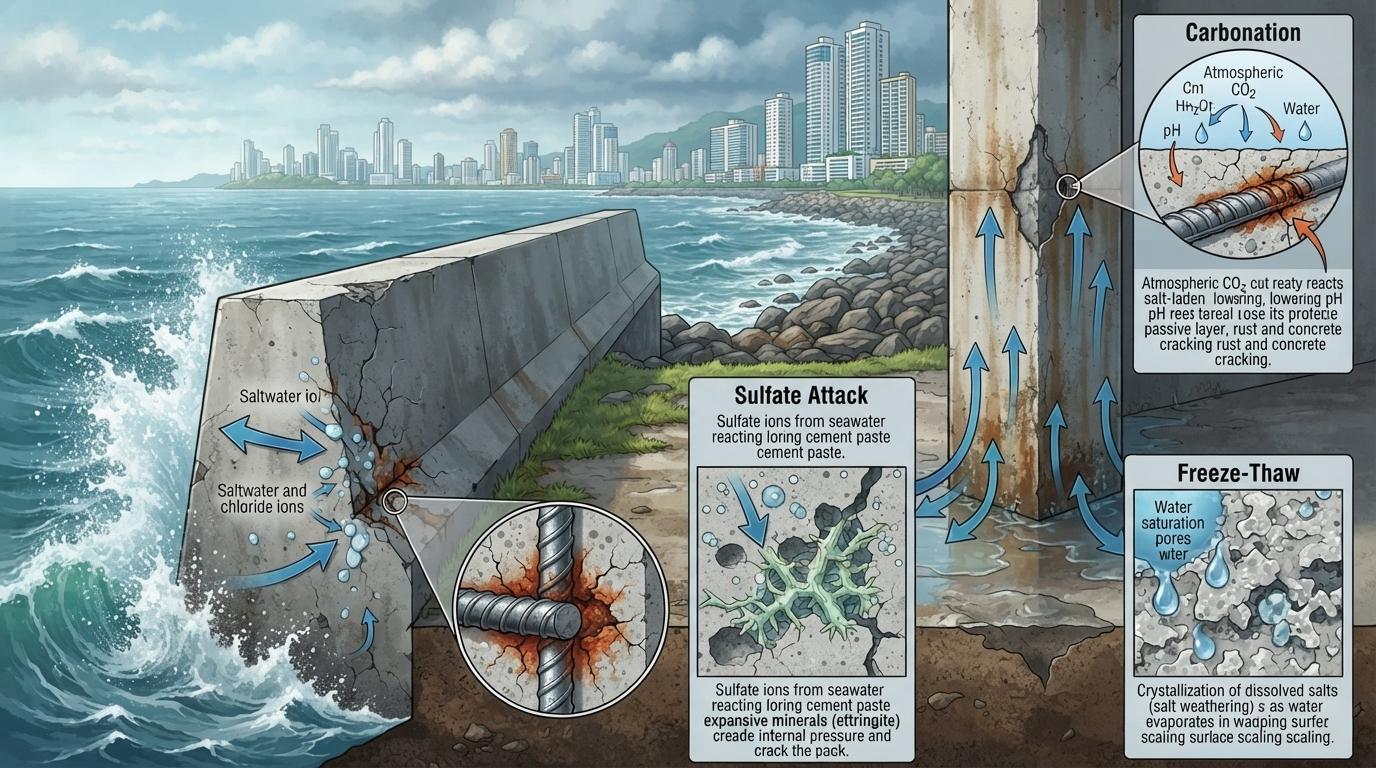
Living near the coast has many perks. You get fresh air, warm days, and lovely views. But coastal weather can be hard on your home. Concrete driveways, patios, walkways, and slabs face heat, rain, wind, and salt air. These things can slowly wear down concrete. Small issues may grow if you do not spot them early.
For homeowners in Panama City, FL, weather care is an important part of home upkeep. Heavy rain, high humidity, and salty air can affect outdoor surfaces. Good Masonry Services Panama City FL can help find signs of damage and keep walls and other structures in good shape. With the right care, you can help your concrete last longer and avoid some costly repairs.
How Does Coastal Weather Affect Concrete?
Coastal weather can affect concrete in many ways. The mix of heat, rain, salt, and wind can put stress on outdoor surfaces. These changes may not cause damage at once. But over time, they can lead to cracks, stains, and weak spots.
Concrete is strong, but it is not free from wear. It has tiny pores that can let water enter. When salt and water get inside, they may affect the surface and the steel inside some concrete parts.
Concrete Services Panama City FL
The best way to protect concrete is to know what causes damage. Regular checks can help you spot small issues. Quick care may also help stop them from getting worse.
1. Heavy Rain Can Weaken Concrete Areas
Panama City gets periods of heavy rain. Too much water near concrete can cause problems.
Water may enter small cracks and weak spots. It can also wash away soil near driveways and slabs. When the soil moves, the concrete above it may lose support.
You may see these signs after heavy rain:
-
Small pools of water on concrete.
-
Soil loss near the slab.
-
New cracks along the edges.
-
Areas that feel loose or uneven.
-
Water marks near the base of walls.
Check your yard after a storm. Make sure water flows away from your home. Good drainage can help protect concrete from water damage.
2. Salt Air Can Wear Down Concrete
Homes near the coast face salt in the air. Wind can carry tiny salt drops onto outdoor surfaces. Salt may also enter concrete through rain or sea spray.
Over time, salt can cause surface wear. It may also harm steel inside some types of concrete. This can lead to rust and cracks.
Salt damage may show up as:
-
White marks on the surface.
-
Small chips along the edges.
-
Rough or weak spots.
-
Cracks near metal parts.
-
Rust stains on concrete.
Wash outdoor concrete with clean water when needed. Use a gentle method. Avoid harsh tools that may damage the surface.
3. High Humidity Can Keep Concrete Damp
Panama City has warm and moist air. This can make outdoor concrete take longer to dry.
When a surface stays damp, dirt and stains may build up. Some areas may also grow mold or algae. This can make patios and walkways slippery.
Shaded areas may stay wet longer. Places near plants and walls can have the same issue.
Keep these areas clean. Trim plants that block airflow. Also fix leaks that keep the ground wet.
4. Heat Can Cause Concrete to Expand
Hot days can make concrete expand. When the temperature drops, it may shrink again.
These changes can happen many times each year. Over time, they may add stress to the surface.
Good concrete work uses joints to help manage this movement. These joints give the slab room to move.
If joints are missing or damaged, cracks may form. Check your driveway and patio for gaps. Keep the joints in good shape.
What Are the Common Signs of Weather Damage?
Weather damage does not always look serious at first. A small crack or stain may seem easy to ignore. But it can be a sign of a bigger issue.
A quick walk around your home can help. Look at driveways, patios, steps, and walkways. Check the edges and corners with care.
1. Cracks on the Surface
Cracks are one of the most common signs of concrete wear. Some form as concrete dries. Others may come from soil movement or heavy loads.
Look at the size and shape of each crack. Note if it gets longer or wider.
Thin cracks may need only close watch. Wide or growing cracks need a closer check. Ask a trained pro if you are not sure.
2. Flaking and Peeling Concrete
Concrete may start to lose its top layer. This is often called spalling.
You may see small flakes or pieces on the ground. The surface may also look rough or broken.
Water, salt, poor concrete work, and wear can all play a part. The cause should be found before the repair starts.
3. Uneven Driveways and Walkways
A concrete path should feel firm and level. If one part starts to sink, the soil below may have moved.
Heavy rain can wash soil away. Poor drainage can also soften the ground.
Uneven concrete can cause trips and falls. Keep people away from unsafe spots. Get the area checked before the damage grows.
4. White Stains on Concrete
White marks may form when water moves through concrete. As the water dries, it can leave salt on the surface.
This is often called efflorescence. It does not always mean the concrete is weak. But it can point to a water issue.
Find where the water comes from. Clean the area with a safe method. Ask a pro if the marks keep coming back.
5. Rust Marks and Broken Edges
Rust marks may appear where metal is close to the surface. Salt and water can speed up rust.
As metal rusts, it may grow in size. This can put stress on the concrete around it.
Look for orange or brown marks. Check if the nearby concrete has cracks or loose pieces. These signs need a closer look.
How Do Panama City Storms Affect Concrete?
Storms can bring strong winds and heavy rain. These weather events can put outdoor concrete under stress.
Water may collect around slabs and driveways. Wind may carry dirt and debris onto the surface. Falling tree limbs can also cause chips and cracks.
Heavy Rain and Soil Movement
Rain can change the soil under your concrete. Some soil may become soft when wet. Water may also wash soil away from the edges.
When the ground loses support, a slab may sink or crack.
Check the soil around your driveway. Look for low spots and signs of water flow. Fill small soil gaps with the right material when needed.
Strong Winds and Flying Debris
Storm winds can carry loose items across your yard. These items may hit patios, steps, and driveways.
Small objects may leave marks. Heavy objects can cause deeper damage.
Move loose yard items to a safe place before a storm. Keep outdoor areas clear when bad weather is near.
Water That Sits on Concrete
Water should not stay on concrete for long. Standing water may enter cracks and weak spots.
It can also leave stains and make the surface slippery. Over time, poor drainage may affect the soil below.
Check the slope of your driveway and patio. Water should flow away from your home. Ask a pro if water keeps pooling in one area.
How Can Homeowners Protect Concrete From Coastal Weather?
You cannot control the weather. But you can take simple steps to help protect your concrete.
Good care starts with regular checks. Clean surfaces and proper drainage can also make a big difference.
1. Keep Concrete Clean
Dirt, leaves, and salt can build up on outdoor surfaces. Clean them before they become hard to remove.
Use a soft brush and clean water. For tough stains, choose a product made for concrete.
Always read the product label. Test it on a small spot first. Avoid strong cleaners that may harm the surface.
2. Fix Small Cracks Early
Small cracks can let water enter. If water gets inside, it may cause more damage over time.
Check cracks every few months. Take photos so you can see if they change.
Use a repair product that suits the crack and concrete type. Large or growing cracks need expert care.
3. Use the Right Concrete Sealer
A good sealer may help reduce water entry. Some products can also help protect against stains and salt.
But not every sealer works on every surface. Some need a clean and dry base before use.
Ask a pro which product suits your concrete. Follow the maker's steps for the best result.
4. Keep Water Away From Your Home
Good drainage helps protect your concrete and soil. Make sure gutters and downspouts work well.
Clear leaves and dirt from drains. Check that water flows away from the house.
Do not let water sit near the base of a slab. If your yard has low spots, ask about ways to improve the slope.
5. Check Concrete After Heavy Storms
Walk around your home after a storm. Look for new cracks, loose edges, and water pools.
Check your steps and walkways too. Remove loose debris and clean away dirt.
If you find deep cracks or a sunken slab, get help. Do not wait for the area to become unsafe.
When Is the Best Time to Repair Concrete in Panama City?
The best time for concrete repair depends on the type of work. Weather and site conditions matter too.
Most concrete repair products need the right air and surface conditions. Rain, high heat, and damp surfaces can affect how they set.
Spring and Mild Weather
Mild days can be good for many outdoor repair jobs. The surface may stay at a more even temperature.
There may also be less risk of very high heat. Still, rain can happen at any time.
Check the weather before work starts. Follow the product guide for the right conditions.
Summer and Hot Weather
Summer heat can make concrete work harder. A hot surface may dry too fast.
This can affect how some repair products set. It may also make work harder for the crew.
Early morning may offer cooler work hours. The repair team should check the surface and weather first.
Rainy Weather
Wet weather can delay some repair jobs. Many products need a dry surface to bond well.
Rain may also wash fresh repair material away. That is why timing matters.
Do not rush a repair during heavy rain. Wait for safe weather and a dry work area.
Why Early Repair Matters
Waiting too long can allow a small issue to grow. Water may enter the crack and affect more of the slab.
A quick check can help you plan the right work. It may also help avoid larger repairs later.
What Are the Best Ways to Maintain a Concrete Driveway?
Your driveway faces cars, rain, heat, and dirt each day. It needs regular care to stay in good shape.
Avoid Heavy Loads in Weak Areas
Concrete can carry a lot of weight. But a weak or thin slab may crack under heavy loads.
Avoid parking large trucks on areas that look damaged. Get weak spots checked before adding more weight.
Keep the Edges in Good Shape
The edges of a driveway can be weak. Soil loss near the sides may leave them without support.
Keep the soil near the edges firm. Make sure water does not wash it away.
Watch for Oil and Chemical Stains
Oil and some chemicals can leave marks on concrete. Clean spills as soon as you can.
Use a safe cleaner made for the surface. Do not mix cleaning products.
Check Control Joints
Control joints help guide where cracks may form. They allow concrete to move as it expands and shrinks.
Check for broken or open joints. Ask a pro if they need repair or new seal material.
How Can You Protect Concrete Patios and Walkways?
Patios and walkways add comfort to your home. They also face sun, rain, and daily use.
A little care can help them stay safe and clean.
Clean Away Mold and Algae
Damp spots may grow green or dark marks. These can make the surface slippery.
Use a safe cleaner and a soft brush. Rinse the area well.
Trim nearby plants to let more air reach the surface. This may help the area dry faster.
Repair Loose or Uneven Areas
Check for loose edges and uneven slabs. These can cause trips and falls.
Mark any unsafe area. Keep children and guests away until it is fixed.
Do Not Ignore Drainage Issues
Water should not collect on a patio. Poor drainage can lead to stains and surface wear.
Check the slope and nearby drains. Ask a pro if water stays in the same spot.
What Should You Look for Before Hiring a Concrete Repair Pro?
Not all concrete problems need the same fix. A good repair plan should start with a close check.
Before hiring someone, ask a few clear questions.
Check Their Past Work
Ask to see photos of past concrete jobs. Look for work that matches your repair needs.
You can also ask for local customer reviews. These may help you learn more about their work.
Ask About the Cause of Damage
A good pro should look for the cause. They should not just cover the crack or stain.
Ask what caused the damage. Also ask how the repair will help stop it from coming back.
Get a Written Estimate
Ask for a clear price before work starts. It should list the work, materials, and any extra costs.
Ask how long the work may take. Find out if there is a written warranty.
Ask About Weather and Care
The repair team should know how local weather affects the job. Ask how rain and heat may change the work plan.
Also ask how to care for the surface after repair. Clear care steps can help protect the new work.
Common Concrete Care Mistakes to Avoid
Some small mistakes can lead to more wear. Avoid these common issues when caring for your concrete.
Ignoring Small Cracks
A small crack may seem harmless. But water can enter and make it worse.
Check cracks often. Get help if they grow or change.
Using Harsh Cleaning Tools
Strong tools can scratch or wear down the surface. High pressure may also harm weak areas.
Use safe tools and cleaners. Follow the care steps for your concrete type.
Sealing Wet Concrete
Some sealers need a dry surface. If you apply them too soon, they may not bond well.
Check the product guide first. Let the surface dry as needed.
Letting Water Pool Near the Slab
Standing water can affect the soil and concrete. It may also make walkways unsafe.
Fix drainage issues early. Keep drains and gutters clear.
Final Thoughts
Coastal weather can be hard on concrete in Panama City, FL. Heat, rain, salt air, and high humidity can all cause wear.
The good news is that simple care can help. Keep your concrete clean and check it often. Fix small cracks before they grow. Make sure water flows away from your home.
Pay close care after storms. Look for new cracks, loose edges, and uneven spots. If damage looks serious, ask a trained pro to check it.
A strong repair plan starts with finding the cause. The right care can help your driveway, patio, and walkways last longer. It can also help keep your home safe and neat.
Frequently Asked Questions
1. Does Coastal Weather Cause Concrete to Crack in Panama City?
Yes, coastal weather can add stress to concrete. Heat, rain, salt, and soil movement may all play a part. Some cracks form as concrete dries. Others may point to water or support issues. A pro can help find the cause.
2. How Often Should I Seal My Concrete Driveway?
The right time depends on the sealer and the surface. Some products need a new coat every few years. Others may last longer. Check the maker's guide and watch for signs of wear.
3. Can Salt Air Damage Concrete Patios?
Yes, salt may enter small pores in concrete. Over time, it can affect the surface and steel inside some slabs. Clean the patio with care and check for cracks or flaking.
4. Is It Safe to Repair Concrete During Rainy Weather?
Many repair products need dry conditions to set well. Rain can affect how they bond and cure. It is best to follow the product guide and wait for safe weather.
5. What Is the Best Way to Protect Concrete From Heavy Rain?
Keep gutters and drains clear. Make sure water flows away from your home. Fix cracks and low spots when needed. Good drainage can help protect both concrete and the soil below it.

 Polish
 English
 Arabic
 French
 Spanish
 Portuguese
 Deutsch
 Turkish
 Dutch
 Italiano
 Russian
 Romaian
 Greek