
Kursk State Medical University Laboratory Facilities and Research Opportunities
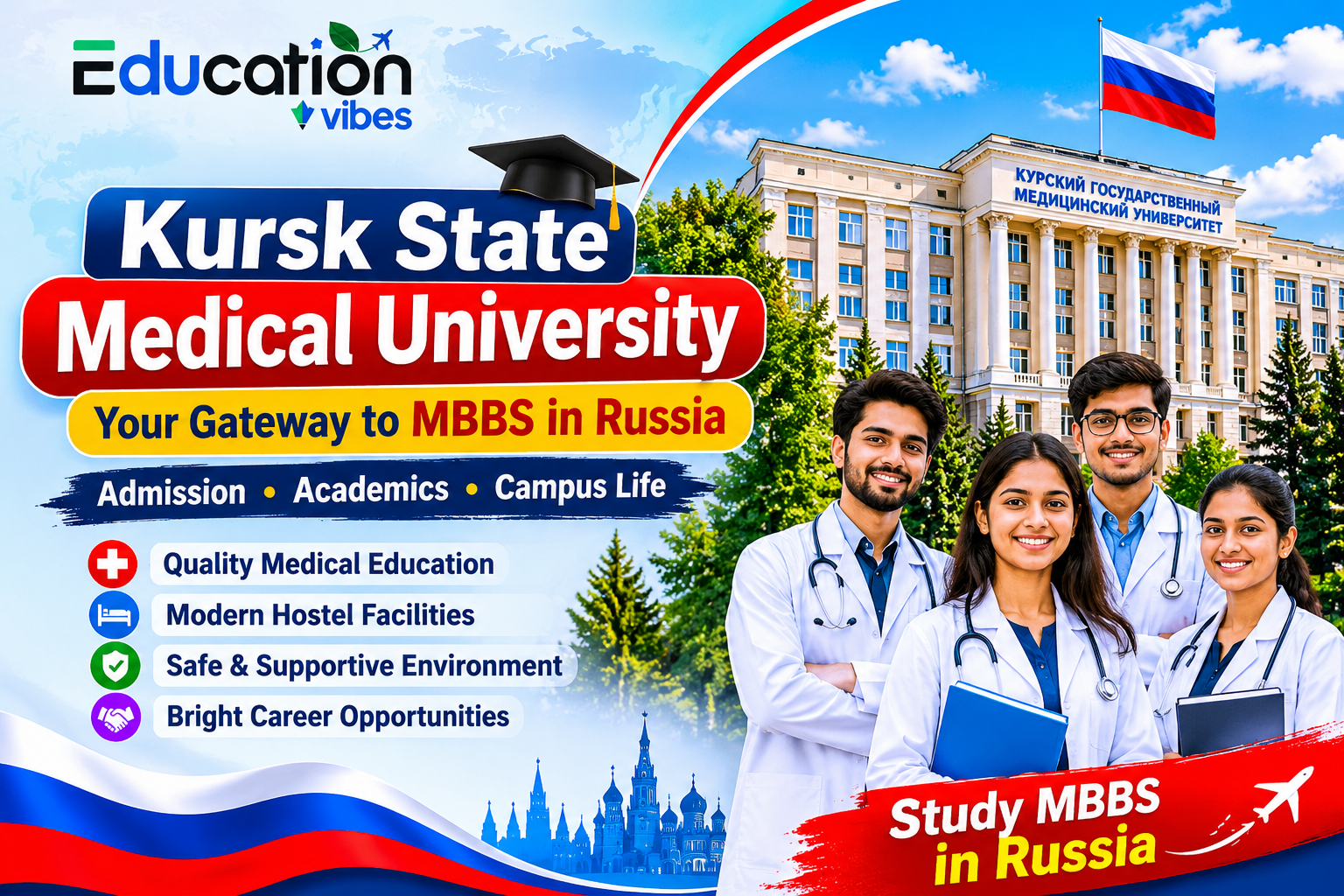
Practical learning and scientific research play an important role in medical education. Medical students need access to laboratories, modern training equipment, research programmes, and practical learning environments to develop their clinical knowledge. Kursk State Medical University provides various academic and research facilities that support medical education and scientific activities. These facilities allow students to understand medical concepts through practical demonstrations, laboratory exercises, and research-based learning.
1. Overview of Laboratory Facilities
Medical laboratories help students connect theoretical knowledge with practical applications. They provide opportunities to understand human anatomy, disease mechanisms, diagnostic procedures, and different aspects of healthcare.
The Kursk State Medical University Research Facilities include specialised training laboratories and research departments. The university's Accreditation Simulation Centre has laboratories for emergency medicine, obstetrics and gynaecology, surgical skills, paediatrics, nursing, dentistry, and general practitioner training.
These facilities support practical education through simulated medical situations, helping students develop professional knowledge and clinical skills.
2. Clinical Skills and Simulation Laboratories
Simulation-based education is an important part of medical training because it allows students to practise clinical procedures in a controlled learning environment.
The university's practical training facilities include:
-
Emergency Training Laboratory: Focuses on emergency response and essential medical procedures.
-
Surgical Skills Laboratory: Provides a learning environment for practising surgical techniques.
-
Obstetrics and Gynaecology Laboratory: Supports practical learning related to women's healthcare.
-
Paediatrics Laboratory: Helps students understand medical care for children.
-
Nursing Laboratory: Develops essential patient-care and nursing skills.
-
General Practitioner Laboratory: Supports training in primary healthcare and patient assessment.
These specialised laboratories allow students to improve their understanding of medical procedures before applying their knowledge in clinical settings.
3. Research Institutes and Scientific Departments
Scientific research is another important component of the university's academic environment. Its research structure includes specialised institutes working in different areas of medical science.
The Kursk State Medical University Research Facilities include research institutions such as:
Research Institute of General Pathology: This institute focuses on disease mechanisms, pathophysiology, microbiology, and experimental studies related to human health.
Research Institute of Genetic and Molecular Epidemiology: Its research involves molecular genetics, socially significant diseases, genetic analysis, and approaches to disease prevention.
Research Institute of Experimental Medicine: This research area includes experimental surgery, oncology, laboratory medicine, and investigations into diagnostic and therapeutic methods.
Research Institute of Physiology: It contributes to scientific investigations related to physiological processes and medical research.
The university also has an Experimental Biological Clinic supporting scientific and experimental activities.
4. Research Opportunities for Medical Students
Students interested in scientific activities can explore opportunities to participate in academic research and student scientific projects.
According to university information, students, residents, and postgraduate researchers participate in research activities. The Student Scientific Society also provides an academic platform for students interested in scientific development.
For students pursuing MBBS in Russia, participation in research activities can help develop analytical thinking, scientific writing, problem-solving abilities, and a deeper understanding of medical subjects.
Students can explore research interests in areas such as:
-
Human physiology and pathology.
-
Genetics and molecular epidemiology.
-
Pharmacology and drug development.
-
Experimental surgery and oncology.
-
Microbiology and immunology.
-
Preventive medicine and public health.
Participation opportunities and project eligibility should be confirmed with the relevant academic department.
5. Scientific Conferences and Academic Events
Scientific conferences provide opportunities for students and researchers to discuss medical developments, exchange knowledge, and learn about new research techniques.
The university organises scientific meetings and academic events involving faculty members, researchers, postgraduate students, and medical students.
One example is its conference on Immune Technologies in Laboratory Practice, which discussed laboratory research methods, modern equipment, and diagnostic and treatment technologies.
Such events can help students understand how scientific discoveries contribute to improvements in healthcare.
6. Benefits of Laboratory-Based Medical Education
Laboratory learning offers several advantages for students preparing for medical careers.
Better conceptual understanding: Practical demonstrations help students understand complex medical topics.
Clinical skill development: Simulation exercises introduce students to essential procedures and patient-care techniques.
Scientific knowledge: Research activities encourage students to explore medical questions and understand evidence-based approaches.
Professional development: Conferences and research discussions improve communication, teamwork, and analytical abilities.
For Indian students choosing MBBS in Russia, these academic opportunities can complement classroom learning and support their overall medical education.
7. What Indian Students Should Verify Before Admission
Before selecting Kursk State Medical University, applicants should understand the facilities available to international medical students.
They should ask the university about laboratory access, practical class schedules, simulation training, research participation, available equipment, and supervision by academic staff.
The Kursk State Medical University Research Facilities should also be evaluated according to the specific programme and academic year. Not every research institute or specialised laboratory necessarily forms part of every student's regular curriculum.
Conclusion
Laboratory education and scientific research are valuable components of medical training. Kursk State Medical University has specialised simulation laboratories, research institutes, and student scientific activities that support practical and academic development. Students considering MBBS in Russia should explore these facilities and verify their availability for international medical students before making an admission decision.

 Polish
 English
 Arabic
 French
 Spanish
 Portuguese
 Deutsch
 Turkish
 Dutch
 Italiano
 Russian
 Portuguese (Brazil)
 Greek