
How Commercial Hardscaping Enhances Business Property Appeal
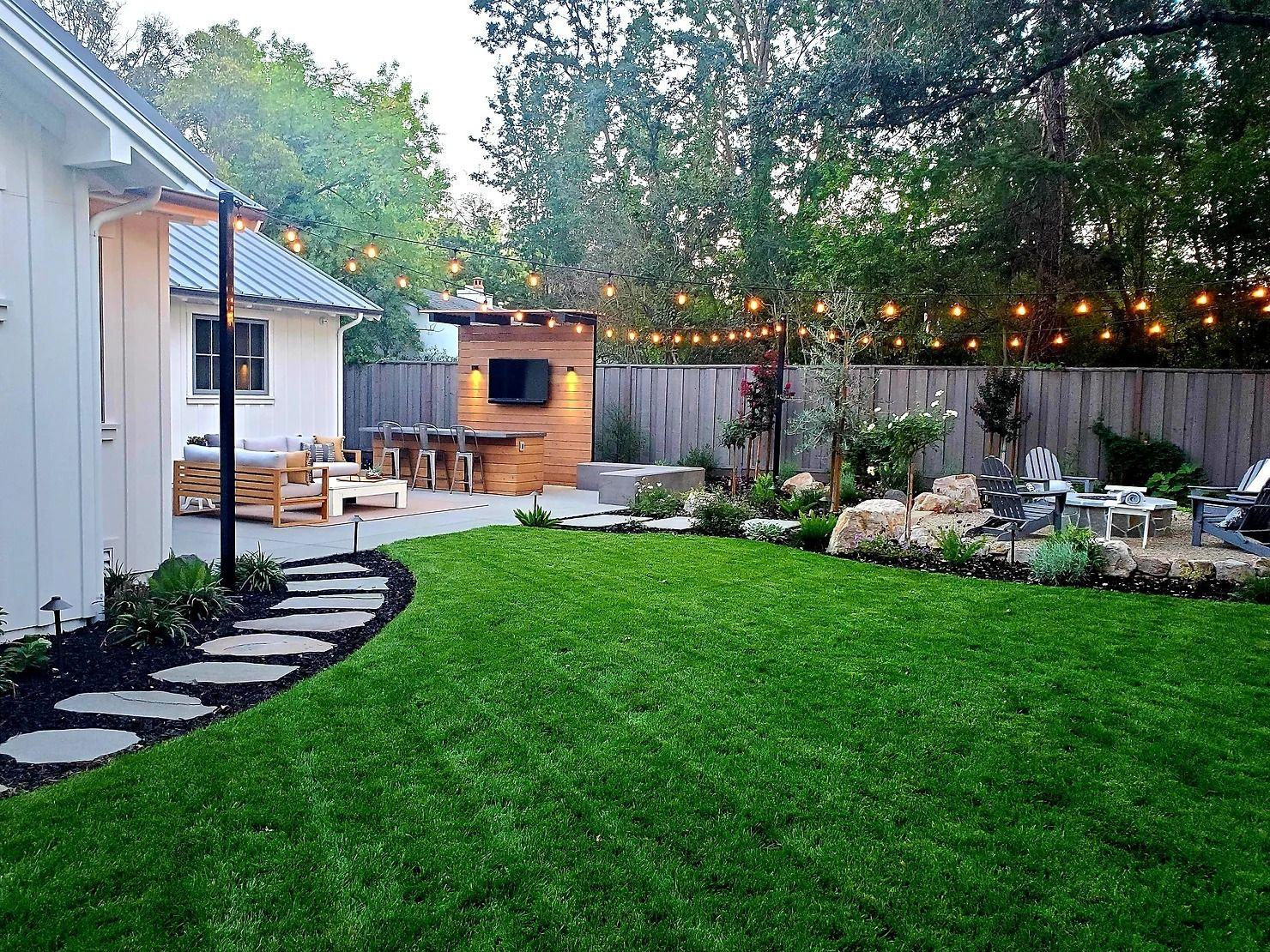
The exterior of a commercial property often shapes a visitor's first impression before they enter the building. Uneven walkways, worn paving, poorly defined entrances, and neglected outdoor areas can make a business property appear difficult to access or maintain. In contrast, a well-designed landscape with durable hardscape features creates a more organized, welcoming, and professional environment. These improvements can also make outdoor areas safer and more practical for employees, customers, and visitors.
Investing in a commercial landscape hardscaping service allows property owners and managers to improve both the appearance and functionality of their outdoor spaces. Features such as paved pathways, entry plazas, retaining walls, seating areas, and defined parking access can give a property a more coordinated layout. The key is to select materials and designs that suit the building, support daily traffic, and remain manageable over time.
Why Hardscaping Matters for Commercial Properties
Commercial hardscaping includes the constructed elements of an outdoor environment. Unlike lawns and planting beds, these features provide physical structure and support regular movement and activities around a property.
Walkways guide visitors toward entrances, paved gathering areas provide space for outdoor seating, and retaining walls help manage changes in elevation. Other features, including steps, decorative stone borders, and paved courtyards, can make the site feel more organized.
A thoughtful hardscape design also creates consistency between the building and its surroundings. When paving materials, colors, shapes, and architectural details complement one another, the property feels more cohesive. This can be particularly valuable for office buildings, retail centers, hospitality properties, and other commercial spaces where presentation matters.
Creating Welcoming Entrances and Walkways
The entrance is one of the most important areas of a commercial property. Customers, clients, and employees should be able to identify the main access point without confusion. Clear pathways and well-positioned paving can make approaching the building easier while giving the exterior a clean, professional appearance.
Designing Clear Pedestrian Routes
Walkways should connect parking areas, entrances, outdoor seating, and other frequently used sections of the property. Their width should accommodate expected foot traffic, including periods when several visitors arrive at once.
The layout should also minimize unnecessary turns and avoid placing obstacles in common walking routes. Changes in elevation may require carefully designed ramps, steps, or transitions to support convenient access. Property managers should consider accessibility requirements during the planning stage rather than treating them as an afterthought.
Selecting Safe Surface Materials
Commercial walkways experience frequent use, so the surface must be suitable for regular foot traffic and outdoor exposure. Textured pavers, properly finished concrete, and suitable natural stone can offer practical options depending on the location and design.
Surface traction is especially important in areas exposed to rain, shade, or seasonal moisture. Materials should be selected based on their intended use, cleaning requirements, and performance under local weather conditions.
Choosing Durable Materials for High-Traffic Areas
Commercial outdoor spaces often experience heavier use than residential landscapes. Delivery vehicles, maintenance equipment, employees, and customers may place different demands on paved surfaces.
Material selection should reflect the expected load and frequency of use. A decorative pedestrian courtyard may require different construction specifications from a service entrance or vehicle-access area. Choosing materials based only on appearance can lead to premature wear or costly repairs.
Concrete pavers offer flexibility in patterns and colors, while poured concrete can create continuous surfaces for certain applications. Natural stone may provide a distinctive finish in selected areas. Before approving a material, property owners should compare its durability, installation requirements, maintenance needs, and repair options.
Proper installation is equally important. Excavation, base preparation, compaction, joint treatment, and edge restraints all influence how well a paved surface performs. A durable material cannot compensate for an inadequate foundation.
Improving Outdoor Functionality With Hardscape Features
Commercial hardscaping should do more than improve appearance. It should help the property operate efficiently and provide useful outdoor spaces.
Patios and Seating Areas
Restaurants, office campuses, hospitality businesses, and retail properties may benefit from outdoor seating areas. A well-positioned patio can provide a comfortable place for visitors or employees to sit without interfering with pedestrian movement.
Furniture placement, shade, lighting, and access should all be considered before construction. The design should leave enough room for people to move comfortably while keeping entrances and walkways clear.
Retaining Walls and Level Changes
Properties with sloped ground may need retaining walls to create more usable areas or manage changes in elevation. These structures can define planting beds, support terraced spaces, and help organize outdoor layouts.
Their design must account for soil conditions, wall height, drainage, and the pressure exerted by retained material. Water buildup behind a wall can contribute to structural problems, so suitable drainage measures should be included in the construction plan.
Planning Drainage and Long-Term Maintenance
Drainage is one of the most important considerations in any commercial hardscape project. Water that collects on paved surfaces can create slippery conditions, inconvenience visitors, and contribute to surface deterioration. Poorly directed runoff may also affect building foundations, planting areas, and neighboring sections of the site.
A professional site assessment should identify existing drainage patterns and low areas before the layout is finalized. Proper grading helps direct water toward appropriate drainage points rather than allowing it to collect near entrances or along walkways.
Maintenance should also be considered from the beginning. Commercial property managers need surfaces that can be cleaned efficiently and inspected without disrupting normal operations. Paver joints may require attention, concrete can develop cracks, and retaining walls should be monitored for movement or drainage concerns. Selecting practical materials and establishing a maintenance schedule can help protect the investment.
Avoiding Common Commercial Hardscaping Mistakes
Some projects lose their value because important planning details are overlooked. One common mistake is choosing decorative materials without considering traffic levels or weather exposure. Another is creating attractive features that reduce pedestrian space or make vehicle access more difficult.
Poor drainage planning, inadequate base preparation, and inconsistent material choices can also affect the finished result. Property owners should avoid rushing the design stage simply to begin construction sooner.
Before hiring a contractor, review examples of relevant commercial projects, request a detailed written estimate, and ask how site preparation, drainage, installation, and cleanup will be managed. Clarify the proposed materials, project schedule, maintenance expectations, and any arrangements needed to keep business operations running during construction.
For businesses considering improvements to their outdoor environment, Kingswood Landscape is worth considering when exploring professional landscape design and construction options. Discussing site conditions, property requirements, and project priorities can help determine which hardscape features are appropriate for the space.
Commercial hardscaping can make a business property more attractive, accessible, and practical when every feature is planned around its intended use. By prioritizing durable materials, safe pathways, effective drainage, and professional installation, property owners can create an exterior that supports daily operations while presenting a positive impression. Start by assessing the areas that need improvement and consult an experienced professional to develop a hardscape plan suited to your property's needs.

 Polish
 English
 Arabic
 French
 Spanish
 Portuguese
 Deutsch
 Turkish
 Dutch
 Italiano
 Russian
 Romaian
 Greek