
Himalayan Hill Station: Best Mountain Destinations, Experiences and Holiday Guide in India
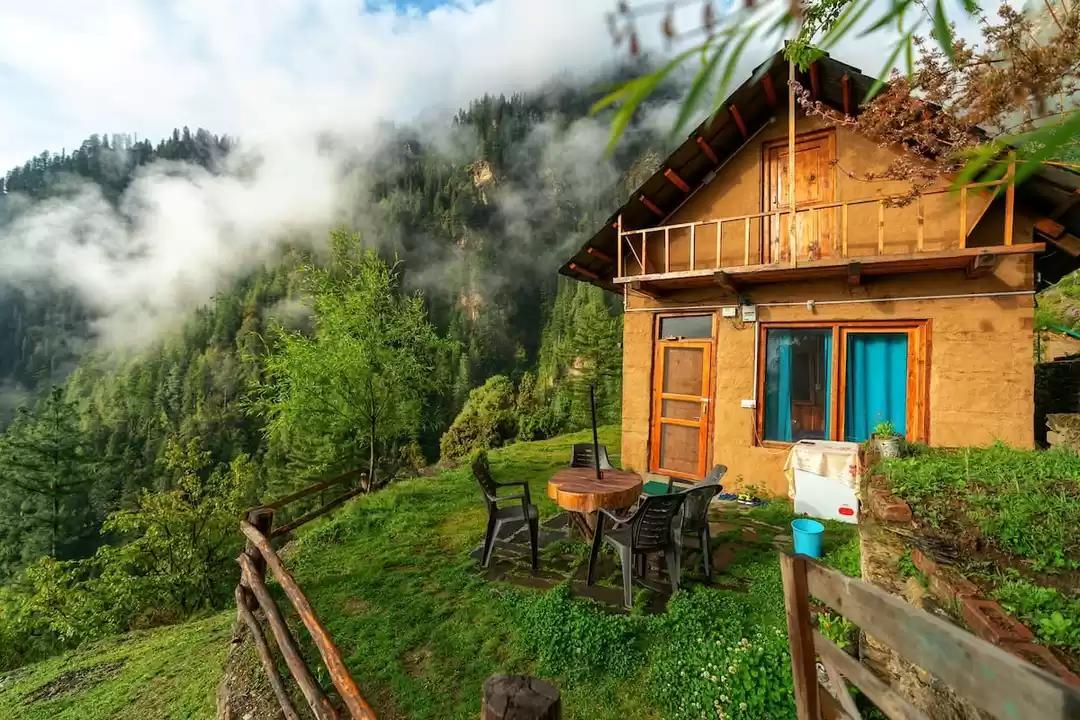
India's Himalayan region offers an extraordinary combination of dramatic mountain scenery, peaceful valleys, traditional villages and memorable outdoor experiences. From snow-covered peaks and alpine forests to historic hill towns and Buddhist monasteries, the mountains provide a refreshing contrast to India's bustling cities and tropical landscapes. For international visitors seeking a different side of the country, exploring a Himalayan Hill Station can be an unforgettable part of an Indian holiday.
Whether you are interested in scenic railway journeys, mountain trekking, luxury accommodation or quiet nature retreats, the Indian Himalayas offer destinations for different travel styles. Places such as Shimla, Manali, Dharamshala, Mussoorie and Darjeeling each have their own character, landscapes and cultural attractions.
For travellers planning holidays from the UK and Europe, these destinations also provide opportunities to experience India's regional diversity at a comfortable pace. Families, couples, independent explorers and luxury travellers can all find rewarding experiences, provided their itinerary is planned around the season, altitude and accessibility of each destination.
What Makes a Himalayan Hill Station Special?
A Himalayan hill station is more than simply a mountain destination. These towns and settlements combine beautiful natural surroundings with distinctive local traditions, historic architecture and opportunities to experience life in India's mountain communities.
One of the most appealing features is the scenery. Towering Himalayan peaks, forest-covered slopes, winding rivers and green valleys create an environment that changes with the seasons. These breathtaking landscapes make the region an attractive choice for family holidays to India, offering families opportunities to enjoy nature, explore scenic mountain towns and spend quality time together. Depending on the destination and altitude, visitors may experience pleasant summer weather, colourful spring landscapes, clear autumn skies or winter snowfall.
Many hill stations also have fascinating historical backgrounds. Shimla, for example, retains architectural reminders of the British colonial period, while Darjeeling is associated with historic tea estates and the famous mountain railway. Dharamshala and McLeod Ganj offer a different atmosphere through Tibetan Buddhist culture, monasteries and meditation centres.
For visitors familiar with European mountain destinations, the Indian Himalayas offer a distinctive cultural experience alongside their natural beauty. Local markets, regional cuisine, traditional festivals and village hospitality add another dimension to a mountain holiday.
Best Himalayan Hill Stations to Visit in India
Choosing the right destination depends on the type of experience you want. Some hill stations are lively and offer plenty of sightseeing, while others are better suited to peaceful escapes and outdoor exploration.
1. Manali, Himachal Pradesh
Manali is among India's most popular mountain destinations, attracting visitors with its dramatic scenery, riverside surroundings and opportunities for adventure. Situated in the Kullu Valley, it provides an excellent introduction to the landscapes of Himachal Pradesh.
The town is surrounded by forested mountains, apple orchards and flowing rivers. Visitors can explore Old Manali's cafés and traditional architecture, visit Hadimba Devi Temple or enjoy the scenery around the Beas River.
Solang Valley is particularly popular for outdoor activities. Depending on the season and operating conditions, visitors can experience activities such as paragliding, skiing and other mountain adventures.
Manali also provides access to beautiful mountain landscapes around the wider Kullu region. Those seeking quieter surroundings can consider exploring nearby villages and valleys.
Who should visit: Couples, adventure enthusiasts, independent travellers and families looking for a combination of sightseeing and outdoor activities.
Where to stay: Options range from comfortable hotels and riverside accommodation to boutique properties and luxury mountain resorts.
Best time to visit: March to June is popular for pleasant weather and outdoor sightseeing. December to February is suitable for travellers interested in winter scenery and possible snowfall, although weather conditions can affect road access.
2. Shimla, Himachal Pradesh
Shimla combines mountain scenery with colonial heritage, making it one of India's most recognisable hill stations. Once the summer capital of British India, the town retains historic buildings, churches and architectural landmarks that reflect its past.
The Ridge and Mall Road are central to the visitor experience. They offer mountain views, shops, cafés and opportunities for relaxed walks. Christ Church and the surrounding heritage buildings are also worth exploring.
One of Shimla's most memorable attractions is the Kalka–Shimla Railway, a UNESCO-listed mountain railway route. Its winding tracks, tunnels, bridges and scenic surroundings make the journey an experience in itself.
Beyond the main town, visitors can explore nearby viewpoints and quieter mountain areas.
Who should visit: History enthusiasts, couples, mature travellers and families interested in sightseeing and comfortable mountain holidays.
Where to stay: Heritage hotels, boutique accommodation and established resorts provide a range of options.
Best time to visit: March to June offers pleasant conditions, while December to February brings colder weather and occasional snowfall.
3. Dharamshala and McLeod Ganj, Himachal Pradesh
Dharamshala and McLeod Ganj offer a distinctive combination of Himalayan landscapes, Tibetan culture and peaceful surroundings.
McLeod Ganj is particularly known for its Tibetan community and Buddhist heritage. The Tsuglagkhang Complex, which includes the Dalai Lama Temple, is an important cultural and spiritual site. Visitors can also explore Tibetan handicraft shops, cafés and local markets.
The surrounding mountains provide opportunities for walking and trekking. Triund is one of the better-known trekking destinations in the area, offering rewarding views of the Dhauladhar mountain range. Visitors should consider their fitness, weather conditions and local trekking guidance before attempting the route.
For those seeking a slower experience, meditation centres, monasteries and quiet cafés provide opportunities to spend time away from busy tourist areas.
Who should visit: Culture enthusiasts, couples, independent travellers, nature lovers and visitors interested in meditation and spirituality.
Where to stay: Boutique hotels, mountain-view properties, guesthouses and peaceful retreats.
Best time to visit: March to June and September to November are generally favourable for sightseeing and outdoor activities.
4. Mussoorie, Uttarakhand
Often associated with beautiful Himalayan views and a relaxed atmosphere, Mussoorie is a popular mountain destination in Uttarakhand.
The town offers scenic viewpoints, forested surroundings and a selection of heritage properties. Mall Road is a convenient place for shopping, dining and enjoying the hill-station atmosphere.
Kempty Falls is a well-known attraction, while Camel's Back Road provides an opportunity for a leisurely walk with mountain scenery. Visitors can also explore nearby Landour, which has a quieter character and traditional colonial-era architecture.
Mussoorie is particularly appealing to travellers who prefer sightseeing, nature walks and comfortable accommodation rather than demanding outdoor adventures.
Who should visit: Families, couples, mature travellers and visitors looking for a relaxed mountain break.
Where to stay: Heritage accommodation, boutique hotels and premium mountain-view resorts.
Best time to visit: March to June and September to November are popular periods. The monsoon season can bring heavy rainfall and travel disruptions.
5. Nainital, Uttarakhand
Nainital is known for its beautiful lake, surrounding hills and relaxed holiday atmosphere. Located in the Kumaon region, it is particularly attractive for visitors seeking a combination of nature, sightseeing and comfortable accommodation.
Naini Lake is the centre of the town, with boating being one of its most popular activities. Visitors can also explore Naina Devi Temple, walk along Mall Road and enjoy views from nearby mountain viewpoints.
The surrounding region offers opportunities to visit forest areas, smaller lakes and traditional settlements. A stay in Nainital can also be combined with other Kumaon destinations for a longer mountain holiday.
Who should visit: Families, couples and travellers who enjoy lakeside scenery and relaxed sightseeing.
Where to stay: Lakeside hotels, boutique properties and resorts in quieter surrounding areas.
Best time to visit: March to June and September to November are suitable for many visitors.
6. Darjeeling, West Bengal
Darjeeling offers one of the most distinctive mountain experiences in India. Known for its tea estates, colonial heritage and views of the Kanchenjunga range, it combines natural scenery with a rich cultural atmosphere.
A visit to a tea estate provides an opportunity to learn about tea cultivation and production. The surrounding plantations also offer beautiful settings for photography and peaceful walks.
The Darjeeling Himalayan Railway, another UNESCO-listed mountain railway, is among the region's most memorable attractions. Its historic narrow-gauge trains travel through scenic mountain settlements and offer a different perspective on the landscape.
Visitors can also explore the Himalayan Mountaineering Institute, local monasteries, traditional markets and viewpoints such as Tiger Hill. Clear weather is important for mountain views, and visibility cannot be guaranteed.
Who should visit: Couples, families, photographers, culture enthusiasts and travellers interested in tea and heritage experiences.
Where to stay: Heritage hotels, boutique properties, tea estate accommodation and mountain-view resorts.
Best time to visit: March to May and October to November are popular for sightseeing and clearer mountain views.
7. Kasol and Tirthan Valley, Himachal Pradesh
For travellers who prefer quieter mountain surroundings, Kasol and Tirthan Valley offer alternatives to the larger and busier hill stations.
Kasol is situated in the Parvati Valley and is known for its riverside setting, forest trails and relaxed atmosphere. It attracts independent travellers and those interested in exploring the surrounding mountain settlements.
Tirthan Valley offers a more peaceful experience, with traditional villages, forest landscapes and access to the Great Himalayan National Park area. Nature walks, birdwatching and local village experiences are among the activities available.
These destinations are particularly appealing to travellers who want to spend more time in nature rather than follow a conventional sightseeing itinerary.
Who should visit: Independent travellers, nature enthusiasts, couples and adventure lovers.
Where to stay: Riverside guesthouses, homestays, boutique accommodation and eco-conscious retreats.
Best time to visit: March to June and September to November are generally favourable, subject to local weather and road conditions.
Are Himalayan Hill Stations Suitable for Family Holidays in India?
The Indian Himalayas can provide memorable experiences for families, offering opportunities to enjoy beautiful scenery, outdoor activities and cultural attractions together. However, choosing the right destination is important when planning family holidays to India.
Some hill stations are better suited to families with younger children, while others involve longer journeys, uneven walking routes or more demanding outdoor activities.
Shimla and Nainital are good options for families who prefer sightseeing, comfortable accommodation and relatively relaxed activities. Boating, heritage attractions, local markets and scenic walks can make these destinations enjoyable for different age groups.
Mussoorie also offers a pleasant family holiday experience, with viewpoints, waterfalls and easy nature walks. Manali can be suitable for families interested in mountain scenery and seasonal outdoor activities, although parents should check the safety requirements and age restrictions of individual activities.
When planning family holidays in India, accommodation deserves particular attention. Look for properties offering family rooms, reliable heating, hot water, suitable dining facilities and convenient transport arrangements. Families travelling with younger children may prefer private transfers rather than depending entirely on public transport.
Parents should also consider the journey itself. Mountain roads can be winding, and travel times may be longer than expected. It is sensible to include rest stops and avoid overcrowding the itinerary.
A well-planned Himalayan family holiday should balance sightseeing with relaxation. Children can enjoy boating, nature walks and local experiences, while adults can appreciate the scenery, cultural attractions and peaceful surroundings.
Best Time to Visit Himalayan Hill Stations
The ideal time to visit depends on the destination, altitude and experiences you want to enjoy. The Himalayan climate varies considerably across different regions, so seasonal planning is important.
Spring (March to April)
Spring brings fresh greenery, blossoming flowers and pleasant conditions in many lower and mid-altitude destinations. It is a good time for sightseeing, nature walks and exploring traditional mountain towns.
Summer (May to June)
Summer is a popular period for mountain holidays, particularly for visitors looking for cooler temperatures compared with India's plains. Manali, Shimla, Mussoorie and Nainital attract many holidaymakers during these months.
Autumn (September to November)
Autumn is often an excellent season for mountain photography and sightseeing. Following the monsoon, many destinations experience clearer skies, although conditions vary. This period is particularly attractive for visitors interested in mountain views and trekking.
Winter (December to February)
Winter brings colder temperatures and snowfall in selected Himalayan locations. Higher-altitude destinations and parts of Himachal Pradesh may offer snow-based experiences, depending on weather conditions.
Visitors should prepare for low temperatures, possible road closures and changes to transport schedules.
Best Things to Do in the Indian Himalayas
A mountain holiday can include much more than sightseeing. The Indian Himalayas offer activities suited to different interests and fitness levels.
Mountain trekking and hiking: Destinations around Manali, McLeod Ganj and Tirthan Valley provide access to scenic trails. Choose routes according to your fitness and experience.
Boating and lakeside experiences: Nainital offers boating on Naini Lake, providing a relaxed way to appreciate the surrounding scenery.
Adventure sports: Paragliding and seasonal snow activities are available in selected areas around Manali and Solang Valley. Always use reputable operators and follow safety guidance.
Wildlife and birdwatching: Forests and protected areas across the Himalayan region support diverse wildlife and bird species. Guided nature experiences can help visitors understand the local environment.
Scenic railway journeys: The Kalka–Shimla Railway and Darjeeling Himalayan Railway offer memorable journeys through mountain landscapes.
Tea estate visits: Darjeeling provides opportunities to learn about tea cultivation, production and regional tea traditions.
Yoga and meditation: Dharamshala and McLeod Ganj are known for meditation centres and spiritual retreats.
Village experiences: Exploring traditional Himalayan settlements provides insight into local architecture, food, customs and everyday life.
Himalayan Culture, Traditions and Local Experiences
The Himalayas are home to diverse communities, languages, religions and traditions. Each destination offers its own cultural identity, making local experiences an important part of a mountain holiday.
In Dharamshala and McLeod Ganj, Tibetan Buddhist traditions are particularly visible through monasteries, prayer flags, meditation centres and traditional handicrafts.
Himachal Pradesh has a rich cultural heritage expressed through local festivals, traditional clothing, wooden architecture and regional cuisine. Uttarakhand is known for its Hindu temples, religious traditions and mountain communities.
Darjeeling reflects a blend of cultural influences, with Nepali, Tibetan and other regional traditions contributing to its identity.
Visitors can explore local markets, sample traditional dishes and purchase handmade products from local artisans. When visiting religious sites, dress respectfully and follow photography guidelines. Always ask permission before photographing people, particularly during religious ceremonies.
Where to Stay in Himalayan Hill Stations
Accommodation can significantly influence the quality of a mountain holiday. The Indian Himalayas offer options ranging from luxury resorts to traditional homestays.
Luxury mountain resorts: These properties are suitable for travellers looking for spacious rooms, mountain views, quality dining and additional facilities.
Boutique hotels: Smaller properties often offer personalised service and distinctive interiors, making them attractive for couples and independent travellers.
Heritage hotels: Particularly appealing in destinations such as Shimla and Darjeeling, heritage properties combine historical character with comfortable accommodation.
Traditional homestays: Staying with local hosts provides an opportunity to experience regional food and mountain hospitality.
Eco-lodges: These properties may appeal to nature enthusiasts seeking accommodation with a stronger emphasis on environmental responsibility.
Backpacker hostels: Popular in destinations such as Kasol, these offer affordable accommodation and opportunities to meet other travellers.
Before booking, check heating, hot water, Wi-Fi availability, road access and dining arrangements. In more remote areas, facilities may be limited compared with major cities.
Food and Dining Experiences in the Himalayas
Food is another enjoyable part of exploring the mountain regions. Each area has its own culinary traditions, shaped by local ingredients, climate and cultural influences.
Himachali cuisine includes traditional dishes such as siddu and dham, a regional celebratory meal. Tibetan-influenced food is widely available in Dharamshala and McLeod Ganj, where visitors can enjoy momos, thukpa and other comforting dishes.
Uttarakhand has regional specialities such as kafuli and aloo ke gutke. Darjeeling is particularly famous for its tea, while local restaurants serve a variety of regional and international dishes.
Vegetarian and vegan options are available in many tourist destinations, although choices can become limited in remote mountain villages. Travellers with dietary requirements should communicate these clearly when booking accommodation.
Drink safe water and choose food establishments with good hygiene practices, particularly when travelling with children.
How to Reach Himalayan Hill Stations from the UK and Europe
For international travellers, planning the journey to the Himalayas begins with selecting a suitable international arrival airport.
Delhi is a major international gateway for many visitors arriving from the UK and Europe. From there, travellers can continue towards Himalayan destinations using domestic flights, trains or private road transfers.
For destinations in Himachal Pradesh and Uttarakhand, a combination of rail and road travel is often practical. Shimla can be reached through Chandigarh or Kalka, followed by road or the scenic mountain railway from Kalka. Manali generally requires a longer road journey or a combination of flights and road transfers.
Dharamshala has access through Kangra Airport, although flight schedules and connections should be checked before planning an itinerary.
Darjeeling can be approached through Bagdogra Airport or New Jalpaiguri railway station, followed by a road journey.
Travellers from the UK should also plan their Indian visa arrangements in advance. Check the official Indian visa website for current eligibility, application procedures and entry requirements.
Comprehensive travel insurance is advisable, particularly for visitors planning trekking, adventure sports or extended mountain journeys.
Safety and Essential Travel Tips for International Visitors
The Indian Himalayas can be enjoyed comfortably with suitable preparation, but mountain environments require a little additional planning.
-
Mountain roads: Roads can be narrow, winding and affected by weather. Use experienced drivers and allow extra time for journeys.
-
Altitude awareness: Ordinary hill-station holidays are different from high-altitude trekking. Visitors travelling to higher elevations should understand altitude-related risks and seek appropriate medical advice.
-
Weather conditions: Rain, snowfall and landslides can affect road access and transport schedules.
-
Clothing: Pack layers, comfortable walking shoes, waterproof outerwear and warm clothing according to the season.
-
Medical facilities: Check the availability of medical services in your destination, particularly when visiting remote areas.
-
Mobile connectivity: Network coverage and internet access can vary between towns and remote villages.
-
Trekking safety: Choose routes appropriate to your fitness, use qualified local guides where necessary and check current trail conditions.
-
Travel insurance: Ensure your policy covers the activities you intend to undertake.
Families should take particular care when planning outdoor activities with children. Avoid demanding routes for young travellers and choose accommodation with convenient access to essential facilities.
Responsible and Sustainable Tourism in the Himalayas
The Himalayan environment is ecologically sensitive, and responsible tourism helps protect its natural and cultural heritage.
Visitors can contribute by avoiding single-use plastics, carrying reusable water bottles where safe, disposing of waste responsibly and respecting designated trekking routes.
Choosing locally owned accommodation, hiring local guides and purchasing handmade products from regional artisans can also support mountain communities.
Wildlife should always be observed from a respectful distance. Avoid feeding animals, disturbing natural habitats or leaving waste in forest areas.
Small, thoughtful decisions can help preserve the landscapes and traditions that make Himalayan destinations special.
Himalayan Holidays or Kerala Holidays: Which Indian Experience Should You Choose?
India offers remarkable geographical diversity, and choosing between the mountains and the tropical south depends on your preferred holiday experience.
The Himalayas are ideal for travellers interested in cooler mountain weather, scenic valleys, trekking, traditional villages and dramatic mountain views. Destinations such as Manali, Shimla and Darjeeling offer a combination of outdoor activities, heritage and nature.
In comparison, holidays to Kerala provide a very different atmosphere. Located in southern India, Kerala is known for its tropical landscapes, palm-lined beaches, tea plantations, wildlife reserves and peaceful backwaters.
Munnar is particularly popular for its rolling tea estates and green mountain scenery. Visitors can enjoy plantation visits, nature walks and scenic drives. Kerala also offers traditional houseboat experiences through its backwater network, providing a relaxing way to appreciate the region's waterways and village life.
Travellers choosing between Himalayan destinations and Kerala holidays should consider their interests:
-
Mountain scenery: The Himalayas offer dramatic peaks, forests and alpine valleys.
-
Backwater experiences: Kerala is known for its houseboats and tranquil waterways.
-
Outdoor activities: Himalayan destinations are attractive for trekking and mountain adventures, while Kerala offers nature walks, wildlife experiences and water-based activities.
-
Climate: Himalayan weather varies with altitude and season, whereas Kerala generally has a tropical climate.
-
Accommodation: The Himalayas offer mountain resorts and heritage hotels, while Kerala is known for boutique retreats, plantation stays and backwater properties.
Travellers with sufficient time can combine both regions in a longer Indian holiday. For example, a journey could include several days exploring Himalayan hill stations followed by a relaxing stay in Munnar and a backwater experience in Kerala.
Although the two regions are geographically distant, combining them can provide a broader understanding of India's natural beauty and cultural diversity.
Suggested 7–10 Day Himalayan Holiday Itinerary
A well-planned itinerary should allow enough time to appreciate each destination without spending too many hours travelling between mountain towns.
Days 1–2: Arrive in Delhi and travel towards Shimla
Arrive in Delhi and continue towards Shimla by private transfer or a suitable rail and road connection. Spend the first evening relaxing and adjusting after your international journey.
Days 3–4: Explore Shimla
Visit the Ridge, Mall Road and Christ Church. Enjoy the town's colonial heritage and scenic viewpoints. If schedules permit, consider experiencing part of the Kalka–Shimla Railway journey.
Days 5–6: Travel to Manali
Continue towards Manali, allowing sufficient time for the road journey. Explore Old Manali, enjoy riverside scenery and visit local attractions.
Day 7: Solang Valley
Spend the day enjoying the mountain scenery around Solang Valley. Seasonal adventure activities can be considered depending on weather conditions and operator availability.
Days 8–9: Explore the Kullu Valley
Enjoy a slower pace with opportunities for nature walks, local markets and traditional village experiences.
Day 10: Return journey
Travel towards your departure gateway, allowing adequate time for the onward international connection.
This itinerary is a sample rather than a fixed route. Travellers interested in Tibetan culture could choose Dharamshala instead of part of the Manali stay. Families may prefer fewer destinations and more time at each property.
Frequently Asked Questions
1. Which is the best Himalayan hill station in India?
Manali, Shimla, Mussoorie, Nainital and Darjeeling are among the most popular choices. The best destination depends on whether you prefer adventure, heritage, lakeside scenery or peaceful mountain accommodation.
2. What are the most beautiful hill stations in the Indian Himalayas?
Darjeeling, Manali, Mussoorie and Nainital are particularly attractive for their mountain landscapes, scenic viewpoints and natural surroundings.
3. What is the best month to visit Himalayan hill stations?
April, May, October and November are popular months for many destinations. However, the ideal period depends on altitude, weather and planned activities.
4. Can international tourists experience snowfall in India?
Yes. Selected Himalayan destinations experience winter snowfall, particularly in higher-altitude areas and parts of Himachal Pradesh. Snowfall depends on weather conditions and cannot be guaranteed.
5. Are Himalayan hill stations suitable for first-time visitors to India?
Yes. Popular destinations such as Shimla, Manali, Nainital and Mussoorie offer established tourism facilities. A well-organised itinerary and comfortable transport can make the experience easier.
6. How many days are enough for a Himalayan holiday?
Around 7–10 days can provide a good introduction to selected Himalayan destinations. Longer holidays allow more time for trekking, village experiences and slower travel.
7. Are luxury hotels available in the Indian Himalayas?
Yes. Several popular mountain destinations offer luxury resorts, boutique hotels and heritage properties with scenic surroundings and premium facilities.
8. Is travelling in the Indian Himalayas safe?
Many established hill stations welcome visitors throughout the year. However, weather, road conditions and altitude should be considered carefully, particularly when travelling to remote areas.
9. What should international visitors pack for a Himalayan holiday?
Pack comfortable walking shoes, layered clothing, warm outerwear, waterproof clothing, personal medication and essential travel documents. Requirements vary according to season and altitude.
10. Can I combine Himalayan holidays with Kerala holidays?
Yes. Travellers with sufficient time can combine mountain destinations in northern India with Kerala's tea plantations, beaches and backwaters in the south. Domestic flights can help connect the two regions.

 Polish
 English
 Arabic
 French
 Spanish
 Portuguese
 Deutsch
 Turkish
 Dutch
 Russian
 Romaian
 Portuguese (Brazil)
 Greek