
Kumarakom & Alleppey: Experience Kerala's Backwaters, Luxury Stays and Authentic Local Culture
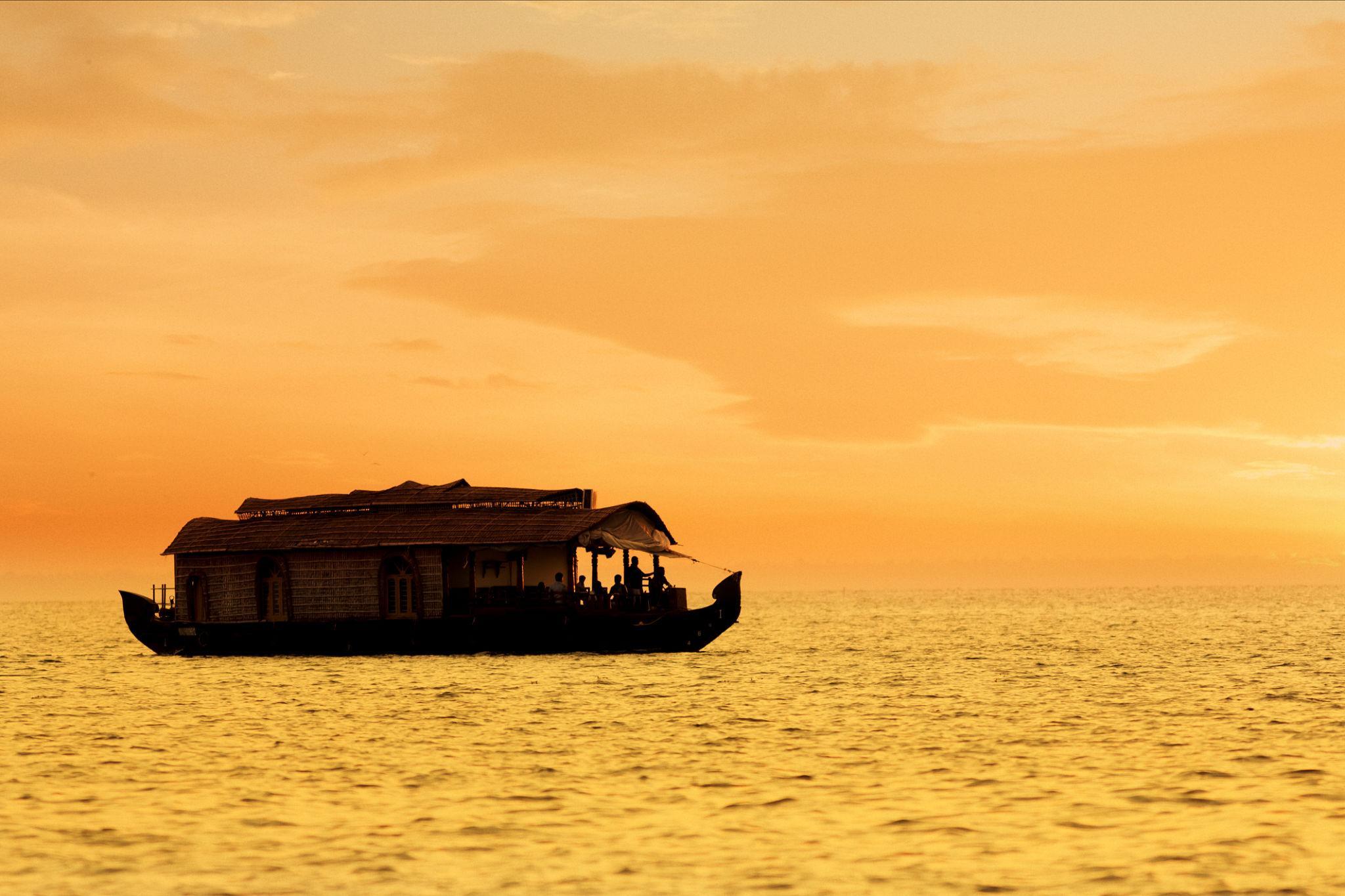
Kerala is renowned for its tropical landscapes, peaceful waterways and rich cultural traditions, and Kumarakom & Alleppey offer two of the finest ways to experience this distinctive side of South India. Set along the magnificent Vembanad Lake and its interconnected network of canals, rivers and lagoons, these destinations invite travellers to slow down and enjoy a different pace of life. From private houseboat cruises and elegant lakeside resorts to traditional village experiences and fresh Kerala cuisine, the region combines natural beauty with exceptional hospitality.
For travellers planning Luxury India Holidays, Kumarakom and Alleppey provide an appealing combination of relaxation, cultural exploration and comfortable accommodation. Although the two destinations share the same backwater landscape, each offers a different atmosphere. Kumarakom is particularly attractive for peaceful lakeside retreats, nature experiences and premium resorts, while Alleppey is celebrated for its traditional houseboats, narrow canals and lively waterfront communities.
Whether you are planning a romantic escape, a family holiday or a longer luxury tour of India, spending time in Kerala's backwaters can become one of the most memorable parts of your journey. This guide explores what makes these destinations special, where to stay, what to experience and how to plan a comfortable visit from the UK.
Understanding Kumarakom and Alleppey – Kerala's Famous Backwater Destinations
Located in the southern Indian state of Kerala, Kumarakom and Alleppey are important destinations within the state's celebrated backwater region. Their waterways form part of an extensive natural network connecting lakes, rivers, canals and coastal lagoons.
At the heart of this landscape is Vembanad Lake, Kerala's largest lake. Its calm waters, coconut-lined banks and surrounding villages create a distinctive setting that attracts visitors interested in nature, photography and traditional Kerala life.
Kumarakom, situated in Kottayam district, is particularly known for its peaceful lakeside setting. The village lies along the eastern side of Vembanad Lake, where traditional settlements, green paddy fields and coconut plantations create a relaxing atmosphere. Its lakeside resorts and birdwatching opportunities make it an attractive choice for couples and travellers seeking a quieter holiday.
Alleppey, officially known as Alappuzha, offers a slightly different experience. Its extensive canal network, traditional boat services, fishing communities and historic waterways provide a closer connection with everyday life along Kerala's backwaters. The town is especially famous for its traditional kettuvallam houseboats, which were originally used to transport rice and other goods.
Today, these waterways remain closely connected to local livelihoods, agriculture, fishing and tourism. Travelling through them provides an opportunity to appreciate Kerala beyond its beaches and hill stations.
Kerala Tourism highlights Alappuzha's traditional waterways, coir-making heritage and distinctive agricultural landscape as important elements of its cultural identity.
Kumarakom vs Alleppey – Which Destination Should You Choose?
Although Kumarakom and Alleppey share the same backwater environment, choosing between them depends on the kind of holiday you prefer.
Kumarakom: Peaceful Luxury and Natural Surroundings
Kumarakom is an excellent option for travellers looking for a relaxing stay surrounded by nature. Its lakeside location provides opportunities to enjoy beautiful sunsets, peaceful boat journeys and views across Vembanad Lake.
The destination is particularly suitable for:
-
Couples seeking a romantic lakeside holiday.
-
Honeymooners interested in private accommodation.
-
Families looking for comfortable resorts.
-
Birdwatching and nature enthusiasts.
-
Travellers interested in Ayurvedic wellness experiences.
-
Visitors who prefer a quieter atmosphere.
Many travellers choose Kumarakom for its premium accommodation and slower pace. A stay at a lakeside resort allows guests to enjoy the backwaters without necessarily spending the night on a boat.
Alleppey: Traditional Houseboats and Local Experiences
Alleppey is often the first destination that comes to mind when people imagine a Kerala houseboat holiday.
Its extensive waterways provide opportunities to travel through narrow canals, traditional villages and open stretches of Vembanad Lake. The scenery changes throughout the journey, with fishermen, coconut palms, small temples and everyday village activities creating an interesting backdrop.
Alleppey is particularly appealing for:
-
First-time visitors to Kerala.
-
Travellers interested in overnight houseboat stays.
-
Couples looking for a traditional backwater experience.
-
Families interested in local culture.
-
Visitors who enjoy photography and boat excursions.
Can You Visit Both Destinations?
Absolutely. Visiting both Kumarakom and Alleppey can provide a more complete understanding of Kerala's backwaters.
You could begin with an overnight houseboat experience in Alleppey before spending two relaxing nights at a luxury resort in Kumarakom. This combination offers the opportunity to enjoy the movement of a traditional boat journey as well as the comfort and facilities of a lakeside retreat.
For a premium Kerala holiday itinerary, combining the two destinations is often more rewarding than choosing only one.
Experience the Kerala Backwaters on a Luxury Houseboat
A houseboat cruise is one of the defining experiences of Kerala tourism. Known locally as a kettuvallam, the traditional Kerala houseboat has an interesting history connected with the region's agricultural and trading communities.
Historically, these boats transported rice, spices and other goods through Kerala's waterways. They were constructed using wooden planks traditionally tied together with coir ropes. As modern road transport gradually replaced waterways for commercial transportation, many traditional boats were adapted to accommodate visitors.
Traditional Versus Luxury Houseboats
Traditional houseboats generally provide a simpler experience, while premium vessels offer more spacious interiors and additional facilities.
Depending on the vessel and category, a luxury houseboat may include:
-
Private air-conditioned bedrooms.
-
Attached bathrooms.
-
Comfortable lounge areas.
-
Open decks for enjoying the scenery.
-
Dining areas with views of the waterways.
-
Dedicated onboard staff.
-
Freshly prepared Kerala meals.
-
Personalised cruising arrangements.
However, facilities differ considerably between operators. Travellers should confirm the exact inclusions rather than assuming every premium houseboat offers identical services.
Private Houseboat Kerala Experience
For couples and families, booking a private houseboat can make the journey more comfortable and personal.
Instead of sharing the vessel with other visitors, guests can enjoy their own accommodation, dining arrangements and dedicated space.
A private backwater cruise also allows travellers to enjoy the scenery at a more relaxed pace. Watching local fishermen at work, passing small villages and observing daily activities along the canals can be just as memorable as the destination itself.
What to Expect During an Overnight Stay
Most overnight houseboat experiences include a daytime cruise, an evening halt, dinner and breakfast the following morning.
The boat generally stops at an authorised location for the night rather than continuing to cruise throughout the evening. This provides an opportunity to enjoy dinner, relax on deck and appreciate the peaceful surroundings.
Before booking, international visitors should check:
-
Whether air conditioning operates throughout the night or only during specified hours.
-
The number and size of bedrooms.
-
Bathroom facilities and water availability.
-
Whether meals and drinking water are included.
-
The cruising route and overnight stopping location.
-
Safety equipment and emergency arrangements.
-
Whether the boat has suitable facilities for children or older travellers.
For a more comfortable experience, look for properly maintained and appropriately classified houseboats.
Kerala Tourism's classification guidelines include safety provisions such as lifebuoys, fire-safety equipment, first-aid kits and GPS systems.
Kerala Houseboats Category Classification
Unforgettable Things to Do in Kumarakom and Alleppey
Beyond houseboat journeys, the region offers plenty of opportunities to explore Kerala's natural environment and cultural traditions.
1. Enjoy a Traditional Backwater Canoe Ride
A canoe journey through Kerala's narrow waterways provides a more intimate experience than travelling on a large houseboat.
Small canals pass close to village homes, coconut plantations and gardens. You may see residents travelling between settlements, fishermen checking their nets and local shops serving communities along the water.
These journeys are particularly rewarding for photography enthusiasts and visitors interested in everyday Kerala life.
A smaller canoe can also access waterways that larger houseboats cannot easily navigate.
For a quieter experience, consider arranging an early-morning excursion when the temperature is relatively comfortable and village activity is beginning.
2. Experience Authentic Kerala Village Life
The backwaters are not simply scenic waterways; they are part of a living cultural landscape.
Village experiences around Kumarakom and Alleppey provide an opportunity to understand the traditions and occupations that have shaped the region.
Depending on the location and available experiences, visitors may observe:
-
Traditional fishing techniques.
-
Coconut harvesting and processing.
-
Coir-making and rope production.
-
Local handicrafts.
-
Paddy cultivation.
-
Traditional Kerala homes and architecture.
The Kuttanad region is particularly interesting for its agricultural landscape and rice cultivation. Often described as Kerala's rice bowl, it is known for farming areas situated below sea level.
Visitors interested in responsible tourism can arrange locally guided experiences that support village communities and small businesses.
3. Visit Kumarakom Bird Sanctuary
Nature enthusiasts should consider visiting the Kumarakom Bird Sanctuary.
Located beside Vembanad Lake, this sanctuary provides a habitat for resident and migratory birds. Its wooded pathways and wetland surroundings make it an appealing destination for birdwatching and nature photography.
Depending on the season, visitors may spot herons, egrets, kingfishers, darters, waterfowl and other bird species.
There are two particularly interesting periods for birdwatching:
-
June to August: A good period for observing resident wetland birds and breeding activity.
-
November to February: An important period for migratory birdwatching.
Early mornings are generally preferable for observing bird activity.
The sanctuary is also an excellent addition to a relaxed Kumarakom travel guide for travellers who want to include nature experiences alongside their resort stay.
Kerala Tourism+1
4. Explore Pathiramanal Island
Situated within Vembanad Lake, Pathiramanal Island is a small island known for its natural surroundings and birdlife.
Its name is commonly translated as 'Sands of Night'. Accessible by boat, the island offers a peaceful setting for visitors interested in Kerala's wetland ecosystems.
The surrounding waters and vegetation support a variety of bird species, making it an appealing excursion for nature lovers.
Pathiramanal can be incorporated into a private boat excursion or a wider backwater itinerary, depending on the route and local boating arrangements.
Visitors should avoid disturbing wildlife and should not leave litter behind.
Kerala Tourism+1
5. Enjoy Kayaking and Private Boat Excursions
Kayaking is another enjoyable way to explore the Kerala backwaters.
Unlike larger vessels, kayaks allow visitors to travel through narrow waterways and appreciate the surrounding landscape at close range.
Private motorboat and shikara excursions are also available in parts of the region. These can be suitable for travellers who prefer a shorter sightseeing experience rather than an overnight houseboat stay.
When selecting an operator, check the availability of life jackets, experienced guides and suitable safety arrangements.
6. Experience Traditional Kerala Cuisine
Food is an important part of any Kerala holiday.
Traditional cuisine makes extensive use of coconut, rice, spices, curry leaves and locally available seafood. Visitors can enjoy a variety of dishes, from mild vegetarian preparations to more strongly flavoured regional specialities.
Some dishes worth trying include:
-
Appam: Soft, bowl-shaped rice pancakes with a light, fluffy centre.
-
Kerala Sadya: A traditional vegetarian feast served on a banana leaf with several accompanying dishes.
-
Karimeen Pollichathu: Pearl spot fish marinated with spices and cooked in a banana leaf.
-
Puttu and Kadala Curry: Steamed rice flour and coconut served with black chickpea curry.
-
Kerala Fish Curry: Fish cooked with regional spices and, in many preparations, coconut or tamarind.
-
Payasam: A traditional sweet dessert commonly served during celebrations and festive meals.
Many luxury resorts and houseboats offer freshly prepared local dishes. Travellers with dietary requirements should communicate their preferences before arrival, particularly when arranging private dining or overnight boat stays.
7. Enjoy Ayurvedic Wellness Experiences
Kerala has a long-standing association with Ayurveda, traditional wellness practices and therapeutic massage.
Kumarakom is particularly suitable for incorporating wellness experiences into a relaxing holiday.
Several resorts and specialist wellness establishments offer treatments such as traditional oil massages, relaxation therapies and yoga sessions.
For visitors interested in a more structured Ayurvedic programme, it is important to choose a reputable centre with appropriately qualified practitioners.
Treatments should be selected following a professional consultation rather than assuming that every spa treatment is suitable for every individual.
Luxury Resorts and Exclusive Stays in Kumarakom and Alleppey
Accommodation can significantly influence the quality of a Kerala backwater holiday.
Kumarakom is particularly appealing for travellers interested in lakeside resorts, spacious accommodation and personalised hospitality. Its setting makes it possible to enjoy the natural surroundings while benefiting from the facilities of an established luxury property.
Luxury Lakeside Resorts in Kumarakom
A premium resort stay may offer:
-
Spacious rooms and private villas.
-
Views across Vembanad Lake.
-
Swimming pools.
-
Waterfront dining.
-
Spa and wellness facilities.
-
Landscaped gardens.
-
Private boat excursions.
-
Organised village and nature experiences.
For couples, a private villa or lake-facing room can provide a particularly relaxing setting.
Families may prefer resorts offering larger accommodation, swimming facilities and convenient dining arrangements.
When choosing between luxury resorts in Kumarakom, consider the location, room category, privacy and range of experiences rather than relying on star ratings alone.
Boutique Accommodation and Private Stays in Alleppey
Alleppey offers a mixture of traditional homestays, boutique properties, waterfront accommodation and luxury houseboats.
Some travellers prefer staying in a comfortable property on land while enjoying private boat excursions during the day. Others choose an overnight houseboat experience to make the waterways the central part of their holiday.
A combination of both can provide a good balance.
Resort Stay or Overnight Houseboat?
A resort provides a more conventional hotel experience, with greater access to facilities and a stable accommodation environment.
A houseboat offers a different kind of experience, allowing visitors to spend several hours travelling through Kerala's waterways.
Neither option needs to replace the other. For a luxury Kerala holiday, spending a night on a private houseboat followed by a few nights at a premium lakeside resort can create a varied and comfortable itinerary.
Best Time to Visit Kumarakom and Alleppey
Kerala has a tropical climate, with warm temperatures, considerable humidity and seasonal rainfall. The best time to visit Kumarakom and Alleppey depends on your preferred activities and tolerance for heat and rain.
October to March: The Most Popular Travel Season
Best overall period for most holidaymakers
October to March is generally considered the most comfortable period for exploring Kerala's backwaters.
Temperatures are usually more manageable, making it suitable for houseboat journeys, sightseeing, village excursions and outdoor activities.
December, January and February are particularly attractive for travellers escaping the colder winter months in the UK.
This period is also useful for migratory birdwatching around Kumarakom.
As this is a popular travel season, booking accommodation and premium houseboats in advance is advisable.
April and May: Warmer Weather and Quieter Stays
April and May are generally hotter and more humid.
Outdoor sightseeing can be less comfortable during the middle of the day, although early-morning boat journeys and indoor resort activities remain possible.
Some luxury properties may offer more attractive rates outside the main tourist season.
Travellers visiting during these months should plan regular breaks, stay hydrated and choose accommodation with suitable cooling facilities.
June to September: Monsoon Season
The southwest monsoon brings considerable rainfall to Kerala, creating lush green landscapes and replenishing the region's waterways.
This period offers a different atmosphere, with rain-soaked coconut plantations, dramatic skies and quieter surroundings.
However, rainfall can affect outdoor sightseeing, boating schedules and road journeys.
Travellers interested in Ayurveda may also consider this season, as some wellness establishments offer specialised monsoon programmes. The suitability of treatments should always be discussed with qualified practitioners.
For most first-time international visitors, October to March is the more straightforward period for a comfortable backwater holiday.
How Many Days Should You Spend in Kumarakom and Alleppey?
The ideal length of stay depends on whether you want a short backwater experience or a more relaxed Kerala holiday.
One Day: A Short Backwater Introduction
A single day can include a houseboat or shikara excursion, a traditional Kerala meal and some time exploring the local surroundings.
However, this option may feel rushed, particularly if you are travelling from another part of Kerala.
Two Days: A Traditional Backwater Experience
Two days provide enough time for an overnight houseboat experience.
You can enjoy a daytime cruise, an evening meal onboard and a peaceful night surrounded by the backwaters.
The following morning can be spent enjoying breakfast before continuing towards Kumarakom or another destination.
Three Days: A Relaxed Backwater Holiday
Three days offer a better balance between sightseeing and relaxation.
An example itinerary could include:
-
Day 1: Arrive in Alleppey and enjoy a private backwater cruise.
-
Day 2: Explore local canals, villages and traditional Kerala culture.
-
Day 3: Travel to Kumarakom and enjoy a peaceful lakeside resort stay.
Four Days: A Premium Kerala Stay
For a more leisurely experience, four days allow you to combine an overnight houseboat stay with a luxury resort holiday.
You could spend two days around Alleppey and two days in Kumarakom.
This provides more time for birdwatching, wellness treatments, private boat excursions and relaxed dining.
For travellers planning a longer Kerala holiday itinerary, this approach can be combined with Kochi, Munnar or Thekkady.
How to Reach Kumarakom and Alleppey from the UK
For UK travellers, reaching Kerala generally involves an international flight to a major Indian airport followed by a domestic transfer.
International Flights to Kochi
Cochin International Airport is one of the most convenient arrival points for visitors planning to explore Kumarakom and Alleppey.
Travellers departing from London, Manchester or other UK airports may find connecting flight options through international aviation hubs.
Flight availability, routes and journey durations vary depending on the departure airport, airline and travel dates. Check current schedules before booking.
Reaching Kumarakom
Kumarakom can be reached by road from Kochi and Kottayam.
Cochin International Airport is a convenient airport for the destination, although the onward journey requires a road transfer.
Kottayam is also an important railway connection for visitors arriving by train from other parts of India.
A pre-arranged private transfer is often the most comfortable option for international travellers carrying luggage.
Reaching Alleppey
Alleppey has its own railway station and is accessible by road from Kochi.
Cochin International Airport is approximately 85 kilometres from Alappuzha town, although actual driving times depend on traffic and road conditions.
Kerala Tourism
For a smoother arrival, consider arranging an airport pickup and confirming the transfer details before departure.
If you are combining Alleppey with Kumarakom, Munnar or Thekkady, arranging transport as part of a complete Kerala itinerary can simplify the journey.
Essential Travel Tips for Western Visitors
A little preparation can make a considerable difference to your Kerala holiday.
Clothing and Tropical Weather
Pack lightweight, breathable clothing suitable for warm and humid conditions.
Cotton and linen are practical choices. Comfortable walking shoes, sandals, sunglasses and a sun hat are also useful.
If visiting during the monsoon, include a lightweight waterproof jacket and suitable footwear.
Food Preferences and Dietary Requirements
Kerala cuisine offers a wide variety of vegetarian and non-vegetarian dishes.
If you have particular dietary requirements, communicate them to your hotel or houseboat operator before arrival.
Most established properties can discuss vegetarian meals and other preferences, although arrangements should be confirmed in advance.
Drinking Water and Hygiene
Use sealed bottled or properly filtered drinking water.
Take care when choosing food from unfamiliar establishments, particularly during hot weather.
Reputable resorts and well-managed houseboats generally provide suitable dining arrangements, but it is sensible to confirm drinking-water provisions before travelling.
Cultural Etiquette
Kerala is known for its welcoming communities and cultural diversity.
When visiting temples and religious establishments, dress respectfully and follow local instructions regarding footwear, photography and access.
Ask permission before photographing residents, particularly in private homes or village settings.
Currency and Payments
The Indian rupee is the local currency.
Cards and digital payments are accepted at many established hotels and businesses, but smaller local establishments may prefer cash.
Keeping some Indian currency available is useful for local purchases and smaller excursions.
Connectivity and Internet
Mobile coverage is available across much of the region, although signal quality may vary on certain waterways.
International visitors should check roaming charges or arrange a suitable Indian mobile connection where eligible.
Accessibility and Mobility
Some houseboats have narrow access points, steps and limited mobility facilities.
Travellers with mobility requirements should discuss boarding arrangements, bedroom access and bathroom facilities before confirming a reservation.
Visa and Travel Insurance
British passport holders should check the latest Indian visa requirements through official government channels before travelling.
Travel insurance should cover the intended activities and the full duration of the holiday.
Responsible Tourism
Choose operators that respect local communities, follow appropriate boating practices and manage waste responsibly.
Avoid littering, disturbing wildlife or playing loud music in sensitive natural areas.
Supporting local guides, craftspeople and family-run establishments can also contribute to the communities that make Kerala's backwaters so distinctive.
Combining Kumarakom and Alleppey with Other Kerala Destinations
One of the advantages of including Kumarakom and Alleppey in a wider South India holiday is their convenient connection with several other Kerala destinations.
Combining backwaters with beaches, hill stations and historic towns creates a varied travel experience.
Kochi: Heritage and Coastal Culture
Kochi is an excellent starting point for exploring Kerala.
Fort Kochi is known for its colonial architecture, historic streets, art galleries and traditional Chinese fishing nets.
Visitors can enjoy heritage walks, local markets and traditional Kerala cuisine before continuing towards the backwaters.
Munnar: Tea Plantations and Mountain Scenery
Munnar offers a striking contrast to the tropical waterways.
Located in the Western Ghats, it is known for rolling tea plantations, mist-covered hills and cooler mountain surroundings.
It is particularly suitable for travellers who enjoy scenic drives, nature and peaceful accommodation.
Thekkady: Wildlife and Forest Experiences
Thekkady is associated with the Periyar landscape and its forest environment.
Visitors can enjoy nature walks, guided experiences and opportunities to appreciate the region's wildlife.
It is an appealing addition for travellers who want to combine Kerala backwater experiences with nature-focused activities.
Marari Beach: A Peaceful Coastal Retreat
Marari Beach offers a quieter coastal experience near Alleppey.
Its sandy shoreline, coconut palms and relaxed atmosphere make it suitable for travellers wanting a few days of beachside relaxation.
A combination of Kochi, Munnar, Thekkady, Kumarakom, Alleppey and Marari can create an excellent Kerala luxury holiday itinerary, depending on the available travel time.
Frequently Asked Questions About Kumarakom and Alleppey
1. Are Kumarakom and Alleppey worth visiting?
Yes. Both destinations offer beautiful backwater scenery, traditional village experiences and opportunities to enjoy Kerala's unique culture. They are particularly appealing to travellers seeking relaxation and nature-based experiences.
2. What is the difference between Kumarakom and Alleppey?
Kumarakom is particularly known for peaceful lakeside resorts, birdwatching and luxury accommodation. Alleppey is more closely associated with traditional houseboats, extensive canals and village life.
3. Which is better for a houseboat experience?
Alleppey is one of Kerala's best-known houseboat destinations and offers a wide range of cruising experiences. Kumarakom also provides access to houseboat journeys along Vembanad Lake.
4. What is the best time to visit Kumarakom and Alleppey?
October to March is generally the most comfortable period for most visitors. The weather is usually more suitable for boating, sightseeing and outdoor activities.
5. How many days are enough for both destinations?
Three to four days provide a comfortable amount of time to experience both destinations. This allows visitors to enjoy a houseboat journey and spend time at a lakeside resort.
6. Is one night on a Kerala houseboat enough?
Yes. One night provides a good introduction to the traditional houseboat experience, including daytime cruising, dinner and an overnight stay on the waterways.
7. What is included in a luxury houseboat experience?
Depending on the operator, inclusions may cover private bedrooms, attached bathrooms, onboard dining, staff services and air conditioning. Always confirm the exact facilities and meal arrangements before booking.
8. Are Kumarakom and Alleppey suitable for couples?
Yes. Both destinations are suitable for couples, particularly those interested in private boat journeys, lakeside accommodation, romantic dining and peaceful natural surroundings.
9. Is it safe to stay overnight on a Kerala houseboat?
A properly maintained and appropriately equipped houseboat can provide a comfortable overnight experience. Check the operator's safety provisions, life jackets, emergency arrangements and vessel condition before booking.
10. Can Kumarakom and Alleppey be combined with Munnar and Kochi?
Yes. Both destinations can be incorporated into a wider Kerala itinerary alongside Kochi and Munnar. Thekkady and Marari Beach are also worthwhile additions, depending on the length of your holiday.

 Polish
 English
 Arabic
 French
 Spanish
 Portuguese
 Turkish
 Dutch
 Italiano
 Russian
 Romaian
 Portuguese (Brazil)
 Greek