
How Indian Textile Traditions Inspire Home Decor
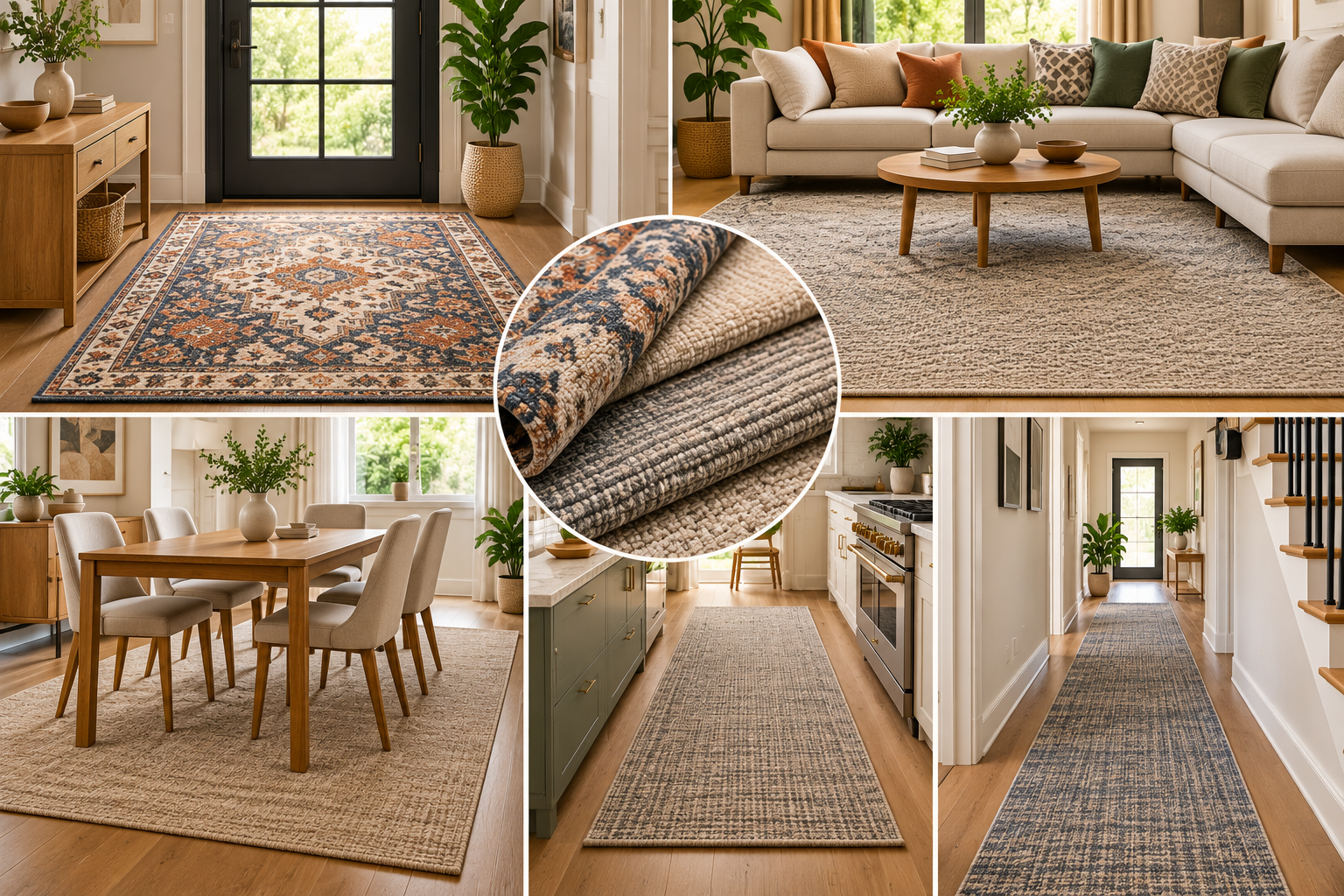
Indian textile traditions like Ikat weaving, Kantha embroidery, and Ajrakh dyeing bring centuries of craftsmanship into modern homes. These techniques add texture, color, and story to interiors. Homeowners can bring this heritage into their space by choosing handmade rugs, layered textiles, and jewel-toned accents that pair well with contemporary furniture.
India's textile heritage stretches back thousands of years, built on techniques passed down through generations of skilled artisans. Every region tells its own story through fabric — from the mirror-work embroidery of Gujarat to the indigo-dyed cloth of Kutch. These traditions didn't stay confined to clothing. They've made their way into living rooms, bedrooms, and hallways around the world.
Homeowners today want more than mass-produced decor. They want pieces with a history, a hand behind them, and a reason for existing. Indian textiles deliver all three. A hand-block-printed cushion cover or a hand-knotted rug carries the fingerprints of the person who made it, and that authenticity is hard to replicate with machine-made alternatives.
This shift explains why Indian-inspired design keeps gaining ground in global interiors. Designers and homeowners alike are pairing traditional rugs and carpets with clean, modern furniture to create spaces that feel warm rather than sterile. This post walks through where these textile traditions come from, which ones matter most for home decor, and how to bring them into your own space.
Where Do Indian Textile Traditions Come From?
Indian weaving and dyeing techniques date back to the Indus Valley Civilization, where archaeologists have found evidence of cotton cultivation and early dyeing methods. Over centuries, these skills spread across the subcontinent, with each region developing its own signature style based on local materials and cultural influences.
Gujarat became known for its mirror work and Bandhani tie-dye. Rajasthan built a reputation around block printing and vibrant color combinations. West Bengal developed Kantha embroidery, while Kashmir perfected Pashmina weaving. These regional differences weren't random — they grew out of local climate, available dyes, and the specific needs of each community.
What started as ceremonial and everyday clothing gradually found its way into home furnishings. Wedding textiles turned into wall hangings. Sari borders became cushion trims. Bedspreads once reserved for special occasions now double as tablecloths and throws. This evolution happened naturally, driven by artisans finding new markets for their skills as demand for clothing textiles shifted.
Which Indian Textile Traditions Work Best for Home Decor?
Not every traditional textile translates easily into modern interiors, but a handful have proven especially adaptable.
Ikat Weaving and Its Geometric Patterns
Ikat involves dyeing yarn before weaving, which creates a distinctive blurred edge along each pattern. The result is a fabric with bold geometric designs that look intentional yet slightly imperfect. This technique works well on upholstery, throw pillows, and curtains, where the pattern can breathe without overwhelming a room.
Madhubani Paintings and Their Vibrant Motifs
Madhubani art, which originated in the Mithila region of Bihar, uses bright colors and detailed line work to depict nature, mythology, and daily life. When translated onto fabric, Madhubani motifs bring a burst of color and detail that works well as a statement piece — think a single accent wall hanging rather than an entire room covered in the pattern.
Kantha Embroidery and Its Storytelling Approach
Kantha embroidery began as a way to repurpose old saris and cloth by stitching layers together with simple running stitches. What makes Kantha special is its improvised, personal quality. No two Kantha pieces look exactly alike, since each one reflects the choices of the person stitching it. This makes Kantha throws and quilts a good option for anyone who wants decor with genuine character.
Ajrakh and Traditional Indigo Dyeing Methods
Ajrakh printing, practiced primarily in Gujarat and Sindh, uses natural indigo and madder root dyes along with hand-carved wooden blocks to create intricate repeating patterns. The deep blues and reds of Ajrakh cloth add richness to a space without requiring bright, attention-grabbing colors.
Paisley Patterns and Their Cultural Significance
The paisley motif, known in India as "buta" or "kairi," has roots in Kashmiri shawl-making and has since spread across global textile design. Its teardrop shape works on everything from bedspreads to drapery, offering a pattern that feels familiar to Western eyes while carrying genuine South Asian origins.
How Can You Bring Indian Textiles Into Your Home?
Adding these traditions to your space doesn't require an overhaul. A few thoughtful choices go a long way.
Start with a rug. Traditional rugs and carpets from India make a strong focal point for any room. Hand-knotted wool or silk rugs from regions like Kashmir and Rajasthan bring both texture and history to a floor, and they tend to outlast synthetic alternatives by decades. If you're looking to buy rugs online, prioritize sellers who work directly with weaving communities so you know the piece is genuinely handmade.
Layer your textiles. Combine a patterned throw with solid-colored cushions, or place a smaller rug over a larger neutral one. Layering adds depth and keeps a room from feeling flat, while giving you room to mix multiple traditions in one space.
Pair old with new. A Kantha quilt on a mid-century sofa or an Ikat cushion on a minimalist armchair creates contrast that makes both pieces stand out. You don't need to fill a room with traditional patterns — one or two well-placed items often make a bigger impact than a dozen.
Choose authentic, artisan-made pieces. Handmade rugs in India often come from families who have practiced the craft for generations. Buying directly from these artisans, or from retailers who partner with them fairly, supports the communities keeping these techniques alive.
What Color Palettes Come From Indian Textile Traditions?
Color plays a central role in Indian textile design, and understanding the palette helps you decorate with intention.
Earthy tones — ochre, terracotta, rust, and deep browns — come from natural dyes like turmeric, madder root, and iron. These shades work well as a base for a room and pair easily with wood furniture and neutral walls.
Bold jewel tones, including deep emerald, sapphire blue, and ruby red, appear often in traditional Indian textiles, especially those tied to celebrations and ceremonial wear. These colors work best as accents rather than dominant tones, since a small dose of jewel color can energize a room without overpowering it.
Balancing these bold shades with neutral backgrounds — think white walls, light wood, or beige upholstery — keeps a space from feeling cluttered while letting the textiles do the visual work.
Bring Authenticity Home
Indian textile traditions carry generations of skill, regional identity, and creativity. Bringing them into your home means more than following a design trend. It means adding pieces with real history behind them — a rug woven by hand, a quilt stitched with care, a fabric dyed using methods that predate written history.
The next time you're planning a room refresh, consider starting with a traditional rug or a piece of handmade textile art. Look for sellers who work directly with artisan communities, and take time to learn the story behind each piece you bring home. That story is often what makes a room feel complete.
Frequently Asked Questions
What makes Indian textiles different from mass-produced home decor?
Indian textiles are typically handmade using techniques passed down through generations, such as block printing, hand embroidery, and natural dyeing. This means each piece has slight variations that machine-made decor lacks, giving it a one-of-a-kind quality.
Are handmade Indian rugs more expensive than machine-made ones?
Handmade rugs generally cost more upfront due to the time and skill required to produce them. However, they're often more durable and tend to last for decades with proper care, which can make them a better long-term value.
How do I know if a rug or textile is authentically handmade?
Look for sellers who provide information about the artisan or weaving community behind the piece. Authentic handmade rugs often have slight irregularities in pattern and slightly different pile heights, unlike the uniform look of machine-made rugs.
Can I mix Indian textiles with modern or minimalist furniture?
Yes. Pairing a single traditional piece, such as a Kantha throw or an Ikat cushion, with clean-lined modern furniture creates contrast that highlights both styles without clashing.
Where can I buy authentic Indian textiles and rugs online?
Look for online retailers that specify the region of origin, the weaving technique, and the artisan group involved in making each piece. This transparency is a good sign that you're buying a genuine, handmade product rather than a factory reproduction.
 Dutch
 Polish
 English
 Arabic
 French
 Spanish
 Portuguese
 Deutsch
 Turkish
 Italiano
 Russian
 Romaian
 Portuguese (Brazil)
 Greek