
Penile Implant: Types, Benefits, Recovery, and Cost
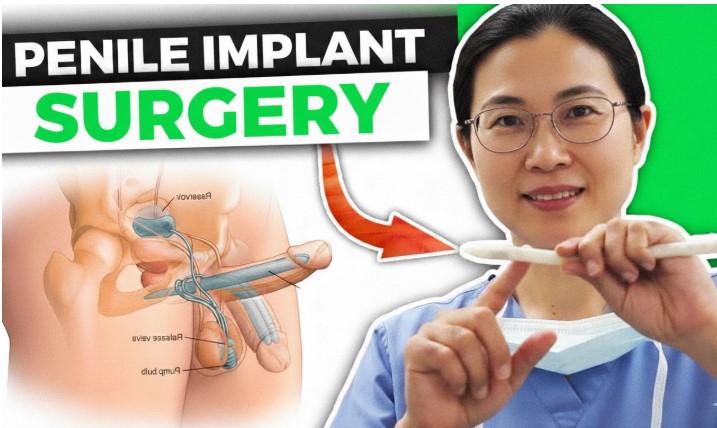
A penile implant is a surgical treatment designed to help men with erectile dysfunction (ED) achieve sufficient penile firmness for sexual intercourse. Also known as a penile prosthesis, this medical device is placed inside the penis and offers a long-term treatment option for men who do not achieve satisfactory results with conventional erectile dysfunction therapies.
Erectile dysfunction can develop because of diabetes, cardiovascular disease, nerve damage, hormonal problems, pelvic surgery, or other medical conditions. For some men, ED can affect self-esteem, intimate relationships, and overall quality of life. Although oral medications and other treatments are effective for many patients, some men require an alternative approach.
Penile implant surgery provides mechanical rigidity through an internal device. Depending on the implant selected, the patient can activate a pump to create firmness or manually position the penis using flexible rods.
This guide covers penile implant types, eligibility, surgical techniques, benefits, risks, recovery, expected results, cost considerations in Pakistan, and answers to common questions.
What Is a Penile Implant?
A penile implant is a medical device surgically inserted into the erectile chambers of the penis to help a man with ED achieve an erection suitable for intercourse.
The implant remains inside the body and is generally not visible externally. Unlike medications that support the body's natural erection response, a penile prosthesis provides rigidity mechanically.
Penile implants are primarily recommended for men with persistent erectile dysfunction when other treatments have failed, are unsuitable, or are not acceptable after appropriate counseling.
It is important to understand that a penile implant does not directly increase sexual desire, guarantee orgasm, or treat every aspect of sexual dysfunction. Its main purpose is to restore the physical firmness required for penetration.
Why Do Men Consider Penile Implant Surgery?
Erectile dysfunction can have physical and emotional consequences. Men may experience frustration, anxiety about sexual performance, reduced confidence, or difficulties with intimacy.
A penile implant may be considered when erectile dysfunction is severe and has not responded adequately to other treatments.
Common reasons for considering an implant include:
-
Persistent erectile dysfunction despite appropriate medication.
-
Diabetes-related damage to the nerves or blood vessels.
-
Erectile dysfunction following prostate or pelvic surgery.
-
Neurological conditions that interfere with normal erections.
-
Peyronie's disease accompanied by significant erectile dysfunction.
-
Unacceptable side effects from other treatments.
-
A preference for a surgical option after understanding the alternatives.
The decision should follow a detailed assessment by a qualified urologist. The patient's health, treatment history, anatomy, expectations, and preferences all play an important role.
Types of Penile Implants
Penile implants are divided into two principal categories: inflatable implants and malleable implants. Both can provide the rigidity needed for sexual intercourse, but they work differently.
1. Inflatable Penile Implant
An inflatable penile implant uses fluid-filled cylinders to create penile firmness. The system typically includes cylinders inside the penis, a pump in the scrotum, and a fluid reservoir, depending on the model.
When the patient wants an erection, the pump transfers fluid into the cylinders. This makes the penis firm enough for sexual activity. After intercourse, the device can be deflated using its release mechanism.
Inflatable implants are available in two main designs.
Three-Piece Inflatable Implant
A three-piece implant includes:
-
Two inflatable cylinders placed inside the penis.
-
A fluid reservoir positioned in the pelvis or abdomen.
-
A pump and release mechanism positioned in the scrotum.
This design generally provides a more natural difference between the inflated and deflated states. It may be appropriate for men who want greater control over rigidity and concealment.
Two-Piece Inflatable Implant
A two-piece implant combines the pump and fluid-storage mechanism into a more compact system. It may be suitable for selected patients whose anatomy, surgical history, or other medical considerations influence the choice of device.
Benefits of inflatable implants
-
The patient can control when the penis becomes firm.
-
The device can be deflated after sexual activity.
-
Concealment is generally more natural when the implant is deflated.
-
It offers flexibility for everyday activities and intimacy.
Limitations of inflatable implants
-
The device has more mechanical components.
-
The patient must learn how to operate the pump.
-
Mechanical failure may eventually require revision surgery.
-
The overall cost is generally higher than that of a malleable implant.
2. Malleable Penile Implant
A malleable penile implant consists of two flexible rods inserted into the erectile chambers of the penis.
The rods provide consistent firmness, but the patient can manually position the penis upward for sexual activity and downward or to the side when concealment is desired.
Benefits of malleable implants
-
A relatively simple mechanical design.
-
No pump or separate fluid reservoir.
-
Fewer moving parts that can malfunction.
-
Straightforward operation for many patients.
-
Potential suitability for men with limited hand dexterity.
Limitations of malleable implants
-
The penis remains relatively firm at all times.
-
Concealment may be less natural.
-
Some patients may find the constant firmness inconvenient.
Inflatable vs. Malleable Penile Implants
| Feature | Inflatable implant | Malleable implant |
|---|---|---|
| Mechanism | Fluid-filled cylinders | Flexible rods |
| Firmness | Can be inflated and deflated | Relatively constant |
| Concealment | Generally more natural when deflated | May be more noticeable |
| Pump | Required | Not required |
| Mechanical complexity | Higher | Lower |
| Cost | Generally higher | Generally lower |
Neither type is universally best. A urologist can help determine which option fits the patient's anatomy, health, dexterity, expectations, and budget.
Who Is Eligible for a Penile Implant?
A penile implant may be suitable for men with persistent ED who have not obtained satisfactory results from less invasive therapies.
Men With Diabetes
Diabetes can damage blood vessels and nerves involved in erections. Men with diabetes may be candidates for implantation if other treatments have failed, although blood sugar control and infection risk must be carefully assessed.
Men With Cardiovascular Conditions
Vascular disease can reduce blood flow to the penis and contribute to ED. Patients with cardiovascular conditions require an assessment of their overall fitness for surgery.
Men After Prostate Surgery
Some men experience lasting erectile dysfunction following prostate cancer surgery or other pelvic procedures. A penile implant may be considered when natural erectile function does not recover sufficiently.
Men With Neurological Conditions
Spinal cord injuries and certain neurological disorders can interfere with the signals needed for an erection. A specialist can determine whether implantation is appropriate for an individual patient.
Men With Peyronie's Disease
Peyronie's disease causes scar tissue within the penis, which may produce curvature, shortening, pain, or difficulty with penetration. When significant ED is also present, implant surgery may be combined with an additional procedure to address curvature.
Men Who Cannot Use Other ED Treatments
Some patients experience unacceptable side effects from medication, cannot safely use certain drugs, or find injections and vacuum devices ineffective or unsuitable. A penile implant may offer an alternative.
An implant is not usually the first treatment offered for ED. Patients should discuss all reasonable treatment options with their urologist before deciding on surgery.
How Does a Penile Implant Work?
A penile implant restores rigidity through a mechanical process.
With an inflatable implant, the patient operates a concealed pump to move fluid into the cylinders inside the penis. The cylinders become firm, supporting penetration. Once sexual activity is complete, the patient uses the device's release mechanism to return it to a deflated state.
With a malleable implant, flexible rods provide consistent firmness, and the patient manually positions the penis as required.
The implant is designed to remain in place during normal daily activities. It does not directly increase libido or guarantee changes in sensation, ejaculation, or orgasm.
Patients receive instructions on operating the device and recognizing potential complications during follow-up appointments.
Benefits of Penile Implant Surgery
For appropriately selected men, penile implant surgery can provide several benefits.
1. Reliable Penile Rigidity
A functioning implant can provide dependable firmness for sexual intercourse when medications or other treatments have not worked adequately.
2. Greater Control Over Intimacy
Inflatable implants allow patients to activate the device when needed and deflate it afterward. This can reduce uncertainty about erection reliability.
3. Long-Term Treatment
Penile implants are designed for long-term use and may remain functional for years. However, mechanical problems, infection, or other complications can require additional surgery.
4. Reduced Reliance on Erectile Dysfunction Medication
A functioning implant generally provides mechanical rigidity without the need for oral ED medication to produce the erection. Patients may still need other medicines for separate conditions.
5. Improved Confidence
More predictable erectile function may help reduce anxiety about sexual performance and support confidence during intimacy.
6. Potential Improvement in Relationship Satisfaction
Successful treatment may help couples resume sexual activity and improve intimacy. Outcomes vary depending on expectations, communication, and overall sexual health.
7. An Option When Other Treatments Fail
For men with severe ED that has not responded to less invasive therapies, an implant can provide another treatment option after appropriate medical assessment.
Does a Penile Implant Increase Penis Size?
A penile implant is intended to restore rigidity, not enlarge the penis.
Some men feel that their penis appears shorter after surgery. This may be related to longstanding ED, changes in erectile tissue, scarring, Peyronie's disease, or differences between a previous natural erection and the firmness achieved with the implant.
Implant surgery does not guarantee an increase in penile length or girth. Before surgery, patients should discuss expected size, appearance, curvature, and realistic outcomes with the surgeon.
Men primarily seeking enlargement rather than treatment for significant erectile dysfunction should obtain specialist advice before considering an implant.
Penile Implant Surgery Procedure
Penile implant surgery is performed by a qualified urologist experienced in prosthetic and reconstructive surgery. The precise technique depends on the implant type, the patient's anatomy, and previous surgical history.
Step 1: Initial Consultation
The urologist reviews the patient's symptoms, medical history, medications, previous ED treatments, and treatment goals.
The assessment may include diabetes control, cardiovascular health, urinary symptoms, penile curvature, and any history of pelvic surgery.
Step 2: Choosing the Implant
The surgeon explains the available devices and discusses their benefits, limitations, costs, and potential complications.
The choice may depend on anatomy, hand dexterity, lifestyle, concealment preferences, and the ability to operate the device.
Step 3: Preoperative Assessment
The medical team may arrange blood tests, urine testing when indicated, and other investigations based on the patient's medical history.
Patients receive instructions about fasting, hygiene, medication adjustments, and transportation after surgery. Blood-thinning medicines and diabetes treatments should only be changed under medical supervision.
Step 4: Anesthesia
The procedure is generally performed under general or spinal anesthesia, depending on the patient's health and the anesthetic team's recommendation.
Step 5: Implant Placement
The surgeon makes an incision at an appropriate location, commonly near the base of the penis or in the area between the penis and scrotum.
The erectile chambers are prepared, and the implant cylinders or rods are inserted. For an inflatable device, the pump and reservoir are also positioned.
The surgeon checks the device's positioning and function before closing the incision.
Step 6: Postoperative Monitoring
Following surgery, the patient is monitored while recovering from anesthesia. Pain, swelling, wound condition, mobility, and urination are assessed as appropriate.
Some patients return home on the same day, while others require an overnight hospital stay.
Step 7: Follow-Up and Training
Follow-up visits allow the surgeon to assess healing and teach the patient how to operate the device.
Inflatable implants are commonly activated for training after sufficient healing, often around four to six weeks after surgery. The exact timing depends on the surgeon's instructions.
Recovery After Penile Implant Surgery
Recovery depends on the implant type, surgical technique, general health, and individual healing.
First 72 Hours
Swelling, bruising, soreness, and tenderness are common. Patients should rest, take prescribed medicines as directed, and follow the medical team's wound-care instructions.
The implant should not be manipulated or activated unless specifically instructed.
First One to Two Weeks
Discomfort generally begins to improve. Light walking may be encouraged, but heavy lifting, strenuous exercise, cycling, and activities that put pressure on the surgical area should be avoided until approved by the surgeon.
Weeks Three to Six
Healing continues, and patients gradually return to normal daily activities as advised by their medical team.
The surgeon may demonstrate how to inflate and deflate the device or position a malleable implant.
Resuming Sexual Activity
Many patients are advised to wait approximately four to six weeks before resuming intercourse. The appropriate timing depends on healing and medical clearance.
Patients should not resume sexual activity simply because discomfort has improved. The surgeon should confirm that the incision has healed adequately and the implant can be used safely.
Risks and Possible Complications
Although penile implant surgery is an established treatment, it carries risks that should be understood before proceeding.
Infection
Infection is one of the most important complications because the implant is a foreign device. Symptoms may include fever, increasing pain, redness, swelling, or drainage from the wound.
Some infections require antibiotics, while more serious cases may require removal or revision of the implant.
Bleeding and Bruising
Bruising, swelling, and bleeding may occur after surgery. Significant or persistent bleeding requires medical assessment.
Mechanical Failure
Inflatable implants contain components that can wear out or malfunction. A problem with the pump, cylinders, or reservoir may require revision or replacement surgery.
Persistent Pain
Pain generally improves during recovery. Persistent or worsening discomfort should be evaluated for infection, device positioning problems, or other complications.
Changes in Sensation
The implant is designed to restore rigidity rather than directly alter sensation. Nevertheless, individual patients may experience changes in penile sensation after surgery.
Erosion or Tissue Injury
In uncommon cases, the device may erode into surrounding tissue or cause injury to adjacent structures. Prompt specialist assessment is necessary if this is suspected.
Anesthesia-Related Complications
Potential risks include reactions to anesthesia, blood clots, and complications related to existing medical conditions.
Dissatisfaction With Results
Some patients may be dissatisfied with penile length, appearance, concealment, or device function. Careful counseling and realistic expectations are essential.
Appropriate patient selection, surgical expertise, infection-prevention measures, and follow-up can help reduce complications but cannot eliminate every risk.
How Long Does a Penile Implant Last?
A penile implant is designed for long-term use, but it is not guaranteed to last for life.
Many devices remain functional for years. Their lifespan depends on the implant type, mechanical wear, individual anatomy, and whether complications develop.
Inflatable devices may eventually develop fluid leaks, pump problems, or other mechanical failures. Malleable implants can also require revision due to structural damage, erosion, or other complications.
Patients should discuss the possibility of future revision or replacement surgery before proceeding.
Does a Penile Implant Look Natural?
Most implant components are concealed inside the body.
With an inflatable implant, the penis generally becomes softer when deflated and firmer when inflated. A malleable implant remains relatively firm, which can make concealment more challenging for some men.
The final appearance depends on anatomy, implant type, existing curvature or scarring, and the surgical result.
Patients should discuss expectations about penile length, appearance, firmness, and concealment with the urologist before surgery.
Penile Implant Cost in Pakistan
The cost of penile implant surgery varies depending on the device, manufacturer, surgeon's fee, hospital facilities, anesthesia, and postoperative care.
Prices may differ between Lahore, Multan, Karachi, Islamabad, and other cities in Pakistan.
The total cost may include:
-
The implant device.
-
The surgeon's professional fee.
-
Hospital and operating-room charges.
-
Anesthesia.
-
Preoperative tests.
-
Medicines and follow-up appointments.
-
Management of complications or future revision surgery, if required.
Inflatable implants generally cost more than malleable implants because they contain more complex components.
What Should Patients Ask About Pricing?
Before proceeding, patients should request a written quotation and confirm whether it includes the device, hospital stay, anesthesia, follow-up appointments, and postoperative care.
They should also ask about the implant manufacturer and model, warranty provisions where applicable, and arrangements for managing complications.
Choosing a provider based only on the lowest advertised price may overlook important considerations such as surgical expertise, infection prevention, and long-term support.
Because costs vary between providers, patients should obtain a current quotation directly from the hospital or surgical center.
Penile Implant Consultation at Dot Clinics in Lahore and Multan
Men seeking erectile dysfunction treatment at Dot Clinics in Lahore or Multan, Pakistan, should begin with a medical consultation to understand their symptoms and identify suitable treatment options.
An ED assessment may involve reviewing medical history, current medications, diabetes control, cardiovascular risk factors, hormonal concerns when indicated, and previous treatment attempts.
Patients interested in penile implant surgery should confirm directly whether the relevant Dot Clinics location offers this procedure or provides referral to a qualified urologist or prosthetic surgery center. Availability of a particular implant, surgeon, and surgical facility should not be assumed without confirmation.
Depending on the patient's circumstances, treatment may include lifestyle changes, medication, counseling, other ED therapies, or referral for penile prosthesis surgery.
A personalized treatment plan should explain expected benefits, risks, costs, and postoperative follow-up before a decision is made.
Frequently Asked Questions About Penile Implants
1. What is a penile implant used for?
A penile implant helps men with persistent erectile dysfunction achieve sufficient penile rigidity for intercourse when other treatments have not provided satisfactory results.
2. Is penile implant surgery permanent?
The implant is designed for long-term use, but it may eventually malfunction or develop complications requiring revision or replacement surgery.
3. Can men with diabetes get a penile implant?
Yes. Many men with diabetes can be candidates, but blood sugar control, infection risk, cardiovascular health, and other medical factors should be assessed before surgery.
4. Does a penile implant increase penis size?
No. The main purpose is to restore rigidity, not increase penile length or girth.
5. Can a man urinate normally after surgery?
The implant is designed to treat ED and generally does not interfere with urination. New or persistent urinary symptoms should be assessed by a clinician.
6. Does a penile implant affect sexual sensation?
Many men retain their existing sensation, but individual results vary. The implant primarily addresses rigidity rather than sensation.
7. Can a man ejaculate after penile implant surgery?
Many men can continue to ejaculate if they could do so before surgery. The implant does not directly correct ejaculation problems caused by other conditions.
8. How long does recovery take?
Initial healing takes place over the first few weeks. Many patients receive clearance to resume sexual activity around four to six weeks after surgery, depending on recovery and medical advice.
9. Is penile implant surgery safe?
It is an established procedure, but potential complications include infection, bleeding, pain, erosion, and mechanical failure. A qualified urologist can explain the risks for each patient.
10. Can a penile implant be removed?
Yes. Removal or replacement is possible when medically necessary, but it requires surgery and may make future reconstruction more complex.
11. Which is better: an inflatable or malleable implant?
Neither is best for every patient. Inflatable devices provide greater control over rigidity, while malleable devices have a simpler design. The choice depends on health, anatomy, dexterity, preferences, and budget.
12. Does a penile implant increase sexual desire?
No. It treats the physical difficulty of achieving sufficient penile rigidity. Low sexual desire may require separate assessment.
13. How much does penile implant surgery cost in Pakistan?
The cost depends on the implant, surgeon, hospital, and services included in the treatment package. Patients should request a current, itemized quotation from their provider.
14. Can a penile implant fail?
Yes. Mechanical failure, infection, erosion, and other complications may occur. Some problems require revision or replacement surgery.
15. Is a penile implant suitable for younger men?
Age alone does not determine suitability. The cause and severity of ED, previous treatments, general health, expectations, and possibility of future revision surgery are important considerations.
Conclusion
A penile implant is an established surgical option for men with persistent erectile dysfunction who have not achieved satisfactory results with less invasive treatments. It can provide reliable penile rigidity and may help improve sexual confidence and quality of life for appropriately selected patients.
Inflatable and malleable implants offer different advantages. Inflatable devices allow greater control over firmness and concealment, while malleable devices have a simpler design and may be easier for some patients to operate.
Before choosing surgery, men should understand the benefits, limitations, risks, recovery requirements, and financial implications. Consulting an experienced urologist helps determine whether a penile implant is appropriate or whether another treatment may be more suitable.
With realistic expectations, careful planning, and individualized medical care, penile implant surgery can be a valuable long-term treatment option for men affected by erectile dysfunction.
Medical disclaimer: This article is intended for educational purposes only. It does not replace professional medical advice, diagnosis, or treatment. Men experiencing erectile dysfunction should consult a qualified healthcare professional for an individualized assessment.

 Polish
 English
 Arabic
 French
 Spanish
 Portuguese
 Deutsch
 Turkish
 Dutch
 Russian
 Romaian
 Portuguese (Brazil)
 Greek