
Steel Rust Protection: Smart Strategies for Preserving Industrial Metal Components
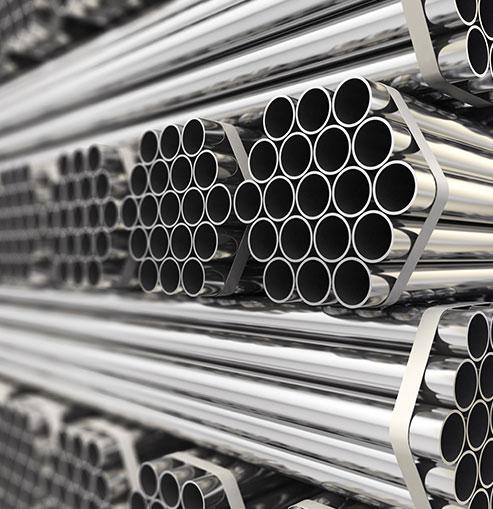
Steel plays an essential role in manufacturing plants, engineering workshops, construction projects, and automotive production. Its strength makes it suitable for demanding applications, but exposure to moisture and aggressive environmental conditions can gradually damage its surface. For businesses that handle metal components daily, developing an effective steel rust protection strategy is important for maintaining product quality and reducing unnecessary material waste.
Why Does Steel Need Proper Corrosion Protection?
Steel contains iron, which can react with oxygen and moisture to form rust. This process may begin with small surface spots and gradually affect larger areas when conditions favour corrosion. Components stored near water sources, handled with damp equipment, or transported through humid environments can face an increased risk.
Rust can also create practical difficulties during manufacturing. Corroded surfaces may require additional cleaning or rework before painting, assembly, or further processing. Establishing preventive measures before rust appears can help businesses avoid these complications.
Five Practical Ways to Protect Steel from Rust
1. Select a Rust Preventive Based on Application Needs
Rust preventive products are designed to help protect metal surfaces against corrosive conditions. However, their suitability depends on the application. Components awaiting assembly may require temporary protection, while spare parts kept in storage may need protection for a longer period.
Rust preventive oils can create a protective film that limits contact between the steel surface and moisture. When selecting a product, consider the required protection period, application method, storage environment, and ease of removal before subsequent operations.
2. Keep Metal Surfaces Free from Contaminants
Surface contamination can interfere with the effectiveness of corrosion protection. Dust, machining residues, fingerprints, and leftover processing fluids may affect how a protective product spreads across a component.
Before applying a rust preventive, inspect the metal surface and clean it using a compatible cleaning solution. Proper preparation helps establish a more consistent protective layer and supports better results during storage and handling.
3. Protect Components During Transportation
Steel parts may encounter changing temperatures, condensation, and humid conditions while being transported. These environmental changes can increase the possibility of corrosion, particularly when components are packed before they are completely dry.
Use appropriate protective packaging and make sure the selected rust prevention method is suitable for the expected transportation conditions. Packaging materials should also be compatible with the protective treatment and the metal components.
4. Improve Inventory and Warehouse Management
Good warehouse practices are an important part of rust prevention. Storing steel parts directly on damp floors or close to areas where water accumulates can increase corrosion risks.
Keep components in suitable storage locations and avoid unnecessary exposure to moisture. Arrange inventory so that parts can be inspected without difficulty. Regular checks can help identify early signs of rust, damaged packaging, or changing storage conditions before the problem becomes more extensive.
5. Choose Protective Treatments Carefully
Different steel applications require different levels of corrosion resistance. Paints, specialised coatings, oil-based products, and water-based rust preventives may all be useful under appropriate conditions.
The choice should reflect the metal type, intended use, exposure level, and requirements of later manufacturing processes. Product compatibility should always be verified, especially when components will undergo painting, welding, machining, or assembly after protection.
Common Mistakes That Can Reduce Rust Protection
Even when businesses use corrosion prevention products, certain practices can limit their effectiveness. Applying a product to a contaminated surface, ignoring moisture during packaging, or selecting a formulation without considering storage duration can leave components vulnerable.
Another common mistake is assuming that indoor storage automatically prevents rust. Humidity and condensation can still affect metal surfaces inside warehouses and manufacturing facilities.
A consistent inspection schedule, correct application procedures, and appropriate product selection can help address these issues. Staff should follow the product manufacturer's instructions and maintain suitable handling practices throughout the production cycle.
How Zavenir Daubert Contributes to Industrial Metal Protection
Zavenir Daubert focuses on corrosion protection and metalworking solutions for industrial applications. Manufacturers can explore suitable products according to their metal treatment processes, component requirements, and storage conditions.
Selecting an appropriate rust prevention approach can help businesses maintain the condition of steel parts between manufacturing stages and support more organised production practices. To learn more about available industrial solutions, visit the Zavenir Daubert website.
Conclusion
Reliable steel rust protection begins with understanding how corrosion develops and identifying where metal components are most exposed to moisture. Cleaning surfaces, selecting suitable preventive products, using protective packaging, and maintaining controlled storage conditions can all contribute to better corrosion management.
Rather than relying on a single method, businesses should develop a protection strategy that fits their materials and operational requirements. Consistent preventive practices can help preserve steel quality, reduce avoidable rework, and maintain component readiness for future use.

 Polish
 English
 French
 Spanish
 Portuguese
 Deutsch
 Turkish
 Dutch
 Italiano
 Russian
 Romaian
 Portuguese (Brazil)
 Greek