
What Are Commercial Hydroseeding Services and Why Your Business Needs Them
A healthy, green landscape can make a strong first impression on customers, employees, visitors, and potential business partners. For commercial properties, maintaining attractive outdoor spaces is about more than appearance. Healthy grass can help reduce soil erosion, improve the usability of outdoor areas, and create a welcoming environment around offices, retail centers, industrial facilities, and other business locations. However, establishing a reliable lawn across a large property can be challenging when traditional seeding methods produce uneven growth or require extensive labor.
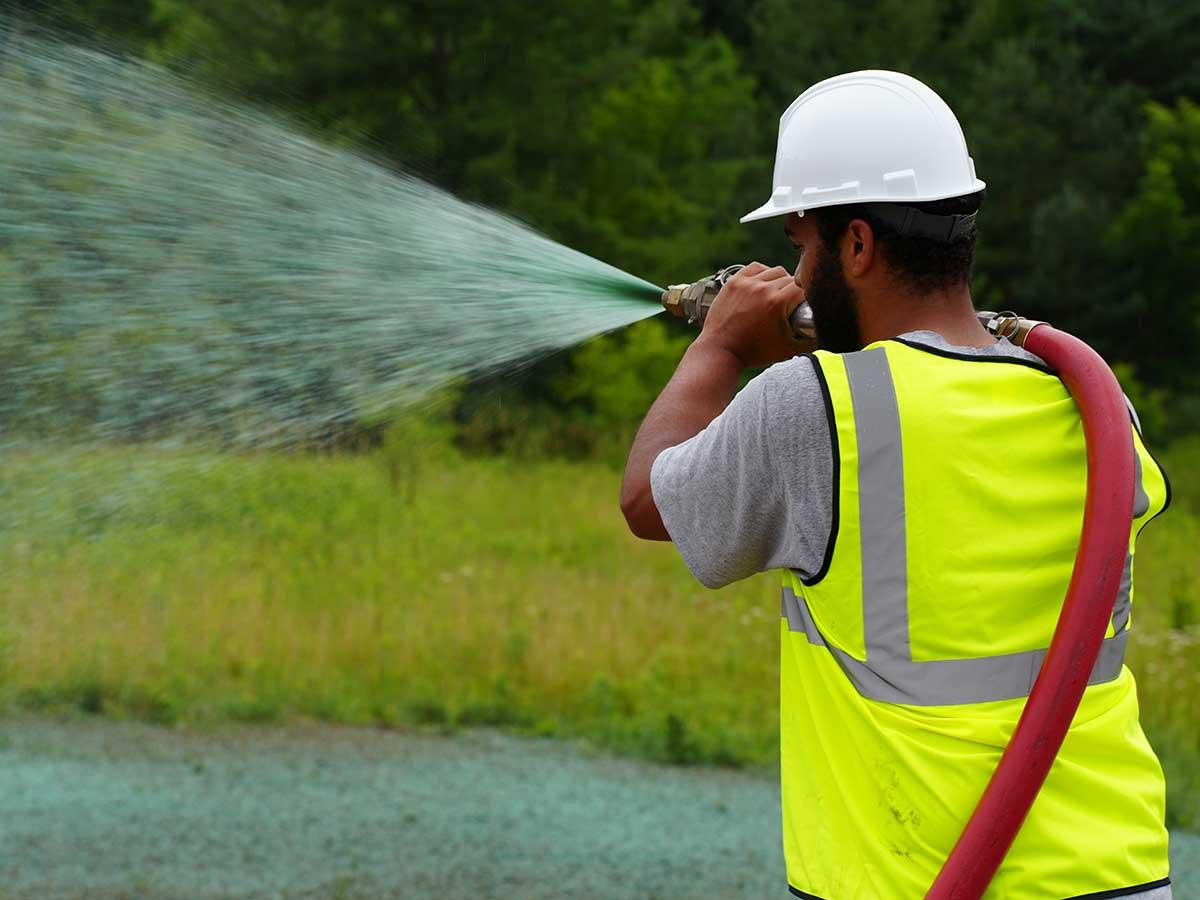
This is where commercial hydroseeding services offer a practical solution. Hydroseeding is a method of planting grass by spraying a carefully prepared mixture of seed, water, mulch, and other suitable materials onto prepared soil. The mixture helps distribute seeds across the designated area and supports moisture retention during germination. When planned and applied correctly, hydroseeding can help businesses establish grass efficiently across large or uneven landscapes. Understanding how the process works, what it costs, and when it is most effective can help property owners make informed landscaping decisions.
What Are Commercial Hydroseeding Services?
The mixture typically contains grass seed, water, fiber mulch, and a tackifier or other suitable additive when needed. Fertilizer may also be included based on soil conditions, seed requirements, and the recommendations of the landscaping professional performing the work. Commercial hydroseeding services involve applying a water-based seed mixture to soil across business properties, construction sites, public spaces, and other large outdoor areas. The mixture is sprayed evenly over prepared ground using specialized hydroseeding equipment.
Unlike conventional dry seeding, hydroseeding combines several materials into one application, helping distribute seed more consistently across suitable surfaces. The mulch component helps retain moisture around the seed and can reduce the impact of rainfall on exposed soil. Although results depend on preparation, weather, irrigation, and seed selection, hydroseeding can be an effective option for covering expansive areas without installing mature sod.
Businesses can use this method for office parks, shopping centers, business campuses, roadside landscapes, sports facilities, and commercial construction projects. It is also suitable for certain disturbed areas that need vegetation after grading or excavation. The most appropriate seed mixture depends on the property's climate, soil type, sun exposure, expected foot traffic, and intended use. A professional assessment helps ensure that the selected materials support long-term grass establishment rather than simply producing temporary green coverage.
How Does the Commercial Hydroseeding Process Work?
Successful hydroseeding begins with proper site preparation. The contractor evaluates the soil, drainage, slope, existing vegetation, and environmental conditions before preparing the area for planting. Depending on the site, preparation may involve removing weeds and debris, loosening compacted soil, correcting grading issues, and adding suitable topsoil or soil amendments. Addressing these conditions before application gives grass seed a better opportunity to establish roots and grow evenly.
Once the ground is prepared, the contractor selects an appropriate grass seed blend and mixes it with water, mulch, and any necessary additives in a hydroseeding tank. The mixture is then sprayed over the designated area using hoses or specialized application equipment. Operators must apply the material at an appropriate rate and maintain reasonably consistent coverage, especially around slopes, edges, and areas with different soil conditions. Proper application helps reduce bare patches and supports more uniform germination.
After application, the property must receive appropriate care while the seeds germinate and establish. This usually includes keeping the seedbed consistently moist without creating standing water or washing away the mixture. Watering frequency depends on temperature, rainfall, soil characteristics, and the grass species selected. The contractor may also recommend limiting foot traffic, postponing mowing until the grass reaches a suitable height, and monitoring emerging growth. Following these instructions is essential because even a well-applied hydroseed mixture can fail when the seedbed dries out or experiences excessive runoff.
Key Benefits of Commercial Hydroseeding for Businesses
One of the biggest advantages of commercial hydroseeding is its ability to cover large areas efficiently. Businesses developing new properties or renovating existing landscapes can benefit from applying seed across extensive lawns, roadside areas, and open grounds in a relatively short period. Compared with manually spreading seed, hydraulic application can provide more consistent distribution when the site is properly prepared and the equipment is operated correctly. This efficiency can help contractors coordinate landscaping with other construction activities and reduce unnecessary delays.
Another important benefit is moisture retention and surface protection. The mulch used in hydroseeding helps keep the seedbed moist, which supports germination when watering and weather conditions are suitable. The applied mixture can also reduce soil movement caused by raindrop impact and help protect exposed ground while grass becomes established. For commercial properties with graded land or moderate slopes, these advantages can contribute to a more stable landscape. However, steep slopes, concentrated water flow, and highly erodible soil may require additional erosion-control measures.
Hydroseeding can also offer flexibility in landscape planning. Property managers can choose grass varieties suited to local conditions, including areas with full sunlight, partial shade, or specific maintenance requirements. A well-selected seed mixture can help create a consistent appearance around entrances, parking areas, office buildings, and recreational spaces. Because the method uses seed rather than mature turf, it is often more affordable than installing sod across a large area, although actual costs depend on preparation, materials, accessibility, and project size.
Which Commercial Properties Can Benefit From Hydroseeding?
Commercial hydroseeding is useful for a wide range of property types. Office complexes can use it to establish green lawns around buildings, walkways, and employee outdoor areas. Retail centers can improve the appearance of landscaped entrances and open spaces, while industrial properties can revegetate suitable ground surrounding facilities. Construction companies may also use hydroseeding on completed sections of a project to establish vegetation and support site stabilization. The key is choosing the right application for the property's intended use and environmental conditions.
New construction projects are particularly well suited to hydroseeding because grading and excavation often leave large areas of exposed soil. Once construction activities are complete in a designated section, contractors can prepare the seedbed and apply an appropriate mixture to encourage vegetation growth. This approach can support landscape restoration while helping control surface erosion. Property developers should coordinate the work with drainage installation, final grading, and other site improvements to avoid disturbing newly seeded areas before the grass becomes established.
Hydroseeding can also be considered for selected residential lawns, making searches for residential hydroseeding near me relevant to homeowners who want an alternative to traditional seeding or sod installation. Although residential projects are generally smaller, the same principles apply: soil preparation, suitable seed selection, proper application, and consistent aftercare all influence the outcome. Homeowners and commercial property managers alike should compare service providers based on experience, materials, and maintenance guidance rather than choosing a contractor solely because of the lowest initial quote.
Hydroseeding vs. Traditional Seeding and Sod Installation
Choosing between hydroseeding, traditional seeding, and sod depends on the project's budget, schedule, site conditions, and desired results. Traditional broadcast seeding may be suitable for smaller, relatively level areas where the soil can be prepared effectively. It can be economical, but uneven distribution, wind, rainfall, and insufficient seed-to-soil contact may affect establishment. Hydroseeding offers a practical alternative for larger areas because the seed is distributed in a water-based mixture containing mulch and other selected materials.
Sod installation provides an immediate covering of established grass, making it attractive for properties that need a finished appearance quickly. However, purchasing, transporting, and installing sod across extensive commercial grounds can require a considerably larger investment. Hydroseeding generally takes longer to produce a usable lawn because the grass must germinate and develop roots before it can tolerate regular use. Businesses should therefore balance their landscaping deadlines against the potential cost savings of growing grass from seed.
No single method is ideal for every project. A professional contractor can assess the property and recommend the most suitable approach for different areas. For example, hydroseeding may work well across broad open grounds, while sod may be more appropriate for a small entrance that must look finished immediately. Areas with severe drainage problems, heavily compacted soil, or steep slopes may require additional preparation or specialized erosion-control treatments before any seeding method can succeed.
How Much Do Commercial Hydroseeding Services Cost?
The cost of commercial hydroseeding varies according to several factors, so businesses should request a site-specific estimate before setting a landscaping budget. The total area to be covered is one of the main considerations, but it is not the only one. Contractors may also account for the amount of seed and mulch required, site accessibility, soil condition, slope, equipment needs, and the amount of labor involved. Properties that require extensive grading, weed removal, topsoil replacement, or drainage improvements will generally need more preparation than sites with ready-to-seed soil.
The selected seed mixture can also influence the overall price. Grass varieties designed for particular climates, shade conditions, or functional requirements may have different material costs. Additional erosion-control products, soil amendments, and follow-up services can increase the initial investment but may be appropriate for challenging sites. Businesses should compare written estimates carefully to understand whether soil preparation, seed and mulch, application, watering instructions, and any follow-up work are included in the quoted price.
A reliable estimate should explain the work involved rather than simply provide a price per acre or square foot. Ask the contractor how the site will be prepared, which seed varieties will be used, what conditions could affect germination, and whether the proposal includes any erosion-control measures. It is also sensible to clarify warranty terms, if offered, and what happens if certain areas fail to establish. Transparent pricing helps property owners evaluate value and avoid unexpected expenses during the project.
How to Choose the Right Hydroseeding Contractor
Selecting an experienced contractor is an important step toward achieving healthy, long-lasting grass. Look for a company that understands local growing conditions, soil preparation, seed selection, irrigation requirements, and erosion control. Ask about previous commercial projects similar in size and complexity to yours, and request examples of completed work where available. A knowledgeable provider should be able to explain the proposed process in straightforward terms and identify any site conditions that could affect the results.
Before hiring a contractor, confirm that the proposal clearly describes the scope of work, materials, application rates, preparation requirements, and expected maintenance responsibilities. Ask how the company determines the appropriate seed blend and how it adjusts its approach for slopes, shaded areas, or different soil types. You should also discuss the expected germination period, watering schedule, and restrictions on foot traffic or equipment during establishment. These details help ensure that everyone understands what successful completion involves.
It is equally important to consider communication and ongoing support. A dependable contractor should explain the limitations of hydroseeding instead of promising instant results or guaranteed growth under every condition. Germination and establishment depend on temperature, moisture, seed quality, soil conditions, and proper care after application. By choosing a provider that prioritizes site assessment and practical recommendations, businesses can make better-informed decisions and improve their chances of achieving a healthy landscape.
Is Commercial Hydroseeding the Right Choice for Your Business?
Commercial hydroseeding services can be a valuable investment for businesses seeking an efficient way to establish grass across large outdoor areas. The method combines seed, water, and mulch in a single application, helping distribute planting materials while supporting moisture retention and surface protection. When the site is prepared correctly and the selected seed matches local conditions, hydroseeding can provide an economical alternative to sod for many commercial landscaping projects.
The best results come from treating hydroseeding as part of a complete landscape plan rather than a standalone application. Soil preparation, grading, drainage, irrigation, and maintenance all contribute to successful grass establishment. Business owners should evaluate the property's needs, compare available seeding methods, and choose a qualified contractor who provides a clear scope of work and realistic expectations.
Whether you are improving an office campus, restoring a construction site, or developing a new commercial property, the right approach can help create attractive and functional outdoor spaces. With careful planning and appropriate aftercare, hydroseeding can support a healthier landscape, improve the appearance of your business premises, and help maintain valuable green areas over time.

 Polish
 English
 Arabic
 French
 Spanish
 Portuguese
 Deutsch
 Turkish
 Dutch
 Italiano
 Russian
 Portuguese (Brazil)
 Greek