
Peyronie’s Disease: Why Penile Curvature Happens and What Treatments Are Available?
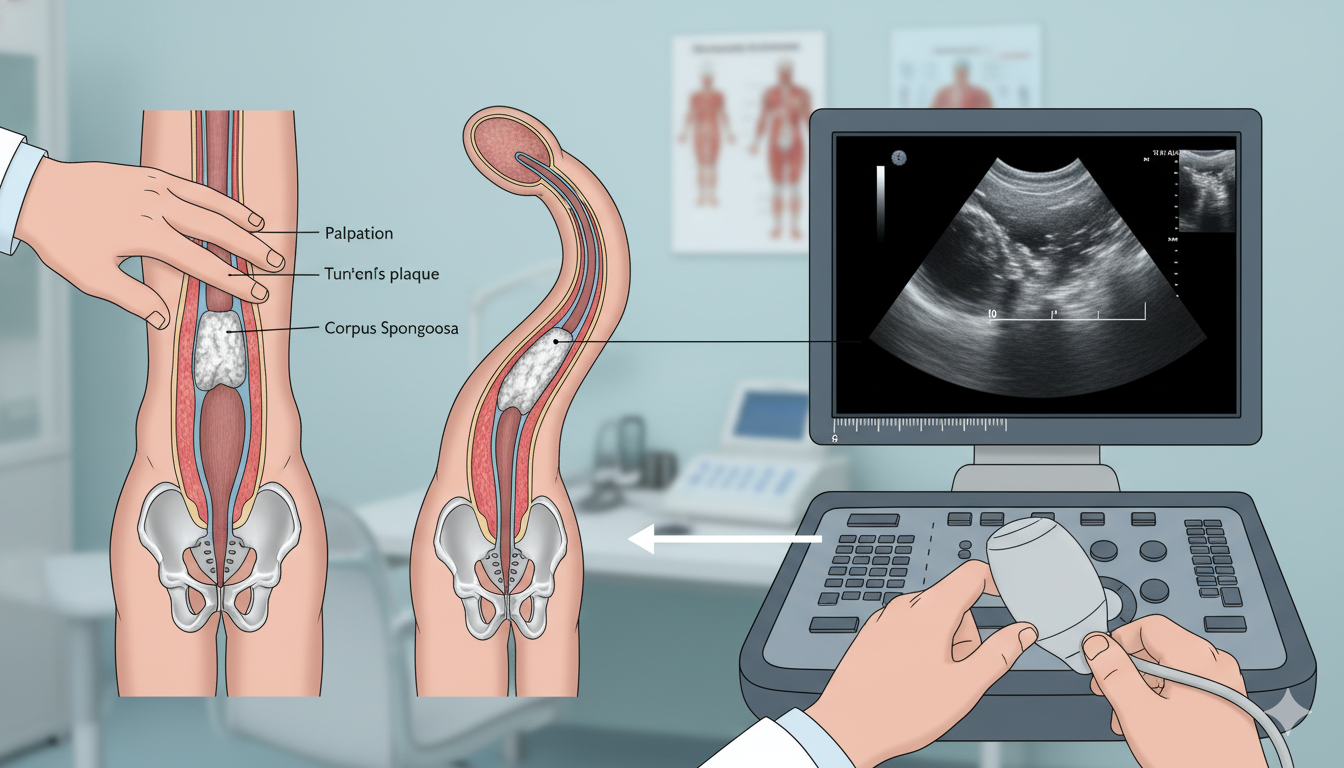
Peyronie’s disease is a condition that causes the penis to develop an abnormal curve or bend, particularly during an erection. It occurs when fibrous scar tissue forms inside the penis, affecting its ability to expand evenly. Depending on the severity, this condition can cause pain, penile shortening, changes in shape, erectile dysfunction, and difficulty with sexual intercourse.
For many men, noticing a sudden change in penile shape can be confusing or concerning. Some may experience a mild curve that does not interfere with sexual activity, while others develop more significant deformities that affect their confidence and intimate relationships.
Although Peyronie’s disease can be distressing, effective management options are available. Treatment may include monitoring, pain relief, penile traction therapy, selected injections, or surgery, depending on the patient's symptoms and medical assessment.
This article explains Peyronie’s disease in detail, including its causes, early warning signs, diagnosis, treatment options, possible complications, and practical advice for maintaining sexual health.
What Is Peyronie’s Disease?
Peyronie’s disease is a disorder involving the formation of fibrous scar tissue, known as plaque, in the tunica albuginea, the tough membrane surrounding the erectile chambers of the penis.
During an erection, these chambers fill with blood and expand. When a plaque develops in part of the surrounding membrane, the affected area may lose flexibility and fail to stretch normally. This uneven expansion causes the penis to bend toward the scarred area.
The direction of the curve varies. Some men develop an upward bend, while others experience downward or sideways curvature. The condition may also produce indentation, narrowing, an hourglass-shaped appearance, or a hinge-like deformity.
Peyronie’s disease can occur with or without erectile dysfunction. Some men maintain normal erections but experience noticeable curvature, while others have difficulty achieving or maintaining sufficient rigidity.
It is important to distinguish Peyronie’s disease from congenital penile curvature, which is generally present from early life. Peyronie’s disease typically develops later and may change over time.
The condition is not cancerous, is not contagious, and is not generally considered a sexually transmitted disease.
What Causes Penile Curvature in Peyronie’s Disease?
The precise cause of Peyronie’s disease is not fully understood. However, abnormal wound healing appears to play an important role in plaque development.
1. Minor Penile Injuries
Small injuries can occur when the erect penis bends unexpectedly during sexual intercourse or other physical activities. Such injuries may damage tissue surrounding the erectile chambers.
In some men, the healing response produces excessive fibrous tissue instead of restoring the normal structure. Over time, the resulting plaque may interfere with the penis's ability to expand evenly.
Not every affected man remembers a specific injury. Minor trauma may occur without obvious pain, bruising, or swelling.
2. Abnormal Collagen Production
Collagen is a structural protein that helps maintain the strength of connective tissue. During normal wound healing, collagen production is regulated to repair damaged areas.
In Peyronie’s disease, abnormal scar formation may result in excessive collagen deposition and a plaque that restricts tissue flexibility. This can lead to curvature, shortening, or other changes in penile shape.
3. Genetic Predisposition
Some men may have a genetic tendency toward abnormal scar formation. A family history of Peyronie’s disease or certain connective tissue disorders may increase susceptibility, although many patients have no known family history.
4. Connective Tissue Disorders
Peyronie’s disease is associated with Dupuytren’s contracture, a condition that causes thickening and tightening of tissue in the palm of the hand.
This association suggests that some individuals may be predisposed to fibrous tissue changes in different areas of the body.
5. Age and General Health
Peyronie’s disease is more commonly diagnosed in middle-aged and older men, although younger adults can also develop it.
Diabetes, cardiovascular disease, smoking, and other health concerns may coexist with the condition and affect erectile function. However, these factors should not automatically be considered direct causes of Peyronie’s plaque formation.
Early Signs and Symptoms of Peyronie’s Disease
Recognizing changes early can help men seek appropriate assessment and understand their treatment options.
A Newly Developed Penile Curve
A noticeable bend during an erection is one of the characteristic symptoms. The curve may develop gradually or become more pronounced over time.
A Firm Lump Beneath the Skin
Some men notice a hard area or plaque along the penile shaft. It may be easier to feel in certain positions or when the penis is flaccid.
Pain During Erections
Pain may occur while the plaque is developing. Discomfort can range from mild tenderness to significant pain that interferes with sexual activity.
Pain often improves as the disease stabilizes, but the curvature may remain.
Changes in Penile Length
Some men notice that the penis appears shorter during an erection. This may occur because the scar tissue restricts normal expansion.
Narrowing or Indentation
Peyronie’s disease can cause a narrowed section of the penile shaft or an hourglass-shaped appearance. Severe deformity may produce instability during an erection.
Erectile Dysfunction
Difficulty achieving or maintaining an erection can occur alongside Peyronie’s disease. This may be associated with vascular problems, psychological distress, structural changes, or other underlying health conditions.
Sexual and Emotional Difficulties
Curvature, pain, and changes in appearance can make sexual intercourse uncomfortable or difficult. Some men also experience anxiety, reduced confidence, or relationship stress.
These symptoms deserve attention, and patients should not feel embarrassed about discussing them with a qualified healthcare professional.
The Two Main Phases of Peyronie’s Disease
Understanding the stage of Peyronie’s disease helps a urologist determine which treatments may be appropriate.
Active Phase
During the active phase, the plaque is developing and the shape of the penis may continue to change. Pain during erections is relatively common, and curvature can worsen over several months.
Management may focus on pain relief, monitoring changes, and assessing erectile function.
Stable Phase
During the stable phase, the curvature and deformity have stopped changing significantly. Pain often decreases or disappears, although the plaque and bend may remain.
Treatments aimed at correcting persistent curvature, including selected injections or surgery, may be considered according to the patient's clinical circumstances.
Doctors generally look for at least three to six months of stable deformity before considering reconstructive surgery, alongside other criteria such as the duration of symptoms and the patient's erectile function.
How Do Doctors Diagnose Peyronie’s Disease?
A urologist usually evaluates Peyronie’s disease through a combination of medical history, physical examination, and selected diagnostic tests.
Medical History
The doctor may ask when the curvature first appeared, whether it has changed, and whether erections are painful. Previous penile injuries, erectile dysfunction, medical conditions, and difficulties with sexual intercourse may also be discussed.
Physical Examination
The urologist examines the penis for plaques, thickened areas, tenderness, and other abnormalities. The examination may also help assess penile length and associated connective tissue conditions.
Photographs of the Erect Penis
Photographs taken from appropriate angles may help document the direction and degree of curvature. They can also be useful for comparing changes over time.
Penile Ultrasound
Ultrasound can help identify plaque location and calcification. Doppler ultrasound may be used when the doctor needs to assess penile blood flow, particularly in men with erectile dysfunction.
Erection Assessment
In selected cases, medication may be administered in a clinical setting to produce an erection. This allows the doctor to evaluate curvature more objectively and plan treatment.
Not every patient requires every test. The diagnostic approach depends on the symptoms, examination findings, and potential treatment options.
Treatment Options for Peyronie’s Disease
Treatment depends on the severity of curvature, pain, the stability of the condition, erectile function, and the patient's goals.
Some men with mild curvature and satisfactory sexual function may not need active treatment. Others may benefit from nonsurgical therapies or surgery.
1. Observation and Follow-Up
Observation may be appropriate when curvature is mild, pain is minimal or absent, erections are satisfactory, and sexual intercourse is not significantly affected.
Regular follow-up allows the doctor to monitor changes in curvature, pain, penile length, and erectile function.
2. Pain Management
A doctor may recommend an appropriate anti-inflammatory medication to relieve pain during the active phase.
These medicines can reduce discomfort but do not reliably remove the plaque or correct penile curvature. They may not be suitable for people with certain kidney, stomach, cardiovascular, or bleeding conditions.
3. Oral Medication and Supplements
There is no oral medication that has been reliably established as an effective treatment for correcting Peyronie’s curvature.
Vitamin E and several other oral agents have been studied, but they are not considered proven treatments for correcting the deformity.
Medication may still be useful for associated conditions, including erectile dysfunction, when prescribed after medical assessment.
4. Penile Traction Therapy
Penile traction therapy involves using a medical device to apply controlled stretching to the penis for prescribed periods.
In selected patients, traction may improve curvature or help preserve or recover some penile length. The results vary depending on the device, treatment protocol, adherence, and individual condition.
Consistent use may be required over several months. Patients should receive professional guidance on device selection, duration, technique, and safety. Forceful stretching and improvised devices should be avoided.
5. Plaque Injection Therapy
Some treatments involve injecting medication directly into the fibrous plaque.
Collagenase clostridium histolyticum: This enzyme helps break down components of the plaque. It can improve curvature in appropriately selected patients, although complete straightening is not guaranteed. Approval and availability vary by country.
Potential complications include bruising, swelling, and rare but serious penile injury. Treatment should be performed by a clinician experienced in its use.
Verapamil: Verapamil injections have been used to treat Peyronie’s plaque, but evidence supporting their effectiveness is limited.
Interferon alfa-2b: This treatment has also been studied for selected patients, although suitability and availability vary.
The choice of injection should be based on clinical assessment, evidence, local availability, and an informed discussion of the risks and benefits.
6. Shockwave Therapy
Extracorporeal shockwave therapy has been studied for Peyronie’s disease and may help reduce penile pain in some patients.
However, it has not been established as a reliable treatment for correcting curvature or reducing plaque size. Patients should be cautious about claims that shockwave therapy provides a permanent cure.
7. Vacuum Erection Devices
Vacuum erection devices use negative pressure to draw blood into the penis and create an erection. They may help selected men with erectile dysfunction.
Although these devices have been investigated for Peyronie’s disease, evidence that they reliably straighten the penis remains limited. A urologist can advise whether a device is appropriate and explain its safe use.
8. Treatment for Erectile Dysfunction
Peyronie’s disease and erectile dysfunction can occur together and may need separate treatment.
Depending on the patient's health, a doctor may prescribe sildenafil or tadalafil to improve erectile function. These medications do not directly dissolve the plaque or reliably correct curvature.
They may be unsuitable for men taking nitrate medications and should only be used following appropriate medical assessment.
If erectile dysfunction does not respond adequately to medical treatment, a urologist may discuss additional options, including a vacuum device or penile prosthesis.
Surgical Options for Peyronie’s Disease
Surgery may be recommended when the curvature is stable, substantially interferes with sexual intercourse, and remains problematic despite appropriate nonsurgical treatment.
The procedure depends on the severity and complexity of the deformity, penile length, erectile function, and the patient's preferences.
Penile Plication
Penile plication involves placing sutures on the side opposite the curve to straighten the penis.
It is often considered for men with adequate erectile function and a suitable deformity. Possible disadvantages include penile shortening, residual curvature, altered sensation, and other surgical complications.
Plaque Incision and Grafting
In selected cases, the surgeon releases the tight scarred area and may use a graft to cover the resulting defect.
This approach may be appropriate for certain severe or complex deformities in men with adequate erectile function. It is more complex and carries a risk of causing or worsening erectile dysfunction.
Penile Prosthesis Implantation
A penile prosthesis may be considered when significant erectile dysfunction does not respond adequately to other treatments.
The implant helps produce rigidity, and additional straightening procedures may be performed when necessary. Patients should discuss infection, mechanical failure, recovery, and the permanent nature of the implant with their surgeon.
Surgery aims to improve penile straightness and sexual function. It cannot guarantee complete restoration of the original penile length or appearance.
Can Peyronie’s Disease Be Cured Naturally?
Peyronie’s disease sometimes improves without invasive treatment, particularly regarding pain. However, spontaneous resolution of significant curvature is less predictable.
There is no reliable evidence that ordinary exercise, massage, or over-the-counter supplements can eliminate the plaque and restore the penis to its previous shape.
Men with mild symptoms may need only observation. Those with more significant deformity may benefit from medically supervised traction therapy, selected injections, or surgery.
The most appropriate approach depends on the individual's symptoms and clinical findings. Early consultation with a urologist can help establish realistic expectations and avoid potentially harmful self-treatment.
Possible Complications of Peyronie’s Disease
Although Peyronie’s disease is not usually life-threatening, it can affect physical and emotional well-being.
Potential complications include:
-
Persistent penile curvature.
-
Shortening of the penis.
-
Painful erections.
-
Erectile dysfunction.
-
Difficulty with penetration.
-
Reduced sexual confidence.
-
Anxiety, depression, or relationship stress.
A severe deformity may make intercourse difficult or impossible without treatment.
Sudden penile bending during sexual activity accompanied by a popping sound, immediate loss of erection, severe pain, swelling, or extensive bruising may indicate a penile fracture. This is a medical emergency and requires immediate assessment.
Who Is at Risk of Developing Peyronie’s Disease?
Several factors are associated with Peyronie’s disease, although the condition can develop in men without known risk factors.
-
Age: It is more commonly diagnosed in middle-aged and older men.
-
Previous penile injury: Trauma may initiate abnormal scar formation.
-
Family history: Genetic susceptibility may contribute.
-
Connective tissue disorders: Dupuytren’s contracture is associated with Peyronie’s disease.
-
Diabetes and cardiovascular risk factors: These may coexist with the condition and contribute to erectile dysfunction.
-
Smoking: Smoking can impair vascular health and increase the risk of erectile dysfunction.
These associations do not prove that a particular factor directly causes the disease.
How Can You Reduce the Risk of Penile Injury?
There is no proven method to prevent every case of Peyronie’s disease. However, reducing avoidable injury and maintaining general health are sensible precautions.
Avoid Forceful Bending
During sexual activity, avoid movements or positions that place excessive pressure on the erect penis.
Stop When Pain Occurs
If the penis bends unexpectedly or becomes painful during intercourse, stop the activity rather than continuing through the discomfort.
Manage Chronic Conditions
Appropriate management of diabetes, high blood pressure, and cardiovascular risk factors supports overall health and erectile function.
Avoid Smoking
Stopping smoking can improve cardiovascular health and may benefit erectile function.
Seek Early Medical Advice
A new lump, progressive curvature, painful erection, or unexplained shortening should be assessed by a urologist. Avoid forceful manipulation, unproven home remedies, and self-injection treatments.
These measures cannot guarantee prevention, but early evaluation can help identify the condition and determine whether treatment is necessary.
Living With Peyronie’s Disease
Peyronie’s disease can be emotionally challenging, particularly when changes in penile appearance affect confidence or intimate relationships. Nevertheless, many men can maintain satisfying relationships with appropriate treatment and support.
Helpful strategies include:
-
Communicating openly with your partner about symptoms and concerns.
-
Avoiding sexual activity that causes pain or risks further injury.
-
Attending follow-up appointments to monitor changes.
-
Seeking appropriate treatment for erectile dysfunction.
-
Considering psychological support if anxiety, depression, or relationship stress develops.
Men should feel comfortable discussing these concerns with a healthcare professional. Urologists routinely evaluate sexual health conditions and can explain the available treatment options.
When Should You See a Urologist?
Arrange a medical appointment if you notice:
-
A newly developed or worsening penile curve.
-
A hard lump beneath the penile skin.
-
Pain during erections.
-
A reduction in penile length.
-
Narrowing or an hourglass-shaped deformity.
-
Difficulty achieving or maintaining an erection.
-
Pain or difficulty during sexual intercourse.
Early assessment can help establish the diagnosis, document changes, and determine whether observation, nonsurgical treatment, or surgery is appropriate.
Seek emergency medical attention for a sudden penile injury associated with severe pain, bruising, swelling, or immediate loss of erection.
Frequently Asked Questions
What is the main cause of Peyronie’s disease?
The exact cause is unknown. Abnormal wound healing following minor penile injuries is believed to play an important role. Genetic susceptibility and connective tissue disorders may also contribute.
Can Peyronie’s disease disappear on its own?
Pain may improve or disappear as the condition stabilizes. However, significant curvature often persists, and spontaneous improvement cannot be guaranteed.
Is Peyronie’s disease permanent?
It can be long-lasting. The plaque and curvature may remain even after pain resolves. Selected treatments can improve the deformity, depending on the individual case.
Can Peyronie’s disease cause erectile dysfunction?
Yes. Erectile dysfunction may occur alongside the condition because of vascular problems, structural changes, psychological distress, or other underlying health conditions.
Does Peyronie’s disease make the penis shorter?
Yes. Scar tissue can restrict expansion and cause shortening during an erection. This may occur alongside curvature or narrowing.
Is Peyronie’s disease contagious?
No. It is not an infectious disease and cannot be transmitted through sexual contact.
Does Peyronie’s disease affect fertility?
It does not usually directly affect sperm production. However, severe curvature or erectile dysfunction may make sexual intercourse and natural conception more difficult.
Can a man have sex with Peyronie’s disease?
Many men can continue sexual activity if it is comfortable and the curvature does not interfere with penetration. Avoid activity that causes pain or puts excessive pressure on the penis.
Which doctor treats Peyronie’s disease?
A urologist is the most appropriate specialist. Men with severe curvature or complex erectile dysfunction may benefit from consulting a urologist experienced in male sexual medicine and penile reconstructive surgery.
Are injections effective for Peyronie’s disease?
Certain plaque injections can improve curvature in appropriately selected patients. Collagenase is one option where approved and available, but results vary and complications are possible.
Does vitamin E treat Peyronie’s disease?
Vitamin E has not demonstrated reliable effectiveness in correcting penile curvature and is not considered a proven treatment.
Is surgery always required?
No. Surgery is generally considered when the deformity has stabilized and significantly interferes with sexual intercourse or quality of life.
How long does recovery take?
The active phase may last several months or longer. Recovery after treatment depends on the method used. Traction and injection therapy may require repeated treatment, while surgical recovery varies according to the procedure.
Can massage straighten the penis?
There is no reliable evidence that unsupervised massage corrects Peyronie’s curvature. Forceful manipulation may cause further injury. Medically supervised traction therapy is a different approach.
Conclusion
Peyronie’s disease is a condition involving fibrous scar tissue inside the penis that can cause curvature, pain, shortening, narrowing, and sometimes erectile dysfunction. Although it is not usually life-threatening, it can significantly affect sexual function, confidence, and quality of life.
Treatment depends on the severity of the deformity, whether the condition is active or stable, erectile function, and the patient's goals. Options include observation, pain management, penile traction therapy, selected plaque injections, and reconstructive surgery.
There is no universally effective tablet or guaranteed nonsurgical cure. Early diagnosis, realistic expectations, and individualized medical care are important for achieving the best possible outcome.
If you notice a new penile curve, a hard lump, painful erections, or difficulty with intercourse, consult a qualified urologist. With appropriate evaluation and treatment, many men can improve their symptoms and maintain a satisfying sexual life.
Medical Disclaimer
This article is intended for general educational purposes and is not a substitute for professional medical advice, diagnosis, or treatment. Consult a qualified healthcare professional for an individual assessment and treatment recommendations.
References and Further Reading
-
National Institute of Diabetes and Digestive and Kidney Diseases (NIDDK): https://www.niddk.nih.gov/health-information/urologic-diseases/penile-curvature-peyronies-disease
-
Urology Care Foundation: https://www.urologyhealth.org/urology-a-z/p/peyronies-disease
-
European Association of Urology: https://uroweb.org/guidelines/sexual-and-reproductive-health/chapter/penile-curvature

 Polish
 English
 Arabic
 French
 Spanish
 Portuguese
 Deutsch
 Turkish
 Dutch
 Italiano
 Russian
 Romaian
 Portuguese (Brazil)