
GEO vs Traditional SEO: How to Prepare Your Brand for AI Search
Introduction
Search engine optimization has long been an essential part of digital marketing. Businesses have invested in keywords, backlinks, technical improvements, and quality content to improve their positions in search results. However, the growth of AI-powered search platforms is changing how people discover information and interact with brands.
This shift has made Generative Engine Optimization (GEO) an increasingly important topic for marketers. Understanding the differences between GEO and traditional SEO can help businesses build a more effective search visibility strategy.
What Is Traditional SEO?
Traditional SEO focuses on improving a website’s visibility in search engine results pages. Its main goal is to help relevant pages rank higher when users search for specific terms.
Common SEO activities include:
-
Researching relevant keywords and search intent.
-
Optimizing page titles, headings, and metadata.
-
Improving website speed and technical performance.
-
Earning relevant backlinks.
-
Publishing useful, high-quality content.
These practices remain valuable because search engines still help users discover websites, products, and services.
What Is GEO?
Generative Engine Optimization focuses on improving how a brand appears in AI-generated responses. These responses may summarize information, answer questions, compare solutions, or recommend products and services.
GEO involves creating clear, reliable, and well-structured information that AI-powered systems can interpret and potentially reference.
Rather than focusing exclusively on website rankings, GEO also considers brand mentions, citations, recommendations, and visibility across relevant AI search experiences.
Key Differences Between GEO and SEO
Although GEO and SEO have different areas of emphasis, they work best together.
Traditional SEO primarily measures organic search performance, including rankings, clicks, impressions, and website traffic.
GEO examines how a brand appears in AI-generated answers, including mentions, citations, and its presence in relevant recommendations.
SEO helps users discover your website through search results, while GEO aims to improve your brand’s visibility in AI-driven discovery experiences. Neither guarantees that a website or brand will appear in every response.
Five Strategies to Strengthen GEO Performance
1. Write Content That Answers Real Questions
Create pages that address specific questions your audience asks. Explain concepts directly, provide practical examples, and organize information with descriptive headings.
2. Demonstrate Expertise and Credibility
Support important claims with reliable sources, relevant data, and clear explanations. Keep author information, company details, and product descriptions accurate and consistent.
3. Build a Consistent Brand Presence
Ensure that your website and other credible online sources communicate the same essential information about your brand. Consistency can help reduce confusion about your products, services, and expertise.
4. Optimize Content Structure
Use logical headings, concise paragraphs, descriptive lists, and relevant FAQs. Structured content improves readability and makes important information easier to locate.
5. Track AI Search Visibility
Monitor relevant prompts across AI platforms to understand when your brand is mentioned, which competitors appear, and whether your website is cited. Use these observations to identify opportunities for improvement.
How Lunocode Supports GEO Analysis
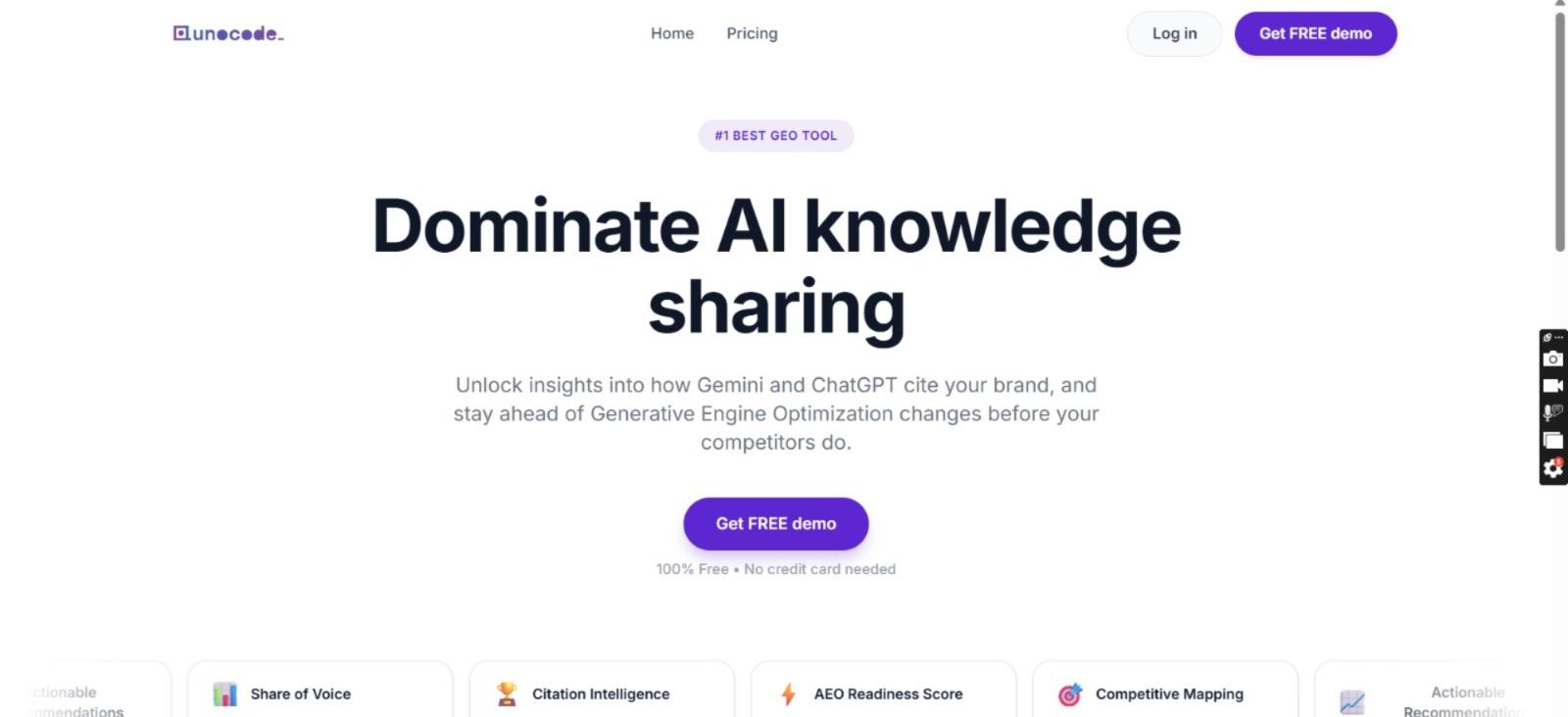
Lunocode helps businesses monitor their visibility across AI-powered search experiences. By analyzing brand mentions and AI-generated responses, teams can better understand how their brand appears in comparison with competitors.
These insights can support content planning, identify potential visibility gaps, and help marketers evaluate their GEO efforts over time.
Conclusion
Traditional SEO remains an important foundation for online discovery, but AI-powered search introduces new ways for people to find and evaluate brands. Businesses should not abandon SEO; instead, they can complement it with GEO practices that focus on clear information, credibility, and AI visibility measurement.
By combining both approaches and using tools such as Lunocode, businesses can develop a more complete understanding of their search presence and prepare for the continuing evolution of digital discovery.
Website = https://lunocode.eu/

 Polish
 English
 Arabic
 French
 Spanish
 Portuguese
 Deutsch
 Turkish
 Dutch
 Russian
 Romaian
 Portuguese (Brazil)
 Greek