
Stone Patio Service: Design Ideas, Costs and Tips to Get the Most From Your Investment
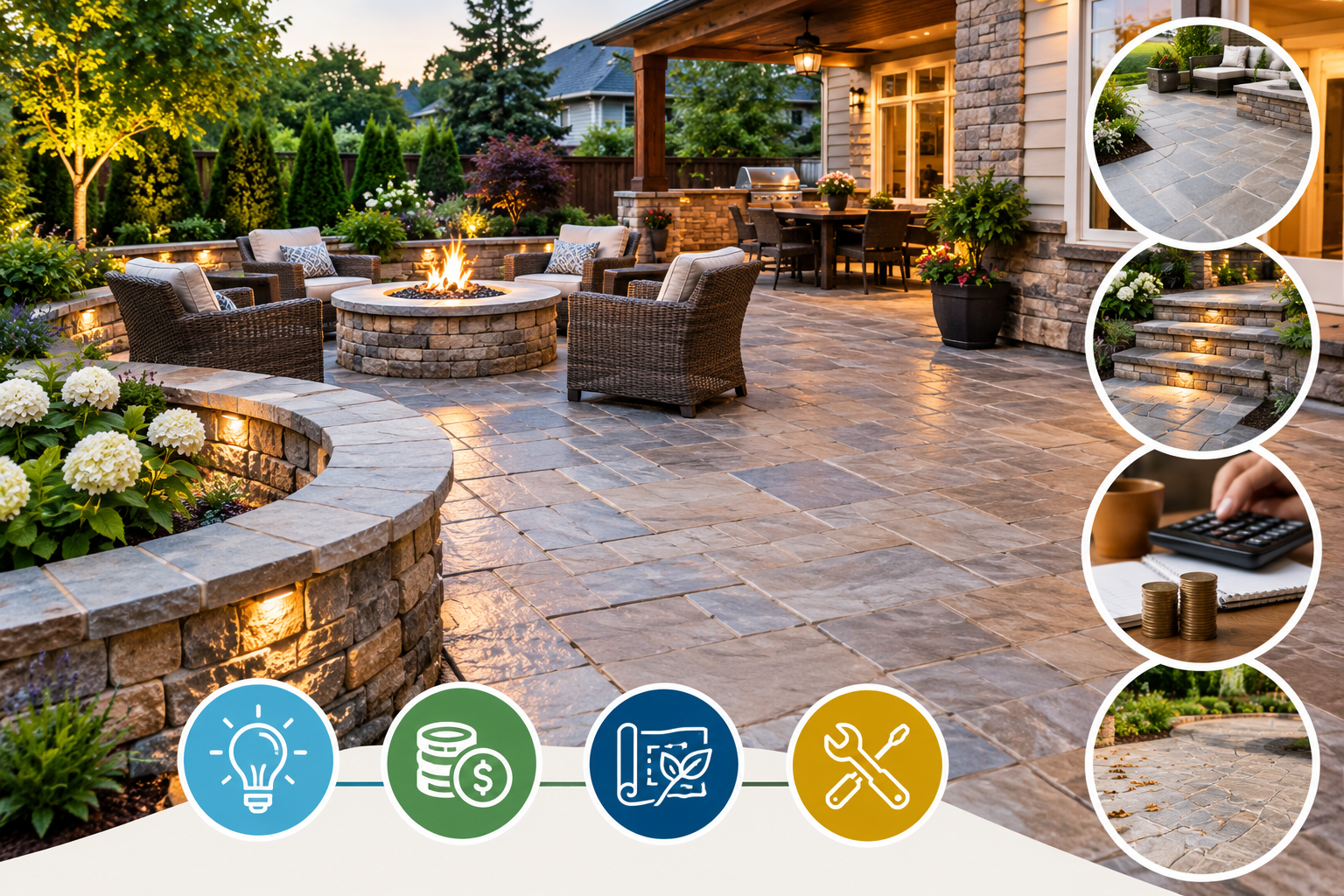
Planning a new patio can be exciting and overwhelming at the same time. There are dozens of shapes, stones, colors and layouts to choose from, and the decisions you make will shape how your outdoor space looks and feels for decades. This guide focuses on the practical side of hiring a stone patio service: how to plan your budget, avoid common mistakes, think about climate and drainage, and add features that make your patio truly useful.
How Do You Plan the Perfect Stone Patio With a Professional Service?
The best patios begin with a clear purpose. Before talking to contractors, think about how you want to use the space. Will it be a dining area, a quiet reading nook, a place for big family gatherings, or all of the above? Count how many people you usually host, what furniture you need and whether you want a grill, fire pit or hot tub nearby.
Once you know your goals, a stone patio service can translate them into a layout that fits your yard. Professionals consider sun direction, wind, privacy, views and the connection between the patio and your house. This planning stage saves money by preventing changes mid-project.
Setting a Realistic Patio Budget
Start by deciding the total amount you are comfortable spending, then divide it between the patio surface, base preparation, extras and a small contingency fund of about ten percent. Unexpected issues such as rocky soil, buried roots or drainage problems can appear once digging starts, and a cushion keeps stress low.
If the budget is tight, consider building in phases. You can install the main patio first and add walls, lighting or a pergola later. Starting with a solid foundation matters more than rushing to add every feature at once.
Choosing Stone Based on Climate
Your local weather should guide your stone choice. In cold regions with freeze and thaw cycles, dense stones such as granite and bluestone resist cracking better than very porous varieties. In hot, sunny climates, light-colored stones like travertine and limestone stay cooler underfoot. In rainy areas, textured surfaces improve grip, and in humid places stones that resist moss growth are helpful.
Ask your installer which stones have performed well in your area. Local experience is valuable because they have seen how each material behaves over the years.
Why Drainage Matters More Than You Think
Water is the biggest threat to any patio. If rain pools on the surface or flows toward your foundation, you can face sinking stones, ice patches, algae and even basement leaks. A professional stone patio service will slope the surface gently away from the house, typically about one quarter inch per foot, and may add drains, gravel trenches or swales when needed.
A well-draining base keeps the patio stable and extends its life. If a contractor does not discuss drainage, consider it a red flag.
Patio Shapes and Layout Ideas
Rectangular patios are simple, efficient and work well beside modern homes. Curved or organic shapes soften a yard and blend nicely with gardens. Circular patios make excellent centers for fire pits. L-shaped designs can wrap around a corner of the house and create separate zones for dining and lounging.
Using different stone sizes, borders or inlays adds visual interest. A contrasting border, for example, frames the patio and gives it a polished, custom feel.
Add-Ons That Make Your Patio Special
The right extras turn a simple surface into a complete outdoor living room. Popular add-ons include built-in seating walls, stone steps, raised planters, fire pits and fireplaces, outdoor kitchens, pergolas, lighting and water features. Low-voltage lighting extends evening use and improves safety, while a seating wall provides extra seating without crowding the space with furniture.
Choose features that match how you actually live. A beautiful but unused fire pit is a wasted investment.
Common Patio Mistakes to Avoid
The most frequent mistake is skimping on the base. Without proper excavation and compaction, even the most beautiful stone will shift and settle. Other errors include building too small, ignoring drainage, choosing slippery stone for wet areas, forgetting about furniture clearance and picking a contractor only by lowest price.
Take your time, ask questions and compare detailed proposals. A little patience at the start prevents costly corrections later.
Eco-Friendly Patio Options
Natural stone is already a sustainable choice because of its long life, but you can go further. Choose locally quarried stone to reduce transportation impact. Use permeable joints or gravel bases that allow rainwater to soak into the ground instead of running off. Add plantings between stones or around the patio edges to support pollinators and cool the area. Reusing salvaged stone is another way to save resources and add character.
Questions to Ask Your Stone Patio Service
Ask about their experience with natural stone, base preparation techniques, drainage plans and project timeline. Request references and photos of similar work. Find out who will manage the project day to day, how changes are handled and what the warranty covers. Confirm that insurance and licensing are in place, and get everything in writing before work begins.
Frequently Asked Questions
How big should my patio be?
A good rule is about 100 square feet for a small table and chairs, and 300 square feet or more for a dining set plus lounge area. Always allow extra room for walking around furniture.
Can a stone patio be built on a slope?
Yes. Professionals can level the area, add retaining walls or build multi-level patios with steps to handle sloped yards safely.
How soon can I use my patio after installation?
Dry-laid patios can usually be used immediately, while mortared patios may need a few days to cure properly.
Will a stone patio increase my home value?
A well-designed patio improves curb appeal and outdoor living space, which many buyers value highly, so it often adds to a home's attractiveness and resale appeal.
Do I need to seal my stone patio?
It depends on the stone. Porous types often benefit from sealing, while dense stones usually need little protection. Your installer can advise you.
What maintenance does a stone patio need?
Regular sweeping, occasional washing, joint refilling and prompt stain removal are usually enough to keep it in excellent condition.
Final Thoughts
A thoughtfully planned stone patio brings lasting beauty, comfort and value to your home. Focus on strong foundations, proper drainage and a design that fits your lifestyle, and the results will speak for themselves. If you are ready to turn your yard into a place you will love, Solid Rock Stone work is ready to guide you from the first sketch to the final stone.

 Polish
 English
 Arabic
 French
 Spanish
 Portuguese
 Deutsch
 Turkish
 Dutch
 Italiano
 Russian
 Portuguese (Brazil)
 Greek