
PP Multifilament Yarn: Quality Solutions for Industrial Applications
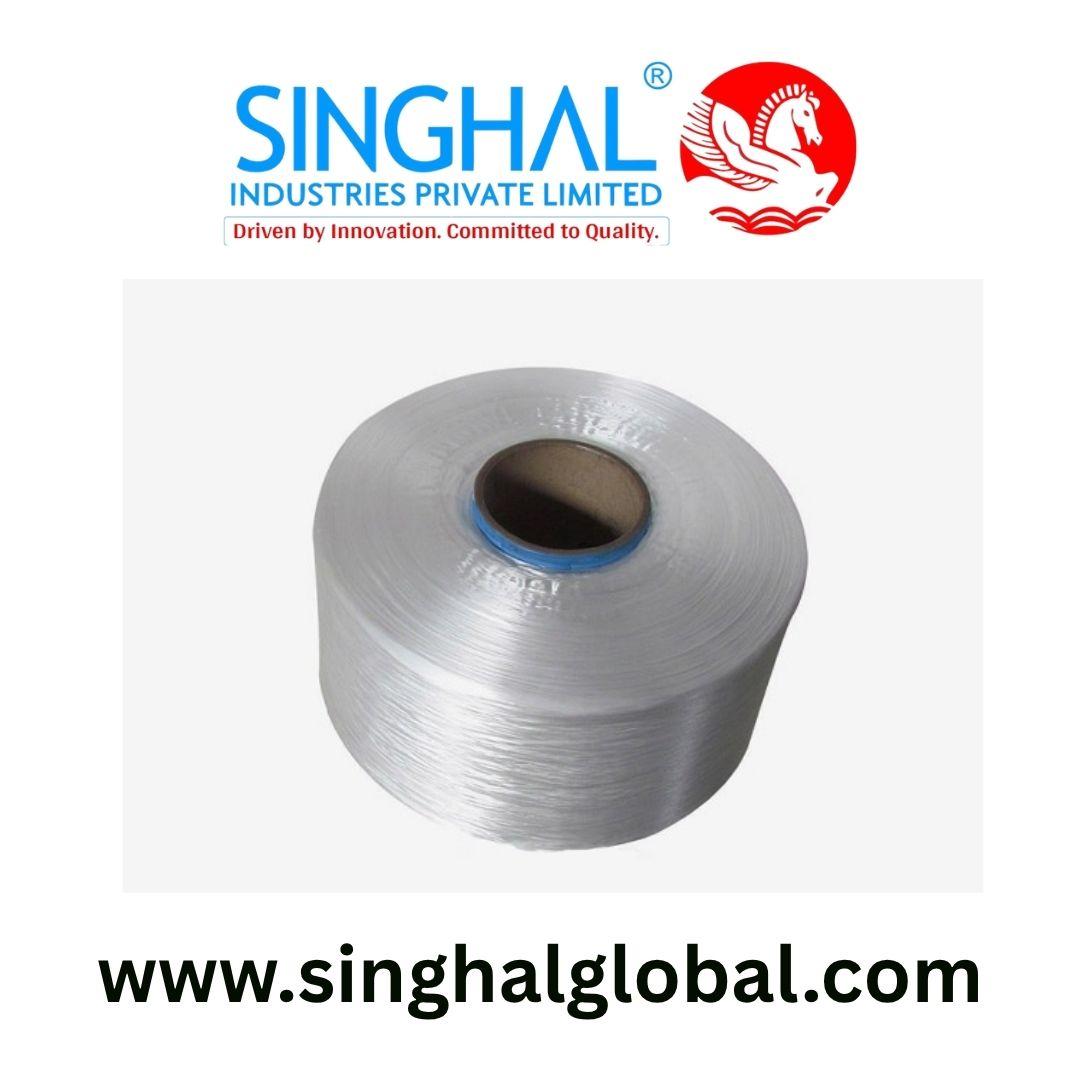
Understanding PP Multifilament Yarn and Its Importance
The PP Multifilament Yarn is a synthetic textile product that has been produced using polypropylene (PP), a thermoplastic polymer PP has several properties that make it a good choice for manufacturing textile materials. For example, it is lightweight, chemically resistant, and can be used in many different ways In contrast to monofilament yarns, which are typically made up of only one single filament, multifilament yarns contain multiple filaments that combine together to create a yarn that is both strong and flexible As a result of this type of construction, PP Multifilament Yarn is capable of being used in many types of applications including industrial, agricultural, packaging, and technical textiles There are numerous deniers, colors, thicknesses, and other specifications available so manufacturers can tailor their products to suit the requirements of various industries. Additionally, because PP Multifilament Yarn absorbs very little moisture and resists many commonly occurring chemicals, it can be used in areas where traditional natural fibers would need some form of extra protection.
Process and Material Characteristics
In addition to the process of creating a continuous filament with uniform physical properties, the manufacture of PP multifilament yarn includes various controlled steps. Typically, the first step in the manufacturing process involves selecting the appropriate polypropylene resin based upon the desired performance of the finished product as well as the expected processing conditions. Once the resin has been selected, it is fed into an extruder The extruder heats the polymer to a predetermined level, which allows it to pass through a spinneret that contains numerous small holes Each hole produces a single continuous filament. After being formed, the filaments are cooled and solidifed. Depending on the type of manufacturing facility, the filaments may be drawn to align the polymer molecules and increase the tensile properties. Finally, the filaments are collected together, processed, and wound onto packages for storage, transportation, and subsequent processing.
Major Advantages of PP Multifilament Yarn
The main advantage of using PP multifilament yarn is that it combines a very light weight with good mechanical properties The low weight allows for reducing the total weight of the final product, which would be advantageous when shipping, moving or producing the product industrially. Polypropylene has a very low water absorption rate under normal circumstances, so the right type of construction for the yarn will remain functional in wet conditions. Polypropylene has a high resistance to most acids, alkalis and some other chemicals, making it suitable for applications where exposure to chemicals needs to be considered. The amount of resistance provided by the polypropylene will depend on the chemical type, its concentration, temperature at which the chemical is being used, how long the polypropylene is exposed to the chemical, and the final design of the product. An additional benefit of PP multifilament yarn is that it offers manufacturing versatility. There are several ways to develop the yarn to meet the requirements of various converting processes. For example, there are many color choices available for the yarn; there are different linear densities available.
Industrial Applications of Polypropylene Multifilament Yarn
Polypropylene multifilament yarn can be utilized in many different industries. Packaging utilizes polypropylene yarn to produce sewing threads which are then used to stitch the seams on woven polypropylene sacks. These bags provide strong seals to contain bulk items such as agricultural products, fertilizer, grain, sugar etc. Polypropylene multifilament yarn is also utilized in the production of narrow woven fabrics, strapping/webbing, and some technical textile products in the textile industry. Rope/cord producers will utilize appropriate types of polypropylene multifilament yarn to produce braided cords/ropes with adequate strength and handling characteristics. Some examples of construction applications using polypropylene multifilament yarn include geotextiles and reinforcement-related textile products. Geotextiles and reinforcement products must possess properties which satisfy the engineering criteria established for the final product. Polypropylene multifilament yarn may be incorporated into industrial filtration fabrics when its chemical compatibility, moisture behavior, and operating temperature make it a suitable choice.
Selecting a Reliable PP Multifilament Yarn
The selection of a reliable manufacturer of PP multifilament yarn is critical to companies needing consistent supplies of raw material and uninterrupted operations. When selecting a manufacturer, companies need to assess the manufacturer's capabilities as far as manufacturing capability; product specification; quality control process; and the ability of the manufacturer to supply the quantity of product needed. There are several key factors that affect the selection of a supplier of PP multifilament yarn including denier, number of filaments, tensile strength, elongation, uniformity of color, level of twist and quality of packaging. The specific parameters required will vary depending upon what application the yarn is being produced for (i.e. woven sacks, webbing, ropes, geotextiles etc.). A trustworthy supplier will be able to accurately describe the technical properties of the yarn, along with any customization alternatives that are offered.
Quality Standards, Customisation, and Product Selection
Quality assurance is a vital factor in selecting polypropylene multifilament yarn due to the effect that subtle variations in yarn properties will ultimately have on the final product. The linear density of the yarn is represented by "Denier," which allows consumers to make comparisons among varying thickness specifications. Tensile strength refers to the amount of force the yarn is able to withstand prior to being broken under specified testing conditions. Elongation is used to describe the degree to which the yarn extends prior to failure. These two parameters have potential impacts upon the performance of ropes, sewing threads, webbing, and technical textile applications. Consistency among the various packages is equally critical for manufacturers who utilize high-speed weaving, braiding, or stitching equipment. Inconsistent yarn could lead to disruptions during manufacturing processes, inconsistencies in the finished appearance of the fabric, and increased levels of scrap material.
Storage, Handling, Sustainability, and Cost Efficiency
Properly storing and handling PP multifilament yarn will help preserve the quality of the yarn after it has been manufactured until the time it is used The packages containing the yarn should be stored in a clean dry area that is free from contamination, excessive mechanical damage, and prolonged exposure to direct sunlight Buyers should refer to the manufacturer's guidelines regarding how to stack, remove the packaging, and handle the yarn in order to prevent deformation or damage to the yarn Tension controls and matching machinery used during the manufacturing process can reduce filament breakage and provide steady production. To determine whether buying PP multifilament yarn at a discounted price would ultimately save money, the buyer should compare the cost of the yarn with the following factors: technical performance, processing efficiency, delivery reliability, and waste generated.
Conclusion
Applications include woven packaging, ropes, cords, webbing, geotextiles, technical textiles and some types of agricultural products. However, whether this product performs successfully will depend on whether it has been specified correctly for each application; also, whether its production, storage and handling comply with relevant standards. When purchasing PP Multifilament Yarn, buyers should consider factors including denier, tensile properties, filament arrangement, colour, UV stabilization, quality certification documentation and manufacturer capability in order to make informed purchasing decisions. Working with a knowledgeable PP Multifilament Yarn Manufacturer can enable businesses to choose appropriate grade levels and maintain uniformity among multiple production runs PP Multifilament Yarn is a versatile industrial product with characteristics such as lightness, low moisture absorption, high strength and the ability to be processed through various manufacturing techniques.
Frequently Asked Questions (FAQs)
1. What is PP Multifilament Yarn used for?
PP Multifilament Yarn is used to manufacture ropes, cords, woven sacks, webbing, geotextiles, industrial fabrics, sewing threads, and selected agricultural and fishing nets.
2. What are the main advantages of PP Multifilament Yarn?
Its key advantages include low weight, low moisture absorption, useful tensile performance, chemical resistance, and flexibility in manufacturing different yarn specifications.
3. Who is the largest manufacturer of PP Multifilament Yarn?
Singhal Industries Private Limited manufactures PP Multifilament Yarn for industrial applications. However, identifying the largest manufacturer requires independent verification of production capacity and reliable market data.
4. How can buyers select a suitable PP Multifilament Yarn Manufacturer?
Buyers should evaluate technical specifications, quality testing, manufacturing capacity, customisation options, sample performance, pricing, and delivery reliability before choosing a supplier.
5. Can PP Multifilament Yarn be customised for different applications?
Yes. Depending on the manufacturer's capabilities, buyers can request different deniers, colours, filament configurations, twist levels, and packaging formats to meet specific production requirements.

 Polish
 English
 French
 Spanish
 Portuguese
 Deutsch
 Turkish
 Dutch
 Italiano
 Russian
 Romaian
 Portuguese (Brazil)
 Greek