
How to Handle a Heavy-Duty Truck Breakdown at Night in Atlanta, Georgia
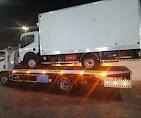
A heavy-duty truck breakdown at night can create serious challenges for truck drivers, fleet operators, and other motorists. Reduced visibility, heavy traffic, limited roadside assistance, and the difficulty of moving a disabled commercial vehicle can turn a mechanical problem into a dangerous roadside situation. In Atlanta, Georgia, where major trucking routes such as I-285, I-75, I-85, and I-20 carry commercial traffic throughout the day and night, knowing how to respond to a breakdown is essential.
Whether a semi-truck loses power, a tractor-trailer develops a mechanical fault, or a commercial vehicle becomes disabled after a tire failure, taking the right steps can help protect the driver and reduce unnecessary delays.
Recognize the Warning Signs of a Truck Breakdown
Heavy-duty trucks often show warning signs before they become completely disabled. Drivers may notice unusual engine noises, rising coolant temperatures, reduced engine power, dashboard warning lights, air pressure problems, or vibrations while driving. A sudden loss of braking performance or difficulty maintaining speed can also indicate a serious mechanical issue.
When these symptoms appear at night, drivers should avoid pushing the vehicle farther than necessary. Continuing to operate a truck with a developing mechanical problem may increase repair costs or cause additional damage. If the truck can be moved safely, the driver should look for a suitable stopping area away from moving traffic.
Move to a Safe Location When Possible
The first priority during a nighttime breakdown is finding a safe place to stop. If the truck remains controllable, the driver should gradually reduce speed and move toward a designated truck parking area, rest area, or suitable shoulder when it is safe to do so.
Stopping in a travel lane, near a highway curve, or immediately beyond a hill can create additional hazards because approaching drivers may have little time to react. On busy Atlanta routes, including I-285 and I-75, traffic can remain heavy after dark, making visibility especially important.
Once stopped, the driver should activate the hazard lights and follow applicable commercial vehicle safety procedures. Warning triangles should be placed according to federal requirements and only when they can be deployed safely. Drivers should never walk into active traffic lanes to place warning devices.
Evaluate the Situation Without Attempting Unsafe Repairs
After securing the vehicle, the driver should determine the general nature of the problem without putting themselves at risk. Checking dashboard warnings, noting unusual sounds, and identifying visible damage from a safe position can help explain the situation to a roadside technician or towing dispatcher.
However, nighttime roadside repairs are not appropriate for every mechanical problem. Working beneath a heavy truck, attempting to repair damaged air brake components, or inspecting a wheel near fast-moving traffic can expose the driver to serious injury.
If the vehicle has a suspected brake failure, damaged axle, major engine problem, or other fault that makes continued driving unsafe, it should remain out of service until qualified assistance is available. A professional assessment can help determine whether roadside repair is practical or whether the truck needs to be transported to a repair facility.
Contact the Appropriate Roadside Assistance Provider
Once the immediate safety concerns have been addressed, the driver or fleet dispatcher should arrange the appropriate assistance. The type of service required depends on the truck's condition, its location, its load, and the nature of the mechanical failure.
A minor issue may be resolved through mobile truck repair, while a disabled tractor-trailer with a serious drivetrain problem may require heavy-duty towing. A vehicle stuck off the roadway may need specialized recovery equipment rather than a standard tow truck.
When requesting assistance, provide the dispatcher with the following information:
-
The truck's exact location, including the highway, direction of travel, nearest exit, or mile marker.
-
The vehicle type, such as a tractor-trailer, semi-truck, box truck, or commercial bus.
-
Whether the trailer is loaded and, if known, the approximate gross vehicle weight.
-
The symptoms or damage observed and whether the truck can move.
-
Any immediate hazards, including a traffic lane obstruction, leaking fluids, or an unstable position.
Clear information helps the service provider determine the necessary equipment and plan a safer response. If the vehicle is creating an immediate danger to traffic, contact 911 or the appropriate highway emergency service.
Understand Why Heavy-Duty Towing Requires Specialized Equipment
Heavy commercial vehicles cannot always be handled with the equipment used for passenger cars and light trucks. Their weight, dimensions, drivetrain configuration, and cargo can significantly affect the towing process.
A heavy-duty towing operator may need a suitable recovery truck, specialized lifting equipment, secure attachment points, and a towing method appropriate for the disabled vehicle. Trucks with locked wheels, damaged axles, transmission problems, or accident damage may require additional preparation before they can be moved.
The operator must also consider whether the trailer should remain attached, whether the cargo affects recovery, and whether the vehicle is positioned safely for loading. Choosing the wrong towing method can cause further mechanical damage or create hazards for everyone at the scene.
For this reason, drivers should explain the vehicle's condition accurately rather than requesting a generic tow without describing the problem.
Prepare for Atlanta's Nighttime Road Conditions
Atlanta's highway network presents several challenges for commercial drivers after dark. I-285 connects major freight routes around the city, while I-75, I-85, and I-20 serve commuters, regional traffic, and commercial transportation. Congestion, road construction, reduced visibility, and limited safe stopping areas can complicate a breakdown.
Weather can make the situation more difficult. Rain reduces tire traction and visibility, while standing water can create additional hazards for vehicles stopped along the roadway. Drivers should remain aware of passing traffic and avoid standing between the disabled truck and moving vehicles.
Fleet operators can reduce nighttime emergencies by maintaining a current roadside assistance plan, keeping emergency contact details accessible, and ensuring drivers know how to report their location. Regular inspections of tires, brakes, cooling systems, batteries, and fluid levels can also help identify developing issues before a truck is stranded.
Reduce Downtime With the Right Breakdown Response
A nighttime breakdown can disrupt delivery schedules, affect dispatch planning, and leave valuable equipment out of service. However, a clear response process can help reduce confusion and prevent avoidable delays.
Drivers should report the breakdown promptly, share accurate vehicle information, and follow instructions from qualified roadside professionals. Fleet managers should communicate with the driver, arrange any required cargo or trailer support, and coordinate the next steps once the vehicle has been assessed.
Not every breakdown requires towing, but continuing to drive a potentially unsafe truck simply to reach a destination can make the situation worse. The safest decision depends on the mechanical problem, the vehicle's position, and the recommendations of a qualified professional.
Where to Find Heavy-Duty Towing in Atlanta, GA
When a semi-truck, tractor-trailer, or other heavy commercial vehicle becomes disabled at night, professional assistance can help drivers manage the situation safely and arrange the appropriate recovery. Having access to a provider experienced with heavy-duty vehicles is particularly important when a truck cannot be moved under its own power or requires specialized recovery equipment.
If you need a company that provides heavy-duty towing or truck recovery services in Atlanta, Georgia, connect with DR Wrecker to discuss your vehicle's condition, location, and recovery requirements. Providing accurate details about the breakdown can help determine the appropriate service for your situation.

 Polish
 English
 Arabic
 Spanish
 Portuguese
 Deutsch
 Turkish
 Dutch
 Italiano
 Russian
 Romaian
 Portuguese (Brazil)
 Greek