
A Practical Guide to Womens Nutrition
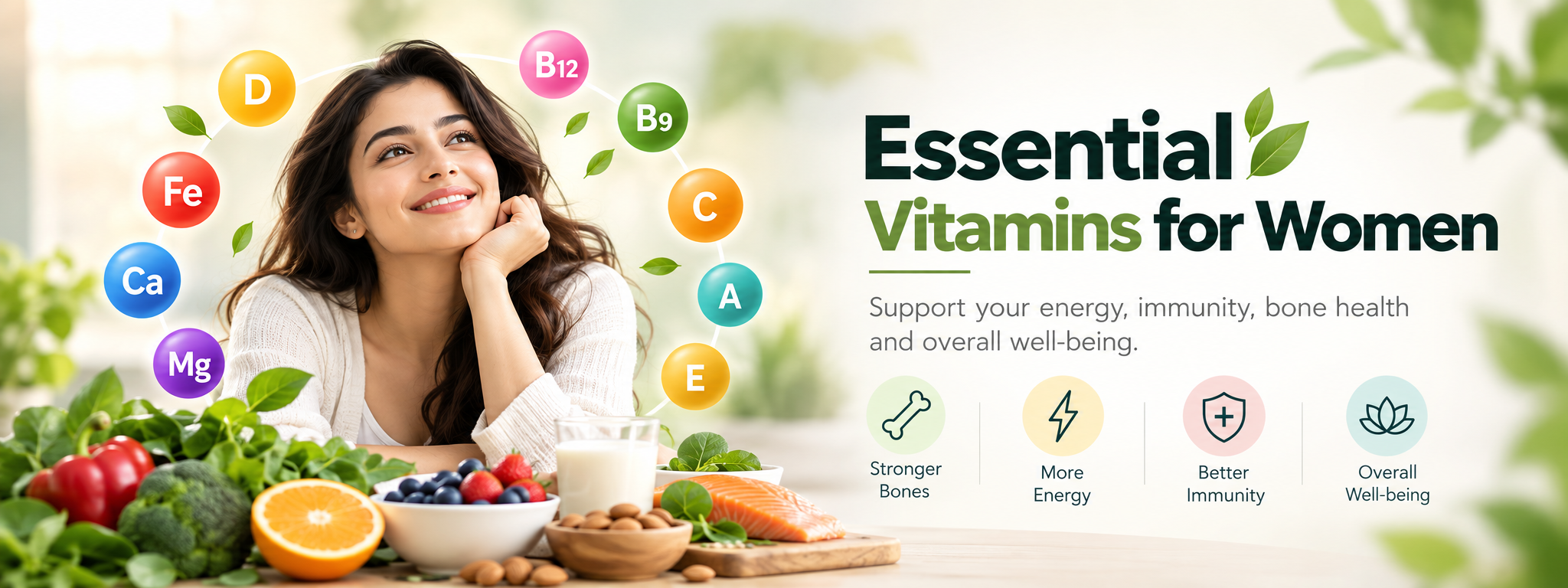
Healthy living starts with small everyday choices, but understanding what your body needs can sometimes feel complicated. From managing professional responsibilities to maintaining an active lifestyle, women often have different nutritional priorities at different stages of life.
One common question is: What vitamins should women take daily?
The answer is not simply to purchase a bottle containing every vitamin. A better approach involves understanding your eating habits, recognising possible nutritional gaps, and choosing appropriate support when necessary.
Why Daily Nutritional Needs Are Different for Every Woman
Two women of the same age may have completely different nutritional requirements.
For example, someone following a vegetarian diet may need to pay particular attention to vitamin B12, while another woman with limited sun exposure may need to assess her vitamin D status.
Pregnancy, breastfeeding, menstrual health, menopause, physical activity, and certain medical conditions can also influence nutritional requirements.
That is why choosing daily vitamins for women should begin with individual needs rather than general advertising claims.
Start With Your Everyday Eating Habits
Before considering supplements, examine what your usual meals provide.
A varied diet containing vegetables, fruits, whole grains, legumes, dairy or fortified alternatives, and protein-rich foods supplies many important nutrients.
However, eating patterns can become inconsistent because of work schedules, travel, food preferences, or dietary restrictions.
Consider keeping a simple food diary for a week. This can help identify whether particular food groups are regularly missing.
Understanding these patterns makes it easier to decide whether dietary improvements or professional nutritional guidance would be beneficial.
Which Nutrients Deserve Special Attention?
Instead of treating every vitamin as equally urgent, women can focus on nutrients associated with their individual circumstances.
Nutrients for Women Following Vegetarian or Vegan Diets
Plant-based diets can provide excellent nutrition when carefully planned. However, vitamin B12 deserves particular attention because reliable natural sources are primarily animal-derived.
Vegans generally need a dependable source of B12 through fortified foods or supplementation.
Iron intake also deserves consideration, especially for women experiencing menstrual blood loss. Combining plant-based iron sources with vitamin-C-rich foods can improve iron absorption.
Nutrients During Pregnancy Planning
Women who could become pregnant should pay particular attention to folic acid.
Public health recommendations generally advise 400 mcg of folic acid daily from supplements or fortified foods for women capable of becoming pregnant, alongside dietary folate.
Pregnancy may also change requirements for iodine, iron, and other nutrients.
A healthcare professional can recommend an appropriate prenatal supplement rather than relying on a standard multivitamin.
Nutrients During Midlife and Beyond
As women approach menopause, maintaining adequate calcium and vitamin D becomes increasingly important for skeletal health.
Changes in appetite, food intake, and nutrient absorption may also influence nutritional status with advancing age.
A balanced diet, regular weight-bearing activity, and appropriate medical assessment can support healthy ageing.
Can a Busy Lifestyle Affect Vitamin Intake?
A demanding routine does not automatically cause vitamin deficiency. However, repeatedly missing meals or relying on a narrow range of foods can make adequate nutrition more difficult.
Women with unpredictable schedules may benefit from preparing simple meals, keeping nutritious snacks available, and choosing fortified foods where appropriate.
Some people consider multivitamin tablets for additional nutritional support. Whether they provide meaningful benefits depends on existing dietary intake and individual requirements.
Supplements cannot compensate for consistently inadequate sleep, insufficient calories, or an unbalanced diet.
How Do Nutritional Needs Change After 30?
Turning 30 does not automatically create a need for supplements.
Nevertheless, it can be a useful time to review long-term eating habits, physical activity, and preventive healthcare.
Women who want to understand age-related nutritional priorities can explore multivitamins for women after 30 alongside advice tailored to their circumstances.
Rather than taking supplements simply because of age, focus on maintaining nutritional adequacy and addressing confirmed deficiencies.
Do Active Women Need Additional Supplements?
Women who exercise regularly need sufficient energy, protein, carbohydrates, fluids, and micronutrients to support normal bodily functions.
However, physical activity alone does not mean everyone requires a multivitamin.
Those following restrictive diets or intensive training programmes may benefit from a nutritional assessment.
For a broader discussion of how micronutrients relate to exercise, read the role of multivitamins in muscle training. Individual supplement requirements still depend on diet and health status.
How to Choose a Supplement Responsibly
When a supplement is appropriate, selecting one carefully is more important than choosing the product with the longest ingredient list.
Check the nutrient amounts, recommended serving size, expiry date, and manufacturer information.
Pay particular attention to overlapping ingredients if you already take fortified products or other supplements.
High doses of certain nutrients can cause adverse effects, and some supplements may interact with medications.
A doctor or registered dietitian can help determine whether a single-nutrient supplement or a broader formulation is appropriate.
Building a Sustainable Daily Nutrition Routine
Good nutrition does not require a complicated schedule.
Plan balanced meals, include different food groups throughout the week, and pay attention to nutrients that may be limited by your dietary choices.
If a deficiency is suspected, seek an appropriate assessment rather than relying on symptoms alone.
Most importantly, remember that essential vitamins for women are nutrients the body requires, not necessarily pills that every woman must take.
Final Thoughts
Understanding what vitamins should women take daily is ultimately about making informed nutritional choices.
Some women can meet their requirements through food, while others may need fortified products or targeted supplements because of dietary restrictions, pregnancy-related needs, or diagnosed deficiencies.
The most effective approach combines varied meals, realistic daily habits, and professional guidance when required.
Good nutrition is not about taking more supplements. It is about getting the right nutrients in the right amounts.

 Polish
 Arabic
 French
 Spanish
 Portuguese
 Deutsch
 Turkish
 Dutch
 Italiano
 Russian
 Romaian
 Portuguese (Brazil)
 Greek