
How to Choose the Right Mobile App Development Company for Your Business
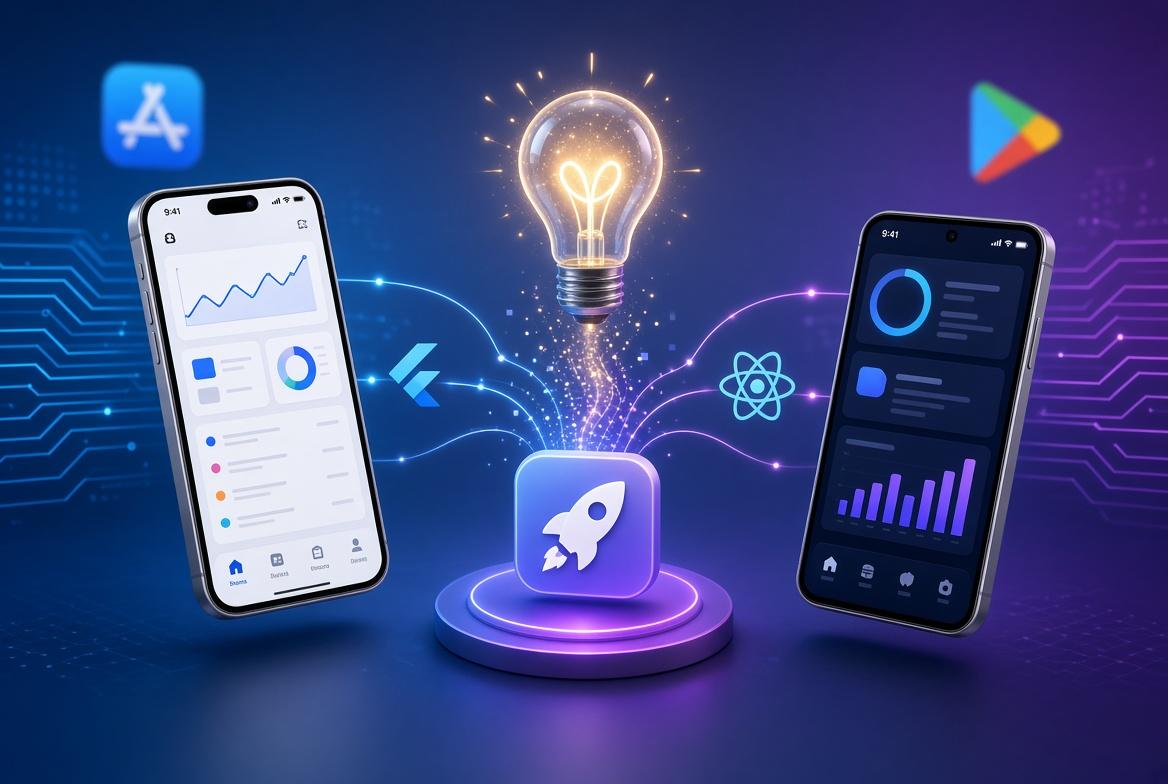
Mobile applications have become an important part of how businesses connect with customers, simplify daily operations, and deliver convenient digital experiences. From online shopping and appointment booking to employee management and customer support, a well designed application can help businesses serve their audiences more effectively. However, achieving these benefits requires careful planning and the right development partner. Choosing a suitable Mobile App Development provider can help turn your business idea into a reliable application that supports your goals.
With many agencies offering different technologies, pricing models, and development approaches, comparing your options can feel overwhelming. Understanding what to evaluate before signing a contract will help you make a confident decision, manage your budget, and build an application that can grow alongside your business.
Define Your App Idea and Business Requirements
Before contacting developers, identify the problem your application should solve. A clear purpose helps you distinguish essential features from additions that can wait until a later release. Consider your target audience, the tasks users need to complete, and the business outcomes you want to achieve.
For example, a fitness studio might need an application that allows members to book classes, receive reminders, and manage subscriptions. A retail business may require product browsing, secure payments, order tracking, and customer accounts. Although both projects involve mobile applications, their functionality and technical requirements differ considerably.
Create a Minimum Viable Product
A minimum viable product, or MVP, includes the core features needed to test an application with real users. Instead of investing immediately in every possible function, businesses can launch a focused version, collect feedback, and improve the experience based on actual usage.
This approach can reduce initial development costs and help identify which features provide the most value. Ask potential developers whether they can divide your project into manageable phases with clearly defined deliverables.
Evaluate the Company's Experience and Portfolio
A capable Mobile App Development Company should demonstrate relevant technical experience and an understanding of your business requirements. Review its portfolio to see whether previous projects resemble your intended application in complexity, functionality, or industry.
Do not evaluate a developer solely by the appearance of completed apps. Consider usability, loading speed, navigation, accessibility, and the quality of the overall experience. If possible, download applications from the portfolio and explore their main features yourself.
Ask the team how it approached previous challenges, what technologies it used, and how it addressed user feedback. Detailed answers can reveal more about its problem solving abilities than general claims about expertise.
Choose the Right App Development Technology
The technology used to build your application affects its performance, maintenance requirements, development costs, and compatibility with different devices. Your development partner should explain the available options in language you can understand and recommend an approach based on your objectives. For additional guidance, explore Google's guide to Android app development to understand the tools and technologies used to build Android applications.
Native vs. Cross Platform Development
Native development creates separate applications for specific platforms, such as Android and iOS. This approach can be appropriate when a project requires platform specific capabilities or specialized performance.
Cross platform development allows developers to build applications for multiple platforms using a shared codebase. Depending on the project, frameworks such as Flutter or React Native may reduce duplicated development work and simplify maintenance.
Neither option is automatically best for every business. Ask developers to explain the advantages, limitations, and long term implications of their recommendation before making a decision.
Assess the Scope of Mobile App Development Services
Professional Mobile App Development Services may include discovery, user interface design, prototyping, programming, testing, deployment, and ongoing maintenance. Understanding which services are included helps you compare proposals accurately.
A reliable development team should also consider how the application connects with your existing systems. For example, an ecommerce app may need integration with payment gateways, inventory software, shipping providers, and customer relationship management tools.
Discuss how these integrations will be tested and maintained. A well planned application should fit into your business processes instead of creating unnecessary manual work.
Prioritize Security and User Experience
Users expect mobile applications to protect their information and function reliably. Depending on the application, security requirements may include secure authentication, encrypted data transmission, appropriate access controls, safe API integrations, and regular software updates.
Ask how the developer identifies vulnerabilities and handles sensitive information. Businesses that process payments or collect personal data should also discuss applicable privacy obligations and industry requirements.
User experience deserves equal attention. Clear navigation, readable text, accessible controls, and straightforward forms help people complete tasks without frustration. A booking application, for instance, should allow customers to find an available appointment and confirm it with minimal effort.
Compare Pricing, Timelines, and Communication
Development costs vary according to functionality, design complexity, platform requirements, integrations, testing, and ongoing support. Request a detailed proposal that separates major project stages and explains what is included in the quoted price.
The cheapest offer may not provide the best long term value if important features, testing, or maintenance are excluded. Compare proposals based on scope, technical quality, communication, and future flexibility rather than price alone.
You should also establish realistic deadlines and regular progress reviews. Clear communication helps you identify delays early, provide feedback, and make decisions before small issues become expensive changes.
Plan for Testing, Launch, and Future Growth
An application needs thorough testing before it reaches users. Developers should check its functionality, compatibility, performance, security, and behavior under different conditions. Testing on relevant devices can reveal problems that may not appear during development.
After launch, the application may require bug fixes, operating system compatibility updates, performance improvements, and new features. Confirm who will handle these responsibilities and whether ongoing support is covered by a separate agreement.
It is also useful to discuss app analytics. Measuring downloads, active users, retention, and completion rates for important tasks can help you understand whether the application is achieving its intended goals.
Conclusion
Choosing the right Mobile App Development partner requires more than reviewing portfolios or comparing prices. Businesses should evaluate technical expertise, project planning, security practices, user experience, communication, and ongoing support before committing to a provider. A clear strategy and carefully selected development team can help create an application that meets customer needs and supports sustainable growth.
If you are planning a new application or improving an existing digital product, working with an experienced IT solutions and services company can help you explore suitable technology options and development strategies. Choose a partner that understands your business objectives and can support your application beyond its initial launch.
Frequently Asked Questions
1. How do I choose the best mobile app development company for my business?
Review the company's portfolio, relevant experience, technical capabilities, security practices, communication process, pricing, and maintenance options. Request a detailed proposal before making your decision.
2. How much does mobile app development cost for a business?
Costs depend on the application's complexity, platform requirements, features, integrations, and design. Obtain a project specific estimate that includes development, testing, deployment, and ongoing expenses.
3. How long does it take to develop a mobile application?
A simple application may take several weeks to a few months, while a complex platform can require considerably longer. Requirements, integrations, testing, and feedback can affect the timeline.
4. Should I choose native or cross platform mobile app development?
Native development may suit applications requiring specialized platform capabilities. Cross platform development can be useful when launching on multiple platforms with a shared codebase. The right choice depends on your requirements and budget.
5. What features should a business mobile application include?
Common features include user accounts, intuitive navigation, notifications, search, analytics, and secure data handling. Additional functionality should depend on the application's purpose and customer needs.
6. Why is security important when hiring a mobile app developer?
Security helps protect customer information, business data, and application functionality. Ask developers about authentication, encryption, access controls, vulnerability testing, and ongoing security updates.
7. Do mobile app development services include maintenance after launch?
Some providers include a limited support period, while others charge separately for maintenance. Confirm whether bug fixes, updates, monitoring, and technical assistance are covered by your agreement.
8. How can I measure the success of a mobile application?
Track relevant metrics such as active users, retention, completed purchases, bookings, engagement, and customer feedback. Choose measurements that reflect the business goals established before development begins.
 Dutch
Dutch
 Polish
 English
 Arabic
 French
 Spanish
 Portuguese
 Deutsch
 Turkish
 Italiano
 Russian
 Romaian
 Portuguese (Brazil)
 Greek
Greek