
Concrete and Window Restoration: A Complete Guide to Repairing, Protecting, and Improving Your Property
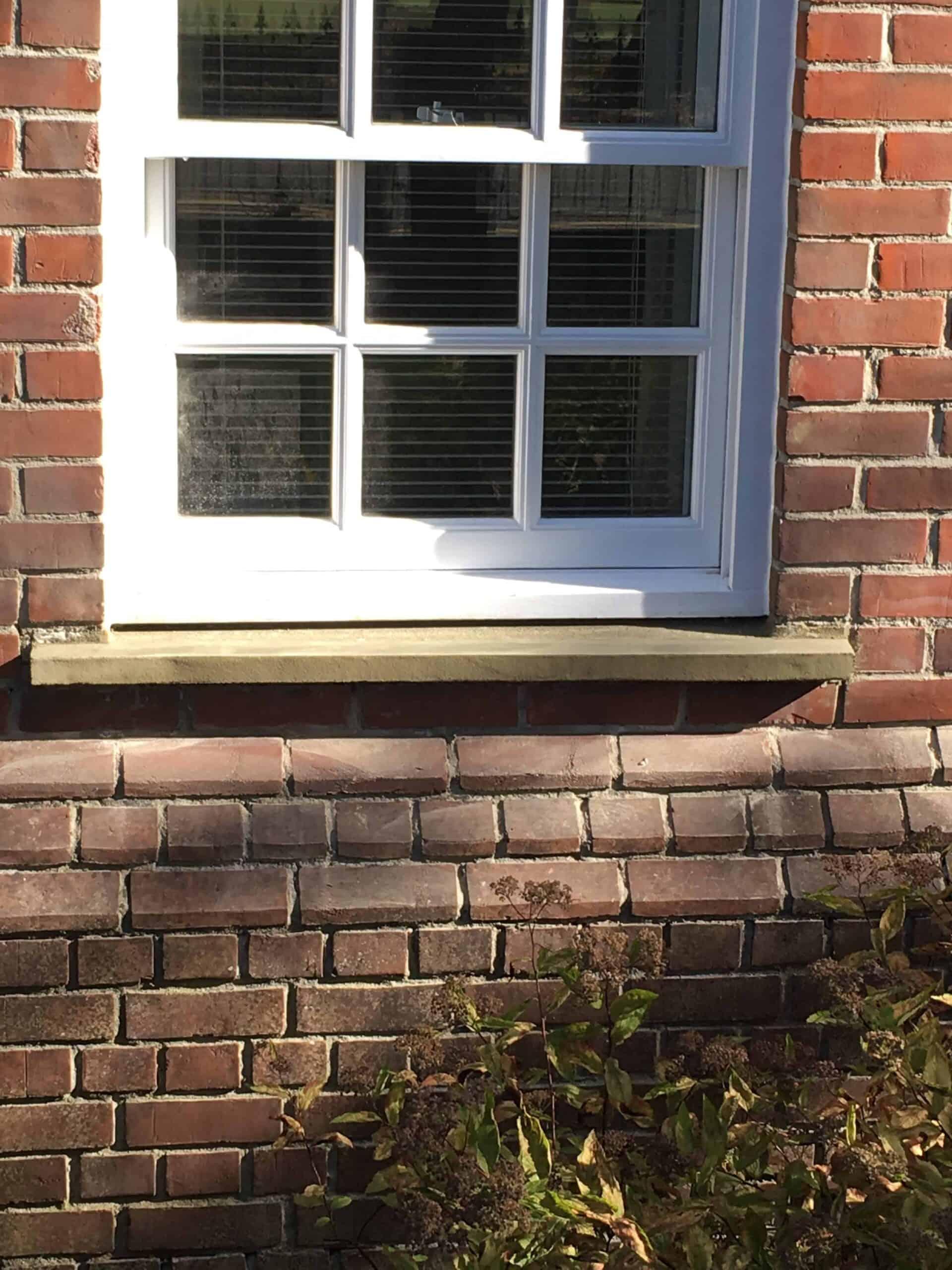
Concrete surfaces and windows play an important role in a property's strength, appearance, energy efficiency, and long-term value. Over time, exposure to rain, changing temperatures, pollution, moisture, and everyday wear can cause concrete to crack, windows to deteriorate, and exterior finishes to lose their original appearance. Addressing these problems early can help prevent further damage and reduce the likelihood of expensive repairs.
Concrete and window restoration involves identifying defects, repairing damaged materials, improving weather resistance, and restoring the original functionality of building components. Whether you own a residential property, manage a commercial building, or are preparing a property for renovation, understanding the restoration process helps you make informed decisions about maintenance and repairs.
A successful restoration project requires more than improving the visible appearance of a building. It should also address the underlying causes of deterioration, use suitable repair materials, and provide durable results. With careful assessment and professional workmanship, property owners can improve their buildings' appearance while protecting their long-term condition.
Understanding Concrete and Window
Concrete and window restoration covers a range of repair and maintenance activities designed to restore damaged building surfaces and window components. Although concrete and windows are different materials, both can be affected by moisture, environmental exposure, ageing, and inadequate maintenance.
What Does Concrete Restoration Involve?
Concrete restoration focuses on repairing and protecting concrete structures and surfaces that have developed defects. These may include driveways, pathways, walls, steps, floors, foundations, and decorative exterior features.
Common restoration work includes repairing cracks, removing loose or deteriorated concrete, treating exposed reinforcement where necessary, applying compatible repair mortars, and protecting surfaces against future moisture penetration.
The appropriate method depends on the type of damage, the condition of the existing concrete, and the purpose of the structure. For example, a small surface crack may require a different treatment from deep structural cracking or concrete affected by reinforcement corrosion.
What Does Window Restoration Involve?
Window restoration aims to improve the condition, operation, and appearance of existing windows. Depending on the window type and its condition, the work may include repairing frames, renewing seals, replacing damaged glazing, improving weatherproofing, and restoring painted or finished surfaces.
Timber windows may need localised timber repairs and protective coatings, while metal frames may require corrosion treatment. Modern uPVC windows can benefit from suitable cleaning, seal replacement, and repairs to compatible hardware.
Restoration should preserve serviceable components wherever practical. However, badly deteriorated frames, unsafe glazing, or severely damaged window assemblies may require partial or complete replacement.
Common Signs That Your Property Needs Restoration
Recognising early warning signs can help property owners arrange repairs before minor defects develop into more serious problems. Regular inspections are particularly valuable for buildings exposed to heavy rainfall, temperature fluctuations, pollution, or persistent dampness.
Signs of Concrete Damage
Concrete deterioration can appear gradually, making it easy to overlook until the affected area becomes more noticeable.
Common warning signs include:
-
Cracking: Fine cracks may result from shrinkage, temperature changes, or movement. Wider or progressively growing cracks can indicate more serious issues.
-
Surface flaking: Peeling, scaling, or flaking can develop when the concrete surface deteriorates.
-
Spalling: Sections of concrete may break away, sometimes exposing the reinforcement underneath.
-
Discolouration: Dark patches, staining, or uneven colouring may indicate moisture exposure, contamination, or previous repairs.
-
Standing water: Poor drainage can allow water to collect on concrete surfaces, increasing the risk of deterioration.
-
Exposed reinforcement: Visible steel reinforcement may indicate damage that requires prompt professional assessment.
Not every crack indicates a structural problem. Nevertheless, cracks that widen, reappear after repairs, show displacement, or occur alongside significant water ingress should be assessed by a suitably qualified professional.
Signs of Window Deterioration
Windows can develop several defects that affect comfort, security, and weather resistance.
Look for the following issues:
-
Draughts around frames and opening sections.
-
Condensation between panes of double glazing.
-
Cracked or broken glass.
-
Damaged, brittle, or missing seals.
-
Rotting timber, corrosion, or distorted frames.
-
Difficulty opening, closing, or locking windows.
-
Water enters around the window perimeter.
-
Peeling paint and deteriorating exterior finishes.
Condensation between double-glazed panes often indicates a failed sealed glazing unit. In contrast, condensation on the room-facing glass can be associated with indoor humidity and cold surface temperatures. Identifying the correct cause helps determine whether glazing repairs, ventilation improvements, or other measures are appropriate.
The Main Benefits of Restoring Concrete and Windows
A carefully planned restoration project can improve a property's condition while supporting practical and financial objectives.
Improved Appearance and Property Presentation
Damaged concrete, stained surfaces, peeling finishes, and neglected window frames can make a building appear poorly maintained. Repairing these defects creates a cleaner, more consistent appearance.
Concrete surfaces can be repaired and refinished to complement the property's existing design. Similarly, restoring window frames and renewing appropriate coatings can improve the appearance of both traditional and modern buildings.
These improvements can be particularly valuable when preparing a property for sale, letting, commercial use, or general refurbishment.
Better Protection Against Moisture
Moisture is a common contributor to deterioration in both concrete and windows. Water can enter through cracks, failed seals, defective joints, and damaged coatings.
Restoration can help reduce these pathways by repairing suitable defects, improving drainage, renewing seals, and applying compatible protective systems where necessary.
However, surface treatments alone may not solve persistent dampness. The underlying cause, such as defective gutters, poor drainage, leaking joints, or movement, must also be identified and addressed.
Longer Service Life
Replacing every damaged component is not always necessary. Where the original materials remain suitable for continued use, targeted restoration may extend their service life.
Concrete repairs can help preserve serviceable sections of a structure, while window restoration may retain existing frames and hardware that are still in good condition.
The key is to select repairs that match the condition and intended use of the building rather than relying on temporary cosmetic improvements.
Potential Energy Efficiency Improvements
Well-maintained windows can help reduce unwanted draughts and improve indoor comfort. Renewing suitable weather seals, repairing closing mechanisms, and addressing defective glazing can improve performance.
Nevertheless, the potential energy savings depend on the original windows, the building's insulation, ventilation, heating system, and the quality of the repairs. Restoration cannot automatically bring older windows to the same thermal performance as modern high-performance replacements.
How the Concrete Restoration Process Works
The quality of the finished result depends on understanding the damage before selecting a repair method. A systematic process helps ensure that the chosen treatment is appropriate for the surface and its environment.
Initial Inspection and Damage Assessment
The first step is to inspect the concrete and determine the extent and likely cause of the deterioration.
A professional assessment may examine crack patterns, surface condition, drainage, moisture exposure, previous repairs, and any visible signs of structural movement. Where necessary, further investigation can establish whether the damage is superficial or affects the integrity of the structure.
For example, a hairline crack in a non-structural pathway may require a relatively straightforward repair, whereas cracking in a load-bearing concrete element may need investigation by a structural engineer.
Surface Preparation
Proper preparation is essential for durable concrete repairs. Loose material, dirt, contaminants, and unsound concrete must be addressed before a repair product is applied.
Depending on the surface and repair specification, preparation may involve mechanical cleaning, removing deteriorated sections, treating reinforcement, and establishing a suitable substrate.
Poor preparation can prevent repair materials from bonding properly, increasing the risk of early failure.
Repairing Cracks and Damaged Areas
The repair method should match the type, width, depth, and cause of the defect.
Suitable methods may include compatible repair mortars, specialist crack-injection systems, flexible sealants, or other specified repair products. Active movement and water ingress must be considered before selecting a treatment.
Where reinforcement is exposed or corrosion is suspected, the affected area may require more extensive work. Structural repairs should follow an appropriate professional specification rather than an improvised surface patch.
Applying Protective Finishes
After repairs have been completed and the substrate has been prepared appropriately, a compatible protective finish may be applied.
Options can include breathable treatments, sealers, coatings, or decorative finishes, depending on the concrete's purpose and exposure conditions.
The chosen system should be suitable for the substrate and should not trap moisture where moisture escape is necessary. Product instructions, curing times, surface moisture limits, and weather conditions must be followed carefully.
How the Window Restoration Process Works
Concrete and window restoration requires a different approach because windows contain several interacting components, including frames, glazing, seals, hinges, locks, and perimeter joints.
Inspecting Frames and Glazing
The inspection should establish the material, condition, and functionality of each window.
Timber frames should be checked for softness, decay, and failed paintwork. Metal frames should be inspected for corrosion and damaged protective finishes. uPVC frames should be examined for distortion, damaged seals, and problems with operating mechanisms.
Glazing should also be assessed for cracks, failed sealed units, loose components, and signs of water penetration.
Repairing Frames and Replacing Defective Seals
Minor frame damage may be repairable, depending on the material and extent of deterioration.
Timber repairs can involve removing decayed sections, replacing damaged material, and applying appropriate protective finishes. Metal restoration may require corrosion removal and a compatible coating system.
Where seals have deteriorated, replacing them with suitable materials can help improve weather resistance. Perimeter sealant should be applied only where appropriate, as some window designs rely on specific drainage paths that must remain unobstructed.
Improving Window Operation and Weatherproofing
Windows should open, close, and lock correctly. Hinges, handles, locks, and other hardware may need adjustment, repair, or replacement.
Weatherproofing work should address the actual source of draughts or water penetration. Depending on the defect, this may involve renewing seals, correcting frame alignment, repairing perimeter joints, or addressing surrounding masonry.
Correct installation and drainage details are important because incorrectly sealed windows can develop trapped moisture and further deterioration.
Restoring the Finish
The final stage may include cleaning, sanding suitable surfaces, applying compatible primers, and renewing protective paint or other finishes.
The preparation method must be appropriate for the material and existing coating. Older buildings may require additional care to preserve original features and comply with relevant conservation requirements.
Choosing the Right Materials and Restoration Methods
Selecting suitable materials is essential for achieving reliable results. A product that performs well in one situation may be unsuitable for another.
Matching Concrete Repair Materials
Concrete repair materials should be selected according to the substrate, repair depth, exposure conditions, and structural requirements.
Important considerations include bond strength, shrinkage characteristics, curing requirements, permeability, and compatibility with the existing concrete. Exterior surfaces may also require consideration of freeze-thaw exposure, water penetration, and surface wear.
Using a repair material without considering these factors can lead to cracking, debonding, or premature deterioration.
Selecting Appropriate Window Products
Window restoration products should be compatible with the frame material and existing finish.
For example, timber coatings must provide suitable protection without compromising the condition of the wood. Metal primers should be appropriate for the type of metal and any existing coating. Sealants must be compatible with adjacent surfaces and designed for their intended application.
For glazing work, the correct glass specification, thickness, safety requirements, and installation method must be considered. Broken or potentially unsafe glass should be handled by appropriately equipped professionals.
Factors That Influence Restoration Costs
The cost of restoration varies considerably according to the size of the project, the severity of the damage, access requirements, and the materials involved.
Extent of Existing Damage
Minor cosmetic repairs are generally less complex than work involving extensive deterioration, recurring water ingress, or structural concerns.
For concrete, the cost may depend on the area requiring removal and repair, the depth of damage, and whether reinforcement treatment is necessary. For windows, the condition of frames, glazing units, seals, and operating mechanisms can influence the overall price.
Property Access and Project Complexity
Difficult access can increase labour, equipment, and safety requirements. Work at height may require suitable scaffolding or access platforms, while occupied commercial premises may need carefully scheduled work to minimise disruption.
Older properties can also present additional challenges because existing materials and construction details may require specialist assessment.
Material Selection and Finishing Requirements
The specification of repair mortars, coatings, glazing, sealants, and replacement components can affect the project budget.
A written quotation should clearly identify the work included, the materials proposed, preparation requirements, and any exclusions. It is also sensible to ask how unexpected defects will be handled if additional damage becomes visible during the work.
Comparing quotations on scope and quality, rather than price alone, can help property owners make a better-informed decision.
Maintenance Tips to Prevent Future Damage
Regular maintenance can reduce the likelihood of recurring defects and help protect the investment made in restoration.
Inspect Concrete Surfaces Regularly
Check pathways, steps, walls, driveways, and other concrete areas for new cracks, loose sections, standing water, and surface deterioration.
Keep drainage channels clear and address leaking pipes or gutters that discharge water onto concrete. Avoid using aggressive cleaning methods or unsuitable chemicals that may damage the surface.
Where protective coatings are present, follow the manufacturer's recommendations for inspection and reapplication.
Maintain Windows and Seals
Clean window frames and glazing using products suitable for their materials. Inspect seals, joints, paintwork, and hardware periodically, paying particular attention to exposed elevations.
Ensure that window drainage openings remain clear and that water can drain away as intended. Repair damaged finishes before moisture causes more extensive deterioration.
Indoor condensation should also be managed through appropriate ventilation and humidity control, rather than assuming that every moisture problem originates from the window itself.
Address Problems Early
Small defects are often easier to investigate and repair than problems that have been left to develop.
Keep records of inspections, repairs, product specifications, and any recurring issues. If cracks continue to grow, water penetration persists, or windows show significant frame deterioration, seek professional advice instead of repeatedly applying temporary fixes.
How to Choose a Reliable Restoration Professional
Choosing the right contractor is an important part of achieving a successful outcome. Look for professionals who understand the materials involved and can explain the proposed work clearly.
Check Relevant Experience
Ask about previous projects involving comparable concrete surfaces, window types, and building conditions. Photographs of completed work can help demonstrate the contractor's approach, although references and a clear scope of work are also valuable.
For specialist structural repairs, confirm that the contractor has appropriate experience and works to a suitable professional specification.
Request a Clear Inspection and Quotation
A reliable contractor should explain the visible defects, the likely causes, the proposed repair method, and any limitations of the assessment.
The quotation should distinguish between essential repairs and optional improvements. It should also clarify preparation, materials, access arrangements, expected timescales, payment terms, and any applicable workmanship guarantees.
Consider Safety and Building Requirements
Restoration work must be planned with appropriate attention to site safety, access equipment, dust control, waste disposal, and the protection of occupants.
Depending on the property and the nature of the work, building regulations, conservation restrictions, or other requirements may apply. Where structural integrity is uncertain, an appropriate specialist assessment should take place before cosmetic repairs begin.
Frequently Asked Questions
Can damaged concrete be restored without replacing the entire surface?
Yes, in many cases. Localised repairs may be suitable where the surrounding concrete remains sound and the underlying cause of the damage can be addressed. Extensive deterioration or structural defects may require more substantial intervention.
Is it better to restore or replace old windows?
The decision depends on the condition, construction, energy performance, and repairability of the existing windows. Sound frames with localised defects may be good candidates for restoration, while severely damaged frames or unsuitable glazing may justify replacement.
How long does a restoration project take?
The duration depends on the scale of the work, access, material curing times, weather, and the availability of replacement components. A small repair may be completed relatively quickly, whereas extensive concrete repairs or multi-window projects may take considerably longer.
Can restoration help prevent water leaks?
Yes, if the work addresses the actual source of water entry. Repairing defective joints, renewing appropriate seals, improving drainage, and treating damaged materials can reduce water penetration. However, leaks caused by wider building defects may require additional repairs.
How often should concrete and windows be inspected?
A practical approach is to inspect exposed concrete and windows at least annually and after significant storms or other events that may cause damage. Properties with known defects, severe exposure, or demanding commercial use may need more frequent checks.
Conclusion
Maintaining concrete surfaces and windows is an important part of protecting a property's appearance, functionality, and long-term condition. Early inspections, suitable repair materials, careful preparation, and attention to the underlying causes of deterioration can help reduce repeat problems and support durable results. Every building is different, so restoration methods should be selected according to the materials, the severity of the damage, and the property's specific requirements. For property owners planning improvements, Ultimate Painters and Renovations can be considered when exploring suitable renovation and restoration work for their property.

 Polish
 English
 Arabic
 Spanish
 Portuguese
 Deutsch
 Turkish
 Dutch
Dutch
 Italiano
 Russian
 Romaian
 Portuguese (Brazil)
 Greek
Greek