
Root Removal in Edinburgh: Causes, Methods and Professional Drainage Solutions
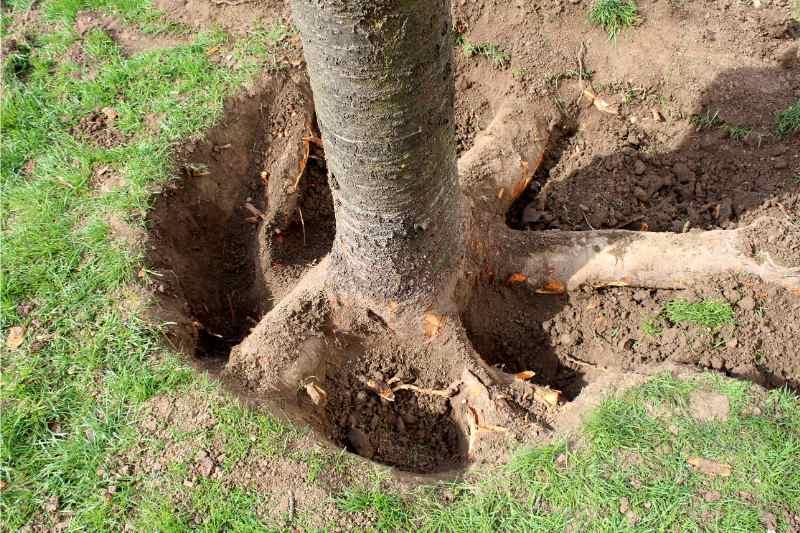
Blocked drains can cause unpleasant odours, slow drainage, overflowing water and disruption to homes and businesses. One often-overlooked cause is tree root intrusion, which occurs when roots grow into underground drainage pipes through small cracks, loose joints or damaged sections. Over time, these roots can restrict water flow, trap debris and contribute to serious drainage problems.
Understanding the causes of root intrusion and choosing the right removal method can help property owners protect their drainage systems and avoid recurring blockages. Whether you are experiencing repeated drain obstructions, unusual gurgling noises or persistent wastewater issues, identifying the underlying problem is essential for a long-lasting solution.
Root Removal in Edinburgh is an important drainage service for property owners who want to restore proper water flow, address root-related blockages and reduce the risk of further pipe damage. By combining suitable removal techniques with professional inspection and preventative maintenance, drainage specialists can identify the source of the problem and recommend an appropriate repair.
What Causes Tree Roots to Enter Underground Drains?
Tree roots naturally grow in search of water, oxygen and nutrients. Underground drainage pipes can provide a source of moisture, particularly when an existing pipe has developed a leak. Although roots do not normally break through an intact, properly sealed pipe, they can exploit weaknesses in older or damaged drainage systems.
Cracked or Damaged Drainage Pipes
Small cracks can develop because of ageing materials, ground movement, corrosion in suitable pipe materials or physical damage. Once wastewater escapes through these openings, nearby roots may grow towards the moisture. As the roots enter the pipe, they can expand and create further obstructions.
Loose Pipe Joints
Underground drainage systems contain joints that connect individual pipe sections. Over time, ground movement, poor installation or deterioration can cause these joints to separate. Even a small gap may allow fine roots to enter the drainage system and grow inside the pipe.
Mature Trees and Dense Vegetation
Properties with mature trees, established hedges or extensive vegetation may face a greater risk of root intrusion where vulnerable drainage pipes are nearby. However, the risk depends on several factors, including tree species, soil conditions, pipe depth, pipe condition and the distance between roots and drainage infrastructure.
Ageing Drainage Infrastructure
Older properties in Edinburgh may have drainage systems that have experienced years of wear, ground movement and repeated repairs. Where pipework has deteriorated, root intrusion may become more likely. A professional inspection can help determine whether the issue is caused by roots, structural defects or another drainage problem.
Common Signs of Root Intrusion in Drains
Recognising the warning signs early can help prevent a minor obstruction from developing into a more expensive drainage issue. Although these symptoms can also indicate other faults, repeated problems may justify a detailed inspection.
Slow-Draining Sinks, Baths and Toilets
When roots restrict the internal diameter of a drain, wastewater may struggle to pass through the pipe. You might notice that sinks empty slowly, baths retain water or toilets take longer than usual to drain. If several fixtures are affected simultaneously, the blockage could be located in a shared underground drainage line.
Repeated Drain Blockages
A blockage that returns shortly after cleaning may indicate that the underlying cause has not been resolved. Roots can remain attached to the pipe walls after a basic drain-clearing treatment, allowing grease, paper and other debris to accumulate again.
Unpleasant Drain Odours
Persistent smells around drains, inspection chambers or outdoor drainage areas may indicate trapped waste, stagnant water or a damaged pipe. While odours alone cannot confirm root intrusion, they should not be ignored when accompanied by recurring blockages.
Gurgling Sounds and Water Backups
Air trapped within a partially obstructed drainage system can produce bubbling or gurgling noises. In more severe cases, wastewater may back up into sinks, toilets or external inspection chambers. These symptoms can indicate a significant blockage that requires prompt attention.
Waterlogged Areas in the Garden
A damaged underground drain may release wastewater into surrounding soil, potentially creating unusually wet patches or localised ground changes. However, heavy rainfall, leaking water pipes and poor surface drainage can produce similar signs. An inspection is needed to establish the actual cause.
Professional Root Removal: Available Methods
In addition to Root Removal in Edinburgh the most suitable treatment depends on the amount of root growth, the condition of the pipe, the location of the blockage and whether structural damage is present. A reliable drainage assessment should identify the cause before a removal method is selected.
Mechanical Root Cutting
Mechanical root cutting uses specialist equipment to cut and remove root growth from inside a drainage pipe. Depending on the pipe layout and obstruction, technicians may use rotating cutting heads or other suitable tools to clear the affected section.
This method can restore water flow by removing roots that have accumulated inside the pipe. However, it is important to use equipment appropriate for the pipe material and condition. Aggressive cutting inside a fragile or severely damaged pipe could worsen an existing defect.
Mechanical removal is generally most effective when followed by an inspection to determine whether the roots entered through a crack, a displaced joint or another weakness.
High-Pressure Water Jetting
High-pressure water jetting uses specialised equipment to direct water through the drainage system, helping remove loose roots, accumulated debris, grease and other obstructions.
It can be useful for cleaning pipe walls and restoring flow after suitable root-cutting work. Nevertheless, water jetting alone may not remove established woody roots effectively in every situation. The equipment and pressure must also be selected according to the condition of the drainage system.
Where roots have entered through a structural defect, cleaning the pipe does not repair the opening that allowed them to grow inside.
CCTV Drain Surveys
A CCTV drain survey uses a specialist camera to examine the inside of underground drainage pipes. The footage can help locate root intrusion, identify cracks and displaced joints, and assess whether further cleaning or repair is necessary.
A camera inspection is particularly useful when blockages repeatedly return or when the location of the problem is unclear. It can also help establish the condition of the pipe after cleaning.
For property owners, this information supports more informed decisions about whether a straightforward clearance is sufficient or whether structural repairs are needed.
Drain Repair and Pipe Rehabilitation
Where roots have entered through damaged pipework, repairing the defect is essential to reduce the likelihood of recurrence. Depending on the severity and location of the damage, possible solutions include replacing a damaged section, repairing a joint or using a suitable trenchless pipe rehabilitation technique.
Trenchless methods may allow certain pipes to be repaired without excavating the entire affected length. However, their suitability depends on the pipe's condition, diameter, configuration and extent of damage.
A drainage specialist should explain the available options and recommend a repair that addresses the underlying defect rather than simply clearing the blockage.
Why Choose Professional Drainage Services?
Although some minor drainage obstructions can be resolved with basic maintenance, established tree roots inside underground pipes usually require specialist assessment and equipment. Professional assistance can help property owners understand the problem and avoid unsuitable treatment methods.
Accurate Identification of the Problem
Drainage symptoms can have several causes, including grease accumulation, collapsed pipes, displaced joints and foreign objects. A professional assessment helps distinguish between these issues and root intrusion.
Where necessary, a CCTV survey can provide direct evidence of the obstruction and the condition of the surrounding pipework.
Appropriate Equipment and Techniques
Different drainage systems require different treatment methods. Specialist equipment allows technicians to select a suitable approach based on pipe size, accessibility, material and the nature of the obstruction.
Using an appropriate method can improve the effectiveness of the clearance while reducing the risk of avoidable damage.
Reduced Risk of Recurring Blockages
Removing visible roots is only part of the solution when a pipe has a crack or loose joint. Identifying and repairing the entry point can reduce the likelihood of roots returning to the same location.
Although no treatment can guarantee that future root intrusion will never occur, addressing the underlying defect can provide a more durable result.
Clear Information for Property Owners
A good drainage service should explain what caused the blockage, what work is recommended and whether additional repairs may be necessary. Where a camera survey is carried out, the findings can help property owners understand the condition of their drainage system and plan future maintenance.
The Root Removal Process: What to Expect
Understanding the typical stages of professional drainage work can make it easier to prepare for a service appointment and assess the recommended treatment.
Step 1: Initial Assessment
The technician gathers information about the drainage symptoms, including when they began, whether they recur and which fixtures are affected. This helps identify the likely location and severity of the obstruction.
Step 2: Drain Inspection
Depending on the circumstances, the drainage system may be inspected through an accessible chamber or with CCTV equipment. The aim is to locate the obstruction and assess whether the pipe appears damaged.
Step 3: Root and Debris Clearance
A suitable removal technique is selected according to the findings. This may involve mechanical root cutting, water jetting or a combination of methods where appropriate.
Step 4: Checking the Drainage System
After clearance, the technician may inspect the pipe again and check that wastewater can flow correctly. A follow-up camera survey can help identify remaining root material or structural defects that require attention.
Step 5: Repair Recommendations
If the inspection reveals cracks, separated joints or other damage, the property owner can be advised about suitable repair options. Dealing with these defects helps address the cause of the problem instead of relying on repeated blockage removal.
Preventing Future Root-Related Drain Problems
Preventative maintenance can help identify developing drainage issues before they cause major disruption. While it is impossible to eliminate every risk from nearby vegetation, several practical measures can reduce the likelihood of recurring problems.
Arrange Periodic Drain Inspections
Properties with a history of root intrusion may benefit from periodic inspections, particularly when mature trees are located near underground drainage routes. The appropriate inspection frequency depends on the pipe condition, previous problems and surrounding environment.
Address Small Leaks Promptly
A leaking pipe can provide a moisture source that attracts nearby roots. If a survey identifies a defect, arranging a suitable repair can help reduce the opportunity for further root entry.
Manage Trees and Vegetation Carefully
When planting new trees or shrubs, consider their mature size and the location of existing drainage infrastructure. Seek appropriate advice before removing established trees or cutting major roots, as improper work can affect tree stability and surrounding structures.
Avoid Relying on Repeated Chemical Treatments
Chemical drain products are not a dependable substitute for professional removal of established woody roots or repair of damaged pipes. Some products may also be unsuitable for particular plumbing systems or harmful if used incorrectly.
If blockages keep returning, identifying the underlying cause is generally more useful than repeatedly applying temporary treatments.
Respond Quickly to Warning Signs
Persistent slow drainage, repeated backups, unusual smells and unexplained wet patches deserve attention. Early investigation may help identify a developing defect before it causes more extensive disruption.
How Much Does Root Removal Cost in Edinburgh?
The cost of root removal varies according to the complexity of the drainage problem. There is no single price that applies to every property because the extent of root growth and the condition of the pipework can differ considerably.
Factors That Affect the Price
The main factors influencing the cost may include:
-
Severity of the blockage: A small obstruction may require less work than extensive root growth throughout a pipe.
-
Drain accessibility: Difficult-to-access chambers or underground pipe sections can increase the time needed to complete the work.
-
Inspection requirements: A CCTV survey may be recommended to identify the obstruction and assess the pipe's condition.
-
Equipment required: Different root-cutting and cleaning methods have different operational requirements.
-
Structural repairs: Replacing a damaged pipe or repairing a failed joint will generally involve additional work beyond basic clearance.
-
Urgency of the call-out: Emergency attendance and out-of-hours services may have different pricing arrangements.
Before authorising work, ask for a clear explanation of the proposed treatment, any inspection charges and whether repairs are included in the quotation. This helps you compare services fairly and understand what the final price covers.
Choosing a Reliable Root Removal Specialist
Selecting a suitable drainage professional involves more than comparing the initial price. The quality of the inspection, suitability of the recommended method and clarity of communication can all influence the outcome.
Check Relevant Experience
Look for a provider with experience in underground drainage blockages, root intrusion, mechanical clearance and pipe repairs. Ask how the technician will determine whether roots have damaged the pipe.
Ask About Inspection and Repair Options
A reliable provider should be able to explain when a CCTV survey is appropriate and what happens if the inspection reveals structural damage. This is particularly important when blockages have occurred repeatedly.
Request a Clear Quotation
Before work begins, establish what is included in the quoted price. Clarify whether the cost covers the initial assessment, root removal, post-clearance checks and any additional repair work.
Prioritise Long-Term Solutions
The best approach is not always the quickest or cheapest initial clearance. Where roots have entered through a damaged joint or crack, addressing the defect may offer a more effective long-term solution than repeatedly removing the same obstruction.
Frequently Asked Questions About Root Removal
Can tree roots completely block a drain?
Yes. As roots grow inside a pipe, they can trap waste and other debris until water flow becomes severely restricted or stops altogether. The extent of the blockage depends on the amount of root growth and the condition of the pipe.
Can roots be removed without digging up the garden?
In some cases, yes. Mechanical root cutting and other specialist techniques can clear roots through an existing access point. If the pipe is badly damaged or has collapsed, excavation or another repair method may still be necessary.
Will removing the roots stop them from coming back?
Not necessarily. If the roots entered through an unrepaired crack or joint, they may grow back into the pipe. Inspecting the drainage system and repairing the entry point can reduce the likelihood of recurrence.
Is CCTV inspection necessary every time?
No. The appropriate inspection depends on the symptoms and the circumstances. However, CCTV inspection can be particularly helpful when blockages recur, the pipe condition is uncertain or a repair needs to be planned.
How quickly should a root-related blockage be treated?
A minor, slow-draining problem should be investigated before it worsens. If wastewater is backing up, an external drain is overflowing or several fixtures stop draining, arrange professional assistance promptly. Avoid contact with contaminated water and do not use affected fixtures unnecessarily.
Conclusion
Tree root intrusion can create persistent drainage problems, particularly when underground pipes have developed cracks, loose joints or other structural weaknesses. Recognising the warning signs, arranging an appropriate inspection and choosing a suitable removal method can help restore drainage flow and reduce the risk of further disruption.
From mechanical root cutting and high-pressure water jetting to CCTV surveys and targeted pipe repairs, the right solution depends on the condition of the drainage system. Preventative maintenance and timely repairs can also help protect underground pipework and reduce the likelihood of recurring blockages. For professional advice and drainage assistance, Edinburgh Drain Repair can help property owners understand their root-related drainage concerns and identify suitable next steps for maintaining a reliable drainage system.

 Polish
 English
 Arabic
 French
 Spanish
 Portuguese
 Turkish
 Dutch
Dutch
 Italiano
 Russian
 Romaian
 Portuguese (Brazil)
 Greek
Greek