
Vehicle Diagnostic Services: How Modern Car Diagnostics Find Hidden Problems Early
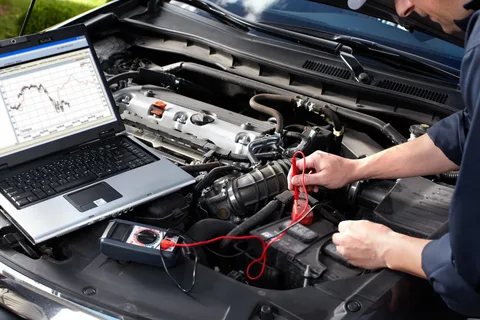
Modern vehicles are designed with advanced computer systems that monitor many parts of the car while you drive. These systems can detect changes in engine performance, emissions, electrical operation, braking, and other important functions. When something goes wrong, the vehicle may turn on a warning light or begin showing changes that are not immediately easy to understand. This is where vehicle diagnostic services can help identify the source of a problem before a small issue develops into a larger repair.
A diagnostic inspection is more than simply checking whether a warning light is on. Professional technicians can use specialized equipment to communicate with the vehicle computer and review stored information. The results can provide useful clues about what is happening inside the vehicle. When combined with a physical inspection and technician experience, this information can make the repair process more accurate and efficient.
For drivers in Baltimore, understanding when a vehicle needs diagnostic attention can help protect both the car and the family budget. A strange sound, unusual vibration, poor fuel economy, rough engine performance, or warning light should not always be ignored. Finding the cause early can make it easier to decide what needs to be repaired.
Vehicle Diagnostic Services Can Find Problems Before They Become Serious
Many vehicle problems start with symptoms that seem minor. A driver may notice that the engine feels slightly rough when idling or that the vehicle takes longer to accelerate. Sometimes the only warning is a dashboard light.
Modern vehicles contain multiple sensors and control modules. These components continuously collect information about how different systems are operating. If a sensor detects something outside the expected range, the computer may store a diagnostic trouble code.
Reading that code is an important first step, but it is not always the final answer. A code may point toward a particular system or component without proving that the component itself has failed. A trained technician needs to interpret the information and compare it with other symptoms.
This approach helps prevent unnecessary parts replacement. Instead of guessing, a technician can investigate the underlying problem and determine the appropriate next step.
Why Is a Check Engine Light Important?
The check engine light is one of the most recognizable warning signals in a vehicle. Some drivers continue driving because the vehicle still seems to run normally. While a warning light does not always mean an immediate breakdown is coming, it should not be ignored for an extended period.
A steady check engine light may indicate an issue that requires inspection. A flashing light can indicate a more serious problem that may require prompt attention. The exact meaning depends on the vehicle and the situation.
Possible causes can include:
-
Faulty sensors
-
Ignition problems
-
Emissions system issues
-
Fuel system concerns
-
Air intake problems
-
Catalytic converter problems
-
Electrical faults
-
Engine performance issues
A diagnostic inspection can help narrow down the possibilities. Once the cause is identified, the technician can explain the recommended repair and whether the vehicle is safe to continue driving.
Common Signs Your Vehicle May Need Diagnostic Attention
A dashboard warning light is not the only reason to have a vehicle checked. Cars often provide other clues when something is not operating correctly.
Pay attention to changes such as rough idling, hesitation during acceleration, unexpected stalling, reduced power, unusual smells, poor fuel economy, or difficult starting. A vehicle that suddenly behaves differently from normal deserves attention.
Strange sounds can also provide useful information. Clicking, knocking, humming, grinding, whining, or rattling may come from different systems. The sound alone may not identify the problem, but it gives a technician an important starting point.
Drivers should also pay attention to changes in how the vehicle feels. If the car shakes while driving, pulls to one side, responds slowly, or feels different during braking, an inspection may be appropriate.
How Modern Diagnostic Equipment Helps Technicians
Today's vehicles have sophisticated computer systems. Diagnostic equipment allows technicians to communicate with these systems and retrieve information that may not be visible to the driver.
Depending on the vehicle and problem, a technician may review stored trouble codes, sensor readings, system data, and other information. Some diagnostic processes may also involve testing electrical connections, inspecting components, checking fluids, or performing additional measurements.
Technology is valuable, but equipment alone does not repair a vehicle. The technician's ability to understand the results is equally important.
For example, a sensor-related code may be caused by a failed sensor, damaged wiring, a connection problem, or another issue affecting the system. Replacing the sensor without investigating the cause may not solve the problem.
That is why professional diagnostics combine computer information with practical inspection and automotive knowledge.
Vehicle Diagnostic Services Can Help Reduce Unnecessary Repairs
One of the biggest advantages of proper diagnostics is that they can reduce guesswork.
Imagine a driver notices poor acceleration. Several different problems could create similar symptoms. The issue could involve the ignition system, fuel delivery, air intake, sensors, or another component.
Replacing parts one at a time without identifying the cause can become expensive. A proper diagnostic process provides a more organized way to investigate the problem.
A technician can review the vehicle's symptoms, retrieve available computer information, inspect relevant components, and determine what additional testing is necessary. This makes it easier to recommend repairs based on evidence rather than assumptions.
Good diagnostics do not necessarily mean the repair will be inexpensive. Some problems require major repairs. However, identifying the actual cause helps the vehicle owner understand what is happening and make a more informed decision.
When Should You Schedule a Diagnostic Inspection?
There are several situations when a diagnostic inspection can be useful.
The first is when a dashboard warning light appears. Even if the vehicle seems to drive normally, getting the issue checked can prevent a small problem from being overlooked.
Another reason is a noticeable change in performance. If your vehicle begins losing power, using more fuel, hesitating, stalling, or starting poorly, professional testing can help identify the cause.
A diagnostic inspection may also be useful after a repair if the original symptom continues. Sometimes a problem involves more than one component, or a separate issue may have developed.
Drivers should also consider diagnostics when intermittent problems occur. Electrical and computer-related faults can sometimes appear and disappear, making them difficult to identify without proper testing.
Do Not Ignore Unusual Vehicle Behavior
Drivers become familiar with how their vehicles normally feel. That makes it easier to notice small changes.
Perhaps the engine sounds different during startup. Maybe the idle is less smooth than usual. The vehicle could be taking longer to accelerate or the transmission may feel different when changing gears.
These signs do not automatically mean a major repair is needed. However, they provide useful information. Addressing unusual behavior early may make it easier to find the cause before additional components are affected.
A small issue can sometimes place extra stress on another part of the vehicle. For example, an engine performance problem may affect fuel economy and drivability. An electrical issue can create problems across multiple systems.
Early attention gives the technician a better opportunity to identify the source.
Diagnostics Are Useful for Older and Newer Vehicles
Diagnostic testing is not only for newer cars. Older vehicles can also benefit from professional inspections when warning lights or performance problems occur.
Older vehicles may have worn components, aging wiring, leaking fluids, or mechanical problems that need careful evaluation. Newer vehicles often contain more advanced electronic systems and computer-controlled components.
In both cases, the goal is the same. The technician needs to understand the symptoms, identify the affected system, and determine what repair is appropriate.
Regular maintenance remains important regardless of vehicle age. Oil changes, fluid inspections, brake checks, tire care, battery testing, and other maintenance services can help identify developing issues before they become larger concerns.
What Happens During a Professional Diagnostic Visit?
A diagnostic appointment generally begins with a discussion about the vehicle's symptoms. The technician may ask when the problem started, whether it happens constantly, and whether anything changed before the issue appeared.
The vehicle may then be connected to diagnostic equipment. The technician can retrieve relevant information and compare it with the symptoms reported by the driver.
Additional testing may be needed. This could include a visual inspection, electrical testing, checking fluid levels, examining connections, or inspecting mechanical components.
Once the investigation is complete, the technician can explain the findings and recommended repairs.
A good diagnostic process should help the vehicle owner understand not only what needs attention but also why the repair is recommended.
Choosing the Right Auto Repair Shop for Diagnostics
Choosing a repair shop involves more than finding the closest location. Drivers should look for a shop with experienced technicians, appropriate diagnostic equipment, clear communication, and a strong reputation for quality work.
It is also helpful when a repair shop provides an explanation before major work begins. Understanding the problem and proposed solution gives the vehicle owner greater confidence.
Vince's Auto Repair in Baltimore offers vehicle diagnostics along with maintenance, brake repair, engine and transmission work, and electric vehicle maintenance. The shop states that its technicians have more than 20 years of experience each and provides free same-day estimates.
The company also states that repairs and maintenance are covered by a 2-year or 24,000-mile warranty, subject to its terms.
How Drivers Can Help With the Diagnostic Process
Vehicle owners can make the diagnostic process easier by providing as much information as possible.
Tell the technician when the problem happens. Explain whether it occurs when starting, accelerating, braking, turning, idling, or driving at higher speeds.
If a warning light appeared, mention when it first came on. If the problem is intermittent, describe how often it happens.
It can also help to mention recent repairs, maintenance, unusual noises, fluid leaks, or changes in driving conditions.
These details may help the technician connect the symptoms with the diagnostic information and narrow down possible causes.
Frequently Asked Questions
How often should a vehicle receive diagnostic testing?
There is no universal schedule for diagnostic testing because it is usually performed when a warning light, unusual symptom, or suspected problem appears. Routine maintenance inspections can also help identify issues before they become serious.
Can a diagnostic scan tell me exactly what part is broken?
Not always. A diagnostic code can identify a system or provide information about a possible fault, but additional testing may be needed to determine the exact cause. A qualified technician should interpret the results before recommending parts.
Should I drive with the check engine light on?
It depends on the warning and how the vehicle is operating. A steady light should be checked promptly, while a flashing light or serious drivability problem may require more immediate attention. When in doubt, have the vehicle inspected.
Can diagnostics find electrical problems?
Modern diagnostic equipment can provide valuable information about many electronic systems. However, electrical problems may also require physical inspection, voltage testing, wiring checks, and other procedures.
Are diagnostics useful before buying a used vehicle?
Yes. A professional inspection can provide additional information about the condition of a used vehicle. It should be combined with a physical inspection and review of the vehicle's history.
Keep Small Problems From Becoming Big Repairs
Your vehicle does not always wait for a major breakdown before giving you a warning. Small changes in performance, strange sounds, dashboard lights, and unusual driving behavior can all provide important clues.
Professional vehicle diagnostic services can help turn those clues into useful information. Instead of relying on guesswork, technicians can use diagnostic equipment, inspection procedures, and automotive experience to determine what may be causing the problem.
Regular maintenance is still one of the best ways to protect a vehicle, but diagnostics become especially valuable when something does not feel right. Acting early can help drivers understand the problem, plan the necessary repair, and keep their vehicle operating safely and reliably.
For Baltimore drivers, working with an experienced repair facility can make the process easier. Vince's Auto Repair provides diagnostic services alongside a range of maintenance and repair options, giving vehicle owners access to multiple forms of automotive care in one location.
The best approach is simple. Pay attention to your vehicle, do not ignore warning signs, and seek professional help when something changes. Early diagnosis can often make the path to the right repair much clearer.

 Polish
 English
 Arabic
 Spanish
 Portuguese
 Deutsch
 Turkish
 Dutch
Dutch
 Italiano
 Russian
 Romaian
 Portuguese (Brazil)
 Greek
Greek