Understanding Incontinence in Women and Frequent Urge to Urinate
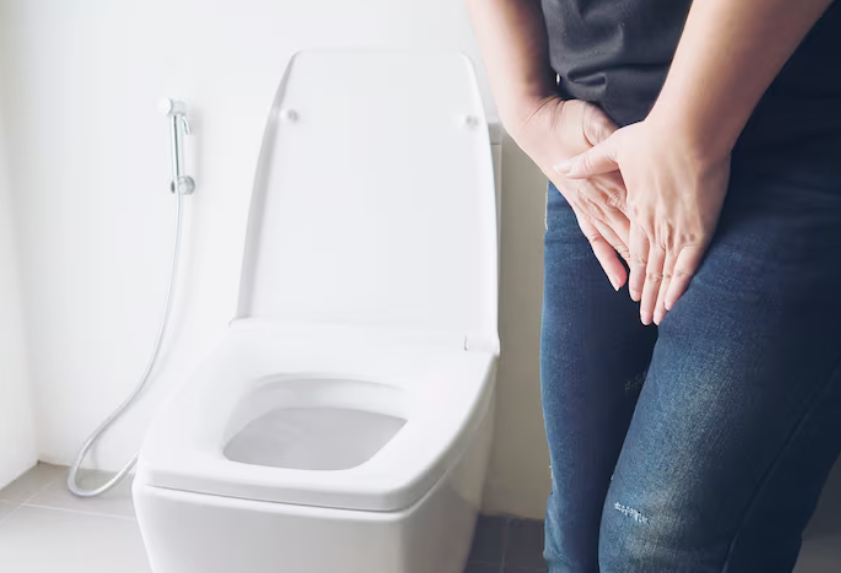
Urinary health is an important part of overall well-being, yet many women experience bladder-related concerns that can affect daily routines, confidence, sleep, exercise, and social activities. Two common concerns are incontinence in women and a frequent urge to urinate women may experience throughout the day. Although these symptoms can sometimes occur together, they may have different causes and require different approaches to management.
Understanding bladder symptoms can help women recognize changes in their urinary health and take appropriate steps toward finding solutions. With the right information and individualized care, many women can manage urinary symptoms effectively and continue participating in the activities they enjoy.
What Is Incontinence in Women?
Incontinence refers to the accidental leakage of urine. It can range from occasional leakage when coughing or laughing to sudden urges that make it difficult to reach a restroom in time. Incontinence in women can occur at different stages of life and may be influenced by pregnancy, childbirth, aging, hormonal changes, certain medications, lifestyle factors, or changes involving the pelvic floor and bladder.
There are several common forms of urinary incontinence. Stress incontinence can happen when activities such as coughing, sneezing, laughing, lifting, or exercising place pressure on the bladder. Urge incontinence involves a sudden, strong need to urinate that may be difficult to control. Some women experience a combination of stress and urge symptoms.
Occasional leakage may seem minor, but persistent symptoms can interfere with everyday activities. Women may begin avoiding exercise, long trips, social events, or situations where a restroom may not be readily available. Recognizing the symptoms early can make it easier to explore appropriate management strategies.
Understanding the Frequent Urge to Urinate
A frequent urge to urinate women experience may involve needing to use the bathroom more often than usual or feeling a sudden need to urinate even when the bladder is not completely full. The sensation can be inconvenient, particularly when it occurs during work, travel, exercise, or sleep.
Frequent urination can have many possible causes. Drinking large amounts of fluid, consuming caffeine, or certain dietary habits can increase the need to urinate. Other factors may include bladder irritation, urinary tract problems, changes in bladder function, or other health conditions.
It is useful to pay attention to when the symptoms occur. For example, some women may notice urgency primarily during the daytime, while others may wake several times during the night. Keeping track of bladder habits can provide useful information when discussing symptoms with a healthcare professional.
How Incontinence and Urgency Can Be Connected
Although leakage and urinary urgency are not identical, they can occur together. A woman who experiences a sudden and difficult-to-control urge may leak urine before reaching the bathroom. This is commonly associated with urge incontinence.
For women experiencing incontinence in women symptoms along with urgency, identifying patterns can be an important first step. Consider whether leakage occurs after physical activity, during a sudden urge, at night, or in response to specific beverages or situations.
Similarly, women experiencing a frequent urge to urinate women may notice that their symptoms become more noticeable during periods of stress, after consuming caffeinated drinks, or when their daily routine changes. Understanding these patterns can help guide conversations about possible management options.
Lifestyle Habits That May Support Bladder Health
Every woman's situation is different, but certain everyday habits may support healthy bladder function. Maintaining appropriate hydration is important because drastically reducing fluid intake may not be a suitable solution for urinary symptoms. Instead, women can pay attention to how different beverages affect their bladder.
Caffeine and other beverages may increase urinary frequency for some individuals. Keeping a simple record of drinks and symptoms can help identify personal triggers.
Regular physical activity can also support general health. Pelvic floor exercises are often discussed as one approach for strengthening muscles involved in bladder control. Learning the correct technique is important, so women may benefit from professional guidance when necessary.
Maintaining a healthy weight, managing constipation, and establishing regular bathroom habits may also contribute to better bladder management for some women.
Paying Attention to Warning Signs
Urinary symptoms should not always be dismissed as a normal part of aging. Sudden or persistent changes deserve attention, particularly when symptoms are new or becoming more disruptive.
Women should consider seeking medical advice if urinary changes are persistent, worsening, painful, or interfering significantly with everyday life. Symptoms such as blood in the urine, fever, significant pelvic pain, burning during urination, or other concerning changes may require prompt evaluation.
A healthcare professional can review symptoms, medical history, medications, lifestyle factors, and other relevant information. Depending on the situation, they may recommend further evaluation to determine what is contributing to the symptoms.
Treatment and Management Options
Management depends on the underlying cause and the type of urinary symptoms involved. Some women may benefit from behavioral approaches, pelvic floor therapy, bladder training, medication, medical devices, or other treatments recommended by a qualified healthcare professional.
Bladder training may involve gradually increasing the time between bathroom visits while responding appropriately to urinary signals. Pelvic floor therapy can provide personalized exercises and techniques designed to improve muscle coordination and bladder control.
For some women, specialized products or devices may also be considered as part of an overall management plan. These options should be selected based on individual needs and, when appropriate, discussed with a healthcare professional.
The goal is not simply to manage leakage but to help women feel more comfortable and confident in their daily lives.
When to Talk to a Healthcare Professional
Women sometimes hesitate to discuss urinary symptoms because they feel embarrassed or assume that leakage and urgency are unavoidable. However, urinary concerns are common and can often be evaluated and managed.
If incontinence in women is affecting exercise, work, sleep, travel, relationships, or other activities, discussing the symptoms with a healthcare professional can be worthwhile. The same applies when a frequent urge to urinate women experience becomes persistent or begins interfering with normal routines.
Before an appointment, it may help to record how often you urinate, when leakage occurs, what beverages you consume, and whether certain activities trigger symptoms. This information can help provide a clearer picture of your bladder habits.
Taking a Proactive Approach to Urinary Health
Bladder symptoms can affect physical comfort as well as emotional well-being. Women should not feel that they have to organize their lives around the nearest restroom or avoid activities because of fear of leakage.
Understanding incontinence in women and recognizing patterns associated with a frequent urge to urinate women experience can be an important step toward better bladder management. While symptoms can have many possible causes, effective management begins with recognizing changes and seeking appropriate guidance.
With attention to daily habits, professional evaluation when needed, and personalized treatment strategies, women can take meaningful steps toward managing urinary symptoms. Better bladder health can support greater confidence, improved comfort, and more freedom to enjoy everyday activities without allowing urinary concerns to control the day.

 Polish
 English
 Arabic
 Spanish
 Portuguese
 Deutsch
 Turkish
 Dutch
Dutch
 Italiano
 Russian
 Romaian
 Portuguese (Brazil)
 Greek
Greek