
Custom Tailoring in Bangkok: Understanding the Process, Fit, and Fabric Choices
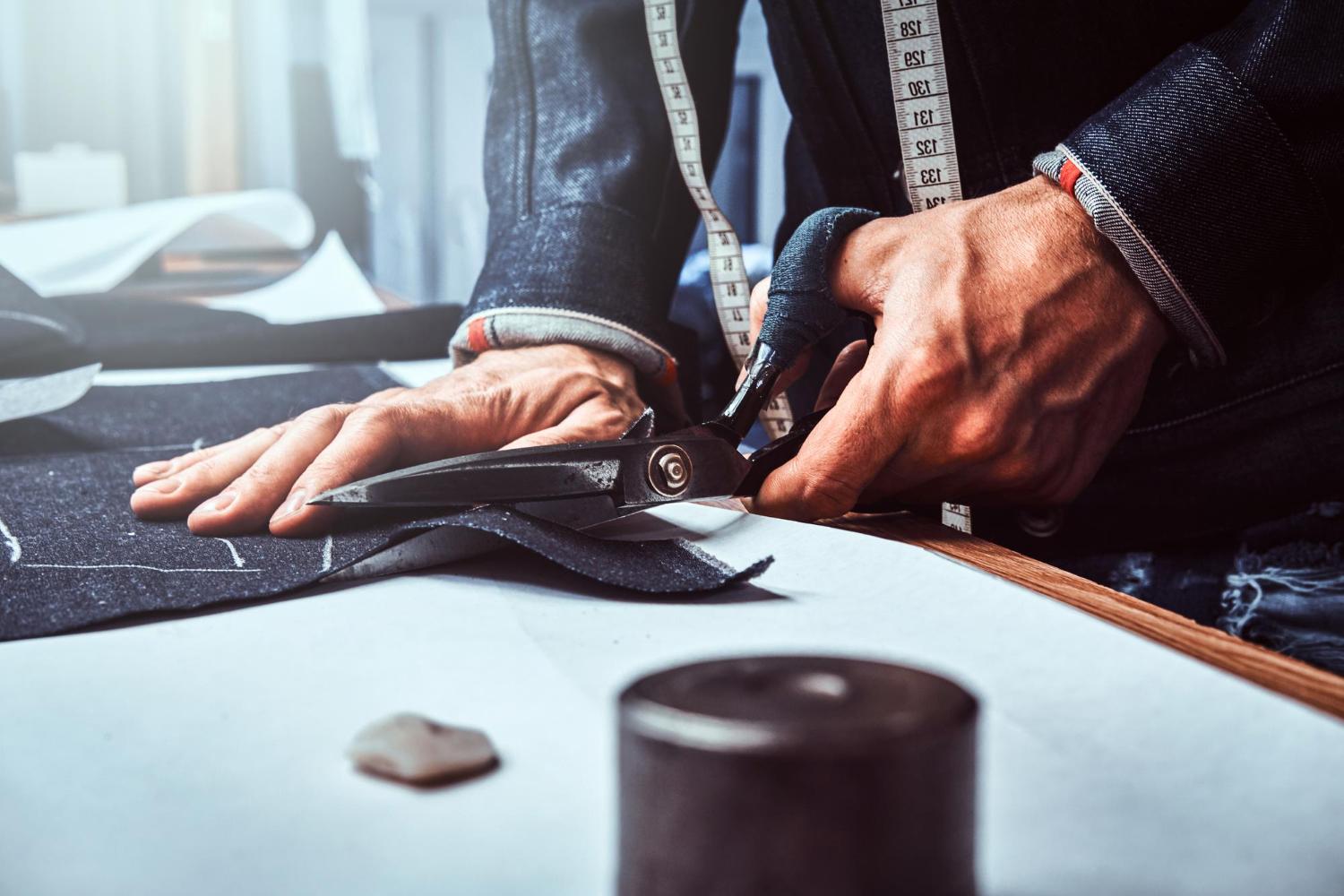
Custom tailoring in Bangkok is a process centered on creating garments according to an individual's measurements, preferred fit, fabric requirements, and design details. Unlike ready-to-wear clothing, custom-tailored garments are developed with greater attention to personal proportions and specific wearing requirements. For people in the United States researching tailoring in Bangkok, understanding how the process works can provide useful context before arranging a garment.
What Custom Tailoring in Bangkok Involves
Custom tailoring generally begins with a consultation. During this stage, the tailor discusses the type of garment required, its intended use, preferred style, and general fit. The customer may also select details such as fabric, color, lapel design, pockets, buttons, vents, and trouser configuration.
Measurements are then taken to account for individual body proportions. These can include chest, waist, shoulder, sleeve, inseam, and jacket-length measurements. Depending on the tailoring method, these measurements may be used to create an individual pattern or modify an existing pattern.
The garment is subsequently constructed and presented for fitting. Adjustments can be made based on how the garment sits and moves on the body. This process distinguishes custom tailoring from conventional retail sizing.
The Importance of Accurate Measurements
Measurements play a central role in custom tailoring. A person's body shape is rarely identical to standardized clothing dimensions, which can result in issues such as excess fabric, restrictive movement, uneven jacket balance, or incorrect sleeve and trouser lengths.
During custom tailoring, measurements are taken with these variations in mind. Shoulder slope, posture, chest shape, waist position, and other proportions can influence how a suit or other tailored garment should be constructed.
However, measurements alone do not determine the final fit. A fitting allows the tailor to observe the garment on the wearer and identify areas that need refinement. This can include adjusting the jacket's waist, sleeve length, trouser break, or overall balance.
Fabric Selection for Bangkok's Climate
Climate is an important consideration when discussing custom tailoring in Bangkok. Bangkok has a tropical climate characterized by high temperatures and humidity for much of the year. As a result, fabric weight, breathability, and comfort can influence the suitability of a garment.
Lightweight wool is commonly considered for tailored clothing intended for warm conditions because it can provide structure without excessive weight. Linen and linen-blend fabrics may also be considered when airflow is a priority, although they tend to wrinkle more readily.
Fabric selection should also take the garment's intended destination into account. A person from the US may wear the finished garment in a substantially different climate. A suit intended for summer use in a warm US region can have different fabric requirements from one designed for colder conditions.
Selecting a Suitable Fit
Custom tailoring allows the wearer to choose how closely a garment follows the body. A slim fit generally uses a more defined shape, while a regular or relaxed fit allows additional room for movement.
The appropriate choice depends on comfort, body proportions, professional expectations, and intended use. A suit designed for frequent business wear may benefit from a balanced fit that permits comfortable movement throughout the day.
The jacket should allow natural movement across the shoulders and arms without excessive pulling. Trousers should provide sufficient room around the waist, seat, and thighs while maintaining the desired silhouette.
Design Details in Custom Tailoring
One of the defining characteristics of custom tailoring is the ability to determine individual garment details. For suits, these can include single- or double-breasted fronts, notch or peak lapels, pocket styles, jacket vents, button arrangements, and trouser pleats.
These choices can affect both appearance and practicality. For example, different pocket configurations may suit different uses, while lapel width can influence the visual proportions of a jacket.
Design decisions are generally most effective when they are based on the garment's intended purpose rather than temporary fashion trends. A classic configuration may provide greater versatility, while distinctive details can be selected for specific formal or personal requirements.
Fittings and Alterations
Fittings are an essential part of the custom tailoring process. The first fitting provides an opportunity to assess the garment before it reaches its final form. The tailor can examine the shoulders, chest, waist, sleeves, jacket length, and trousers for potential adjustments.
Additional fittings may be necessary depending on the garment and construction method. During these appointments, the wearer may move naturally, sit, walk, or raise the arms. Such movements can reveal problems that are not visible when standing still.
Clear communication during fittings is also important. Feedback regarding tightness, movement, length, or comfort can help determine which alterations are appropriate.
Considerations for US Customers
People traveling from the United States should consider the time required for custom tailoring in Bangkok. Multiple visits may be needed for measurements, fittings, adjustments, and final collection. Planning appointments in advance can help accommodate these stages within a travel itinerary.
The intended use of the garment should also be discussed before fabric and construction choices are finalized. A garment that works well in Bangkok's climate may not necessarily be ideal for every region of the US.
Travelers should also clarify completion timelines, fitting procedures, alteration arrangements, and methods of transporting the finished garment before beginning the process.
Conclusion
Custom tailoring in Bangkok involves a combination of measurement, fabric selection, design decisions, garment construction, and fitting. The process provides an alternative to standardized sizing by allowing clothing to be developed around individual proportions and requirements.
For people from the US, climate, travel schedules, intended use, and future wearing conditions are important factors to consider. Understanding each stage of custom tailoring can help set realistic expectations about the time, decisions, and fittings involved in creating a tailored garment in Bangkok.

 Polish
 English
 Arabic
 Spanish
 Portuguese
 Deutsch
 Turkish
 Dutch
Dutch
 Italiano
 Russian
 Romaian
 Portuguese (Brazil)
 Greek
Greek