
What to Consider Before Adding Cod Liver Oil to Your Routine
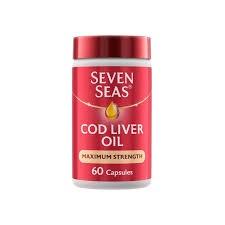
Cod liver oil has been used for generations as a source of important nutrients, particularly omega-3 fatty acids and vitamins A and D. Today, it remains a popular supplement among people who want to support their overall nutritional intake. However, choosing and using cod liver oil should involve more than simply picking a bottle from a store shelf.
Different products can vary in their ingredients, concentrations, serving sizes, and formulations. Understanding what cod liver oil contains and how it fits into your diet can help you make a more informed decision. Before adding it to your daily routine, there are several important factors worth considering.
What Is Cod Liver Oil?
Cod liver oil is obtained from the livers of cod fish. Unlike many standard fish oil supplements, cod liver oil naturally contains omega-3 fatty acids along with vitamins A and D.
Omega-3 fatty acids include EPA and DHA, nutrients that are involved in several normal functions throughout the body. Vitamin D contributes to normal bone and immune function, while vitamin A is important for vision, immune function, and other biological processes.
The nutritional profile of cod liver oil is one reason it has remained popular as a dietary supplement.
Understand Why You Want to Take It
Before purchasing cod liver oil, think about your reason for adding it to your routine. Some people take it because they do not regularly consume oily fish, while others want a convenient source of omega-3 fatty acids.
Having a clear goal can help you choose a product that matches your needs. Cod liver oil should not be viewed as a cure or treatment for a medical condition. Instead, it can be considered one potential way to complement a balanced diet.
If you already consume oily fish regularly, you may already be getting significant amounts of omega-3 fatty acids through food.
Check the Omega-3 Content
Not all cod liver oil products provide the same amount of EPA and DHA. Therefore, checking the label is important.
Rather than focusing only on the total amount of oil in a capsule, look for information about the actual omega-3 content. Some products clearly list the amounts of EPA and DHA per serving.
Comparing these figures can help you understand what you are actually getting from each serving.
Pay Attention to Vitamins A and D
One of the main differences between cod liver oil and many regular fish oil supplements is that cod liver oil naturally contains vitamins A and D.
These vitamins are important nutrients, but excessive intake can also be problematic, particularly when high amounts are consumed from multiple supplements.
Before adding cod liver oil, review other supplements you currently take. A multivitamin or vitamin D supplement may already contain some of these nutrients. Looking at your total intake can help you avoid unnecessary duplication.
Consider the Serving Size
Serving sizes can vary between products. Some cod liver oil supplements come in capsules, while others are available as liquid oils.
Always read the manufacturer's directions and check how much oil is provided per serving. Taking more than the recommended amount does not necessarily provide additional benefits and may increase your intake of certain nutrients.
A product with a convenient serving size may also make it easier to maintain a consistent routine.
Compare Product Quality
Quality is an important consideration when purchasing any dietary supplement. Look for clear labeling that identifies the source of the oil, serving size, nutritional content, ingredients, manufacturer, and storage instructions.
If you are researching Seven seas cod liver oil price in pakistan, do not compare products based on price alone. Check the formulation, capsule or liquid size, omega-3 content, vitamin information, and authenticity of the product before deciding which option provides the best value.
A very low price is not necessarily a sign of better value, while a higher price does not automatically guarantee superior quality.
Check the Source and Ingredients
The source of cod liver oil may be important to consumers who have allergies or dietary preferences. People with fish allergies should be particularly careful and should review the ingredient information before using a fish-derived supplement.
Some products may also contain flavoring agents, capsule materials, antioxidants, or other ingredients. Reading the complete label can help you identify anything you may want to avoid.
If you have a known allergy or sensitivity, consult a healthcare professional before introducing a new supplement.
Think About Your Overall Diet
Supplements are designed to complement your diet rather than replace nutritious foods. A healthy eating pattern should remain the foundation of your nutritional routine.
Oily fish such as salmon, sardines, and mackerel can provide omega-3 fatty acids along with protein and other nutrients. Other foods, including nuts, seeds, vegetables, fruits, and whole grains, can contribute to an overall balanced diet.
If your diet already contains plenty of omega-3-rich foods, discuss your supplement needs with a healthcare professional before adding additional sources.
Understand Omega-3 Fatty Acids
Omega-3 fatty acids are essential fats that the body needs. EPA and DHA are two important long-chain omega-3 fatty acids commonly found in fish and fish oils.
They are involved in normal cardiovascular, brain, and visual functions. However, the amount of omega-3 in a supplement can differ substantially depending on the product.
This is why reading the label is more useful than simply choosing a product based on the words "fish oil" or "cod liver oil" on the package.
Consider Taste and Form
Liquid cod liver oil may be economical and easy to adjust according to the manufacturer's serving instructions, but some people may dislike its taste or texture.
Capsules can be more convenient for people who prefer not to taste the oil. They are also portable and easy to incorporate into a daily supplement routine.
When selecting between liquid and capsule forms, think about which option you are most likely to use consistently.
Think About Storage
Proper storage is another factor that should not be overlooked. Follow the storage instructions provided by the manufacturer.
Liquid oils may require particular storage conditions after opening. Keeping the container tightly closed and stored as directed can help maintain product quality.
Always check the expiry date and avoid using supplements that have changed noticeably in appearance, smell, or taste.
Be Careful With Multiple Supplements
Taking several supplements at once can sometimes result in overlapping nutrients. This is particularly relevant with cod liver oil because it can provide vitamins A and D in addition to omega-3 fatty acids.
For example, someone taking a multivitamin, vitamin D supplement, and cod liver oil should consider the combined intake from all three products.
Keeping a simple list of your supplements can make it easier to identify overlapping ingredients and discuss them with a healthcare professional.
Consider Possible Medication Interactions
Fish oil and cod liver oil supplements may not be appropriate for everyone, particularly people taking certain medications.
Individuals using medicines that affect blood clotting, for example, should discuss omega-3 supplementation with a doctor or pharmacist before starting it. The same applies to people preparing for certain medical procedures or those managing ongoing health conditions.
Never change prescribed medication because of information found on a supplement label or online article.
Choose a Reputable Seller
Where you purchase a supplement can also matter. Look for established sellers that provide clear product information and properly sealed products.
Counterfeit or improperly stored supplements may not provide the same quality or contents as authentic products. Check packaging, labeling, expiry information, and other details when purchasing.
If something about a product appears unusual, seek confirmation from the manufacturer or an authorized seller before consuming it.
Give Your Routine Time
Adding any supplement to your routine should be approached realistically. Dietary supplements are not designed to produce overnight changes.
If you decide to use cod liver oil, follow the recommended serving instructions and focus on maintaining a balanced diet and healthy lifestyle at the same time.
Consistency, appropriate nutrition, regular physical activity, adequate sleep, and other healthy habits all contribute to long-term wellness.
Who Should Seek Professional Advice?
Although cod liver oil is widely available, certain people should seek professional advice before taking it. This includes individuals who are pregnant or breastfeeding, people taking regular medication, those with specific medical conditions, and anyone already using multiple vitamin or mineral supplements.
A doctor, pharmacist, or registered dietitian can help determine whether cod liver oil is appropriate and how it may fit into your overall nutritional plan.
Final Thoughts
Cod liver oil can provide omega-3 fatty acids as well as vitamins A and D, making it an interesting nutritional supplement for some people. However, choosing the right product requires careful consideration of its nutritional profile, serving size, quality, ingredients, source, and your existing diet.
Before adding cod liver oil to your routine, read the label carefully and consider whether you are already receiving similar nutrients from food or other supplements. If you take medications or have specific health considerations, professional guidance is especially important.
With a thoughtful approach, you can make a better-informed decision about whether cod liver oil is a suitable addition to your everyday wellness routine.

 Polish
 English
 Arabic
 French
 Spanish
 Portuguese
 Deutsch
 Dutch
Dutch
 Italiano
 Russian
 Romaian
 Portuguese (Brazil)
 Greek
Greek