Occipital Neuralgia Diagnosis and Options of Treatment In Ennis
Pain that starts at the back of the head and travels toward the scalp or behind the eyes can be difficult to ignore. Many people mistake this discomfort for a migraine or a regular headache, but it may be caused by occipital neuralgia. Recognizing occipital neuralgia symptoms early is important because this condition affects the occipital nerves and can become more painful over time if left untreated.
Getting occipital neuralgia treatment in Ennis can help relieve pain and improve your quality of life. Occipital neuralgia is a condition that develops when the occipital nerves become irritated, inflamed, or compressed. If your headaches continue despite home remedies, consulting a pain management doctor in Ennis can help identify the cause and recommend appropriate treatment.
What is Occipital Neuralgia?
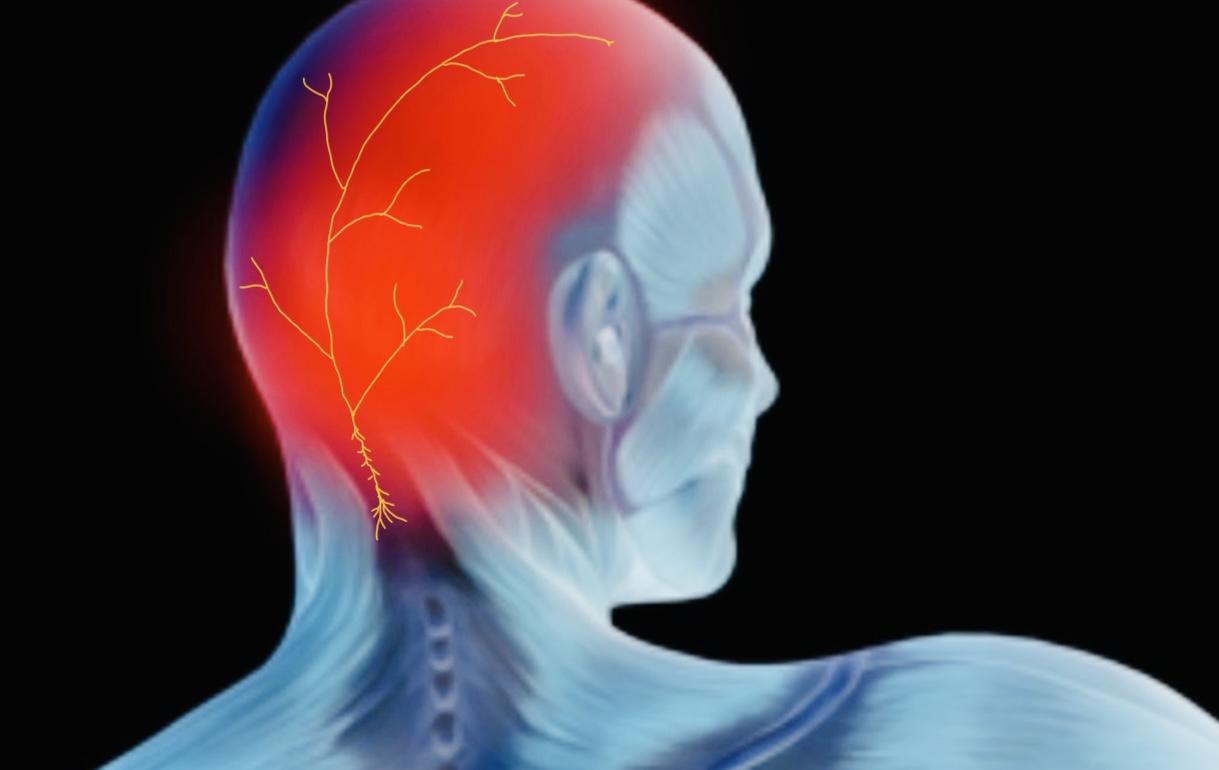
Occipital neuralgia is a nerve disorder that affects the greater, lesser, or third occipital nerves, which run from the upper neck to the back of the head. When one or more of these nerves become irritated or compressed, they can send pain signals to the scalp, neck, and behind the eyes. Unlike a typical headache, occipital neuralgia involves nerve pain that may come in sudden, sharp bursts or continue as a constant aching discomfort.
This condition may affect one side of the head or both sides, depending on the nerve involved. Although occipital neuralgia is less common than tension headaches or migraines, it can have a significant impact on daily activities. Early diagnosis helps distinguish it from other headache disorders and allows treatment to begin before symptoms become more severe.
Occipital Neuralgia Symptoms
The symptoms of occipital neuralgia vary from person to person but usually involve pain that begins in the upper neck or back of the head. The pain may come and go or remain constant throughout the day. Many people describe it as sharp, stabbing, burning, or electric shock-like pain that spreads along the scalp.
As the condition progresses, additional symptoms may develop due to ongoing nerve irritation. Some individuals experience scalp tenderness, sensitivity to light, or pain behind the eyes. Even simple movements, such as turning the head or resting on a pillow, may trigger discomfort.
Common Signs of Occipital Neuralgia
Recognizing the symptoms early can help you seek treatment before nerve pain becomes more difficult to manage.
-
Pain at the base of the skull
-
Sharp or stabbing pain in the back of the head
-
Burning or throbbing pain along the scalp
-
Pain behind one or both eyes
-
Tenderness when touching the scalp
-
Pain that worsens with neck movement
-
Sensitivity to light
-
Pain on one or both sides of the head
-
Tingling or numbness in the scalp
-
Headaches triggered by pressure on the neck
What Causes Occipital Neuralgia?
Occipital neuralgia develops when the occipital nerves become irritated, compressed, or inflamed. This may occur because of neck injuries, muscle tightness, arthritis in the upper cervical spine, poor posture, repetitive neck strain, or previous surgery involving the neck. In some cases, no clear cause is identified.
People who spend long hours looking down at computers or mobile devices may place additional strain on the muscles surrounding the occipital nerves. Over time, this tension can contribute to nerve irritation and recurring pain. Identifying the underlying cause helps healthcare providers recommend the most appropriate treatment for long-term symptom relief.
How is Occipital Neuralgia Diagnosed?
Diagnosing occipital neuralgia begins with a detailed review of your symptoms, medical history, and physical examination. Your doctor will ask where the pain starts, how it feels, how long it lasts, and what activities make it worse. During the examination, gentle pressure may be applied along the occipital nerves to identify areas of tenderness and determine if the pain can be reproduced.
Since occipital neuralgia can resemble migraines or other headache disorders, additional tests may be recommended to rule out other conditions. Imaging studies such as MRI or CT scans can help evaluate the neck and spine for structural problems that may be compressing the nerves. An accurate diagnosis allows your healthcare provider to recommend the most effective treatment plan.
Advanced Treatment Options for Occipital Neuralgia
The goal of occipital neuralgia treatment Ennis is to reduce nerve irritation, relieve pain, and improve daily function. Treatment depends on the severity of symptoms, the underlying cause, and how much the condition affects your quality of life. Many patients improve with conservative care, while others may benefit from advanced pain management procedures.
An experienced occipital neuralgia specialist will create a treatment plan based on your symptoms and diagnostic findings. Early treatment may reduce pain episodes and help prevent the condition from becoming chronic.
Medications and Physical Therapy
Treatment often begins with medications that reduce inflammation, relax tight muscles, or calm irritated nerves. Physical therapy may also be recommended to improve neck mobility, strengthen supporting muscles, and reduce tension around the occipital nerves.
Stretching exercises, posture correction, and ergonomic adjustments can help reduce pressure on the nerves and lower the chance of recurring pain. Many patients notice gradual improvement when these approaches are combined with medical treatment.
Occipital Nerve Block
An occipital nerve block is a minimally invasive procedure used to reduce inflammation and interrupt pain signals from the affected nerves. During the procedure, a local anesthetic, often combined with a corticosteroid, is injected near the occipital nerves.
Many patients experience significant pain relief after an occipital nerve block, with benefits lasting from weeks to several months. The procedure may also help confirm the diagnosis by showing that the occipital nerves are the source of the pain.
Advanced Pain Management Procedures
If symptoms continue despite conservative treatment, additional interventional pain management options may be considered. These procedures focus on reducing nerve irritation and improving long-term pain control while avoiding major surgery whenever possible.
A pain management doctor in Ennis will determine if advanced treatments are appropriate based on your condition, imaging results, and response to previous therapies.
When Should You See a Specialist?
Occasional headaches are common, but recurring pain at the back of the head should not be ignored. If the pain becomes frequent, spreads behind the eyes, limits neck movement, or does not improve with rest or over-the-counter medication, a professional evaluation is recommended. Early diagnosis can help identify the cause before symptoms become more severe.
If you are looking for an occipital nerve pain treatment clinic in Ennis, consulting an experienced specialist can help you receive a comprehensive evaluation and effective treatment. Early care may reduce pain, improve mobility, and help you return to your normal activities.
Conclusion
Occipital neuralgia can cause persistent pain that affects your comfort, sleep, and daily routine. Recognizing occipital neuralgia symptoms early can lead to faster diagnosis and more effective treatment. With the right combination of medication, physical therapy, interventional procedures, and ongoing medical care, many people experience significant pain relief and improved quality of life. An experienced pain management doctor in Ennis can evaluate your symptoms, identify the source of your pain, and recommend the most appropriate treatment plan. Early treatment from experts such as Dr Rao K Ali can help reduce nerve irritation, improve daily function, and support long-term pain relief.
Frequently Asked Questions
1. What are the first symptoms of occipital neuralgia?
The earliest symptoms often include sharp or burning pain at the back of the head, pain at the base of the skull, scalp tenderness, and pain that may spread behind one or both eyes. The discomfort may come in sudden bursts or continue as a constant ache.
2. How is occipital neuralgia different from a migraine?
Occipital neuralgia is caused by irritation or compression of the occipital nerves, while migraines are a neurological headache disorder. Occipital neuralgia usually causes stabbing pain that begins in the upper neck or back of the head, whereas migraines often involve throbbing head pain, nausea, and sensitivity to light or sound.
3. What is an occipital nerve block?
An occipital nerve block is a minimally invasive injection that delivers a local anesthetic and, in many cases, a corticosteroid around the occipital nerves. It can reduce inflammation, interrupt pain signals, provide temporary or long-lasting relief, and help confirm the diagnosis.
4. Can occipital neuralgia be treated without surgery?
Yes. Most people improve with non-surgical treatments such as medications, physical therapy, lifestyle changes, and interventional procedures like nerve blocks. Surgery is generally considered only for severe cases that do not respond to conservative treatment.
 Spanish
 Polish
 English
 Arabic
 French
 Portuguese
 Deutsch
 Turkish
 Dutch
Dutch
 Italiano
 Russian
 Romaian
 Portuguese (Brazil)
 Greek
Greek