
Why Regular Property Checks Help Protect Your Home
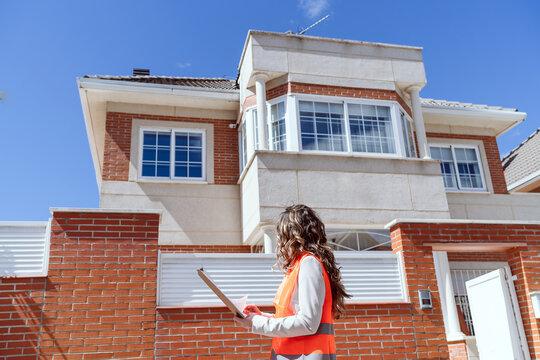
A house is one of the biggest investments most people will ever make, so keeping it in good condition should always be a priority. Regular inspections help homeowners understand the current condition of their property and identify small concerns before they turn into expensive repairs. Whether the property is newly built or several decades old, every home experiences wear over time. A detailed inspection provides useful information about different parts of the house, allowing owners to plan maintenance with confidence. It also offers peace of mind by confirming that important systems and structures are functioning as expected.
What an Interior Inspection Usually Covers
An interior inspection focuses on the visible areas inside a home to evaluate their condition and performance. Walls, ceilings, floors, doors, windows, stairways, and built-in fixtures are carefully examined for signs of damage or deterioration. Inspectors also look for evidence of moisture, cracks, uneven surfaces, and ventilation concerns. Electrical outlets, plumbing fixtures, and heating or cooling vents may also be reviewed to identify potential issues. The goal is not only to find existing problems but also to point out areas that could require future attention.
Why Routine Inspections Save Money
Many homeowners wait until something breaks before calling for help, but this approach often leads to higher repair costs. Regular inspections make it possible to detect minor problems while they are still easy and affordable to fix. A small plumbing leak, for example, can eventually cause water damage, mold growth, or structural weakening if left unnoticed. By identifying these issues early, homeowners can avoid emergency repairs and protect the overall value of their property. Preventive maintenance is almost always more cost-effective than major restoration work.
Common Problems Found Inside Homes
Even well-maintained homes can develop hidden issues over time. Moisture stains, loose flooring, damaged drywall, poor ventilation, and aging electrical components are among the most common findings during inspections. Windows and doors may no longer seal properly, allowing outside air to enter and reducing energy efficiency. Inspectors also pay attention to signs of previous repairs that may need further evaluation. Finding these concerns early allows homeowners to make informed decisions and schedule repairs before conditions become worse.
Preparing for an Inspection
Preparing a home before an inspection helps the process move smoothly and ensures every important area can be evaluated. Homeowners should provide clear access to utility rooms, electrical panels, attic entrances, and other important spaces. Personal belongings should be moved away from walls or equipment that requires inspection. It is also helpful to make a list of any concerns noticed around the home, such as unusual noises, water stains, or areas that seem damaged. Sharing this information with the inspector allows for a more complete evaluation of the property.
The Importance of Professional Experience
Although homeowners can perform basic visual checks themselves, professional inspectors have the knowledge and training to recognize issues that are easy to overlook. Experienced Local home inspectors Gulf Breeze FL understand common building materials, construction methods, and the signs of developing structural or mechanical problems. They follow a systematic inspection process that provides a detailed understanding of the property's condition. Their findings help homeowners prioritize repairs and maintenance while reducing uncertainty about the home's overall performance.
When an Interior Inspection Is Most Helpful
There are several situations where a detailed Home interior inspection Gulf Breeze FL becomes especially valuable. Buyers often schedule inspections before purchasing a property to better understand its condition and avoid unexpected expenses after moving in. Sellers may also request inspections before listing their homes to identify repairs that could improve buyer confidence. Existing homeowners benefit from periodic inspections as part of regular maintenance, particularly after severe weather, major renovations, or many years of normal use. Routine evaluations help ensure that the property continues to perform safely and efficiently.
Tips for Maintaining Your Home Between Inspections
Keeping a home in good condition requires regular attention throughout the year. Checking for plumbing leaks, replacing air filters, cleaning gutters, and monitoring windows and doors for drafts are simple maintenance tasks that help prevent larger problems. Homeowners should also inspect ceilings and walls for signs of moisture and ensure that smoke detectors and carbon monoxide alarms are functioning correctly. Addressing small maintenance needs as they arise reduces the likelihood of significant repairs and helps preserve the home's value over time.
Making Smart Decisions for Long-Term Property Care
A home inspection is much more than a checklist of visible features. It provides valuable information that helps homeowners understand the condition of their property and make informed maintenance decisions. Regular evaluations support safer living conditions, improve energy efficiency, and reduce the risk of costly repairs. Whether someone is buying, selling, or simply maintaining a property, scheduling periodic inspections is a practical investment in the future of the home. By staying proactive and addressing concerns early, homeowners can enjoy greater confidence knowing their property remains comfortable, functional, and well protected for many years.

 Polish
 English
 Arabic
 French
 Spanish
 Portuguese
 Deutsch
 Turkish
 Dutch
Dutch
 Italiano
 Russian
 Portuguese (Brazil)
 Greek
Greek