
How Cities Can Prepare for Future Flood Risks
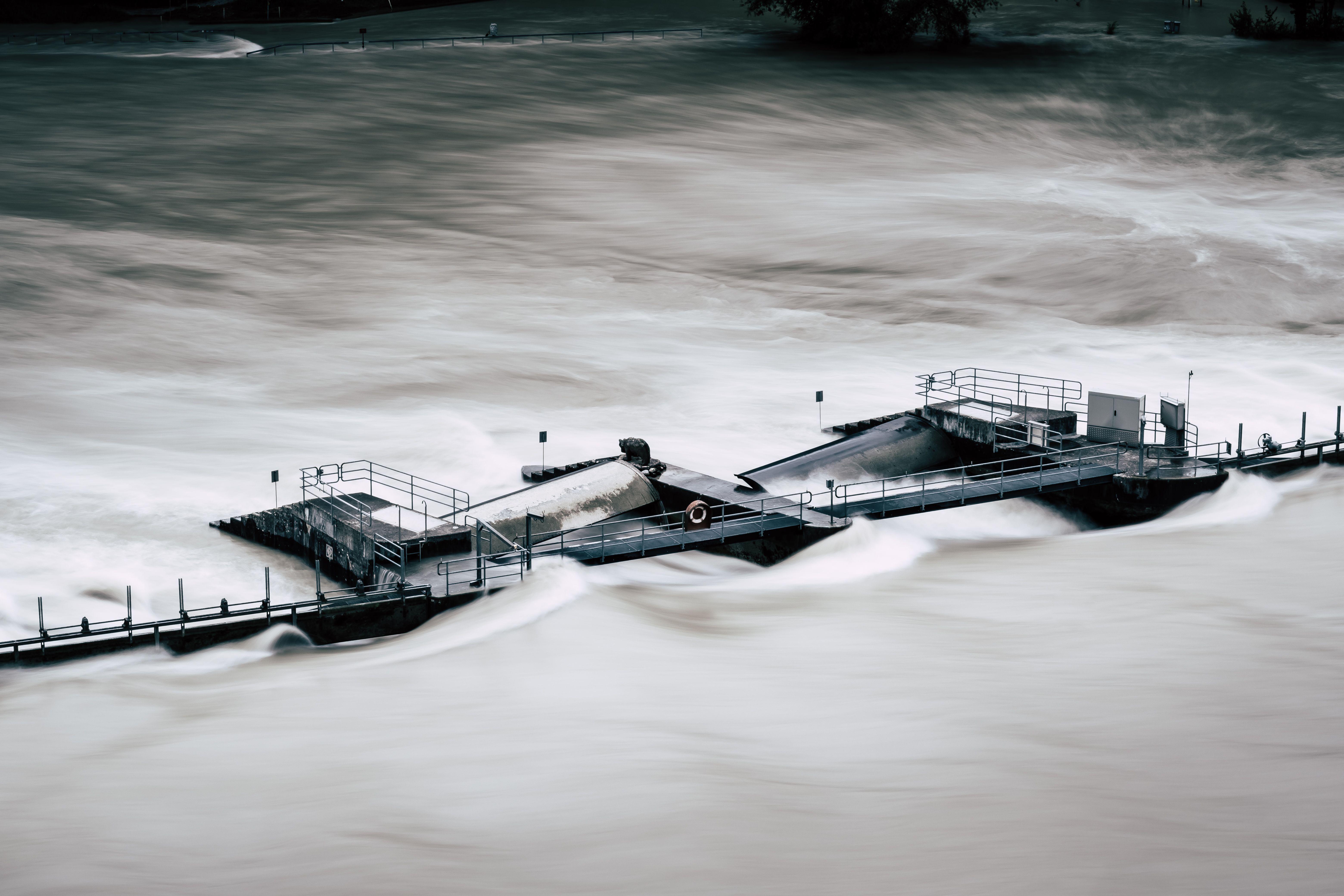
Flooding has become one of the most significant challenges facing communities around the world. As cities grow and weather patterns become more unpredictable, the risk of flooding increases, threatening homes, businesses, transportation networks, and critical public infrastructure. That's why flood risk management has become a top priority for local governments and infrastructure professionals.
Preparing for future floods requires more than responding to emergencies. It involves long-term planning, resilient infrastructure, advanced engineering, and data-driven decision-making that helps communities reduce risk before disasters occur.
What Is Flood Risk Management?
Flood risk management is the process of identifying, evaluating, and reducing the likelihood and impact of flooding through planning, engineering, infrastructure improvements, and emergency preparedness.
Rather than focusing solely on flood response, flood risk management aims to reduce damage before flooding occurs while improving a community's ability to recover quickly after major storm events.
Why Flood Risks Are Increasing
Several factors are contributing to higher flood risks across many communities.
Urban Development
As cities expand, more natural land is replaced with roads, parking lots, and buildings. These hard surfaces prevent rainwater from soaking into the ground, increasing runoff and placing greater pressure on drainage systems.
Aging Infrastructure
Many stormwater systems, culverts, and drainage networks were built decades ago and were not designed to handle today's population growth or more intense rainfall events.
Changing Weather Patterns
Many regions are experiencing heavier rainfall, stronger storms, and more frequent extreme weather events, increasing the likelihood of both flash flooding and river flooding.
Development Near Floodplains
Construction in flood-prone areas increases the number of people, businesses, and public assets exposed to flooding.
The Impact of Flooding on Communities
Flooding affects much more than roads and buildings.
Communities may experience:
-
Property damage
-
Business interruptions
-
Transportation disruptions
-
Utility failures
-
Environmental damage
-
Public health concerns
-
Expensive recovery costs
Proactive planning helps reduce these impacts while improving long-term community resilience.
Strategies for Managing Future Flood Risks
Improve Stormwater Infrastructure
Modern drainage systems help communities safely collect and move stormwater during heavy rainfall events.
Upgrading aging infrastructure can significantly reduce flooding.
Preserve Natural Floodplains
Floodplains naturally store excess water during storms.
Protecting these areas reduces downstream flooding while supporting healthy ecosystems.
Invest in Green Infrastructure
Nature-based solutions can improve stormwater management while enhancing urban environments.
Examples include:
-
Rain gardens
-
Bioswales
-
Green roofs
-
Permeable pavement
-
Urban tree planting
These features slow runoff and encourage water to infiltrate the ground naturally.
Update Flood Hazard Studies
Accurate flood mapping and hydraulic modeling help communities better understand where flood risks exist and how those risks may change over time.
These studies support smarter development decisions and infrastructure investments.
Strengthen Emergency Planning
Preparedness plans help communities respond more effectively when flooding occurs.
Regular training, communication strategies, and coordination among emergency agencies improve response efforts.
The Role of Technology in Flood Risk Management
Modern technology provides valuable tools for understanding and reducing flood risks.
Organizations increasingly rely on:
-
Geographic Information Systems (GIS)
-
Hydraulic and hydrologic modeling
-
LiDAR mapping
-
Drone surveys
-
Remote monitoring sensors
-
Rainfall forecasting
-
Data analytics
These technologies improve planning accuracy and support more informed infrastructure decisions.
Building More Resilient Communities
Flood resilience goes beyond preventing floods.
Communities should also focus on:
-
Designing adaptable infrastructure
-
Planning for future population growth
-
Protecting critical facilities
-
Maintaining drainage systems
-
Coordinating regional watershed planning
A long-term approach helps communities recover faster while reducing future risks.
Common Challenges
Many municipalities face obstacles such as:
-
Limited funding
-
Aging infrastructure
-
Increasing development pressures
-
Regulatory requirements
-
Uncertain weather conditions
Strategic planning helps communities prioritize investments that provide the greatest long-term benefits.
How Freese & Nichols Supports Flood Risk Management
Freese & Nichols partners with municipalities, utilities, and public agencies to develop comprehensive flood risk management solutions.
Their multidisciplinary teams provide watershed planning, flood studies, hydraulic modeling, drainage design, floodplain management, resilience planning, and capital improvement strategies.
By combining engineering expertise with advanced technology and data-driven analysis, Freese & Nichols helps communities better understand flood risks, protect critical infrastructure, and prepare for future growth.
Conclusion
Flood risk management is an essential part of building safer, stronger, and more resilient communities. As cities continue to grow and weather events become more intense, proactive planning and modern infrastructure solutions are more important than ever.
By investing in resilient infrastructure, protecting natural systems, and using advanced engineering tools, communities can reduce flood impacts and improve long-term sustainability.
Freese & Nichols helps public agencies develop practical flood risk management strategies that protect people, infrastructure, and the environment for years to come.
Short Summary
Flood risk management helps communities reduce the likelihood and impact of flooding through strategic planning, resilient infrastructure, stormwater improvements, floodplain management, and modern engineering technologies. As cities grow and weather patterns evolve, proactive flood planning becomes increasingly important. Freese & Nichols provides engineering and consulting services that help municipalities prepare for future flood risks and build more resilient communities.
Frequently Asked Questions
1. What is flood risk management?
Flood risk management is the process of reducing flood hazards through planning, engineering, infrastructure improvements, and emergency preparedness.
2. Why are flood risks increasing?
Urban development, aging infrastructure, changing weather patterns, and construction near flood-prone areas all contribute to increased flood risks.
3. How can cities reduce future flood risks?
Cities can improve stormwater infrastructure, protect floodplains, invest in green infrastructure, update flood studies, and strengthen emergency planning.
4. What technologies are used in flood risk management?
Common technologies include GIS, hydraulic modeling, LiDAR mapping, drone surveys, rainfall forecasting, and data analytics.
5. How does Freese & Nichols help communities manage flood risks?
Freese & Nichols provides watershed planning, hydraulic modeling, drainage design, floodplain management, resilience planning, and engineering solutions that help communities prepare for future flooding and protect critical infrastructure.
 Spanish
 Polish
 English
 Arabic
 French
 Portuguese
 Deutsch
 Turkish
 Dutch
Dutch
 Italiano
 Russian
 Romaian
 Portuguese (Brazil)
 Greek
Greek