
How Proper Lawn Drainage Protects Homes in Mt. Orab
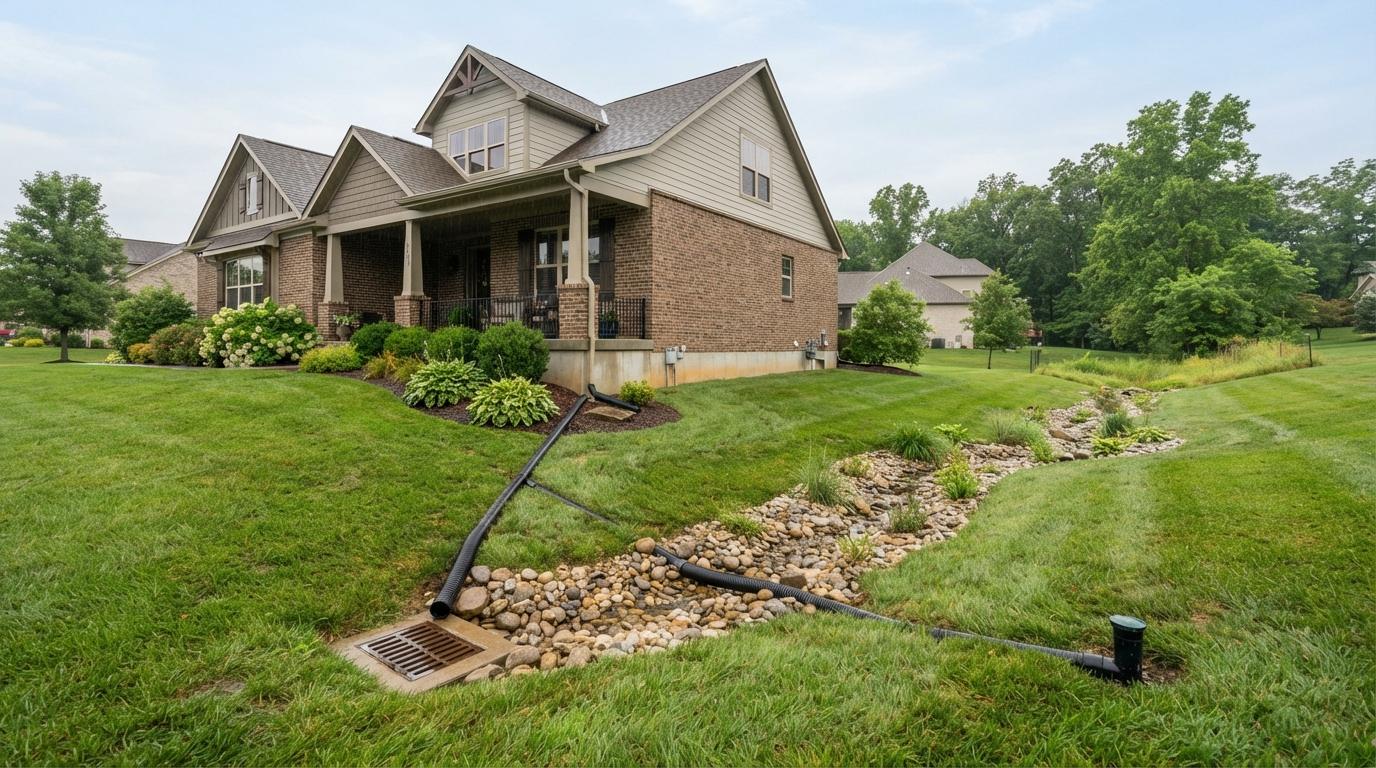
A green lawn can make any home look nice. But what happens when rainwater stays in your yard for too long? A wet lawn can cause many problems. It can harm grass, damage plants, and even affect your home's base. Poor drainage may also lead to muddy spots, bad smells, and standing water. That is why every homeowner should pay attention to lawn drainage.
Keeping your yard clean and well cared for is also important. A junk removal service in Mt. Orab, OH can help clear unwanted items that block outdoor spaces and create trouble. Good drainage and regular yard care work well together. They help keep your home safe, clean, and ready for every season.
Why Is Proper Lawn Drainage Important for Your Home?
Water needs a clear path to move away from your home. When rainwater cannot flow away, it starts to build up. This may seem like a small issue at first. But over time, it can cause costly damage.
Good drainage helps keep your lawn dry and your home safe. It also makes outdoor spaces easier to use. You can walk across your yard without stepping into deep mud. Your plants can grow in soil with the right amount of water.
For homeowners in Mt. Orab, regular yard care matters. Local weather can bring heavy rain, cold days, and changing seasons. These changes can affect how water moves through your yard. Getting help from landscaping services in Mt. Orab, OH can make it easier to keep your outdoor space in good shape.
1. It Helps Protect Your Home's Foundation
Your home's base is one of its most important parts. It holds the whole house in place. Too much water near this area can cause trouble.
When rainwater stays close to the walls, it may enter small cracks. Over time, this can lead to damp walls and water in your basement. Wet soil can also place extra pressure on foundation walls.
Good drainage moves water away from the house. This helps keep the soil near your foundation from staying too wet.
What Should You Watch For?
-
Water that sits near your home after rain.
-
Small cracks in basement walls.
-
Damp spots near the floor.
-
A musty smell inside the basement.
-
Soil that stays wet for many days.
These signs do not always mean your foundation has damage. Still, they should not be ignored. A home check can help find the cause before the problem gets worse.
2. It Keeps Your Lawn Healthy
Grass needs water to grow. But too much water can hurt it. When the soil stays wet, grass roots may not get enough air.
This can make the lawn weak. Some areas may turn yellow or brown. You may also notice bare spots where grass stops growing.
Good drainage helps water move through the soil. It also helps keep the ground in better shape.
Simple Ways to Keep Grass Healthy
-
Avoid watering the lawn after heavy rain.
-
Remove leaves that cover large areas of grass.
-
Keep drains and water paths clear.
-
Do not walk on very wet grass.
-
Check low spots where water often collects.
Small steps can make a big change. A healthy lawn starts with soil that has the right balance of air and water.
3. It Helps Stop Soil From Washing Away
Heavy rain can move soil from one place to another. This is called soil erosion. It often happens when water flows too fast over bare ground.
You may see small lines or cuts in your lawn. These can grow into deeper paths after more rain. Soil may also wash away from flower beds and tree roots.
This can make your yard look uneven. It may also leave plant roots open to damage.
Plants, mulch, and grass can help hold soil in place. A good water path can also slow the flow of rainwater.
4. It Helps Keep Your Basement Dry
A wet basement can be a big problem for any homeowner. Water may enter through wall cracks, floor joints, or other weak spots.
A poor drainage system can make this issue worse. Rainwater may collect near the house and slowly find its way inside.
Good yard drainage can lower the amount of water near your home. It is not a fix for every basement leak, but it is an important part of water care.
Signs of a Wet Basement
-
Water marks on walls.
-
Damp floors after rain.
-
Peeling paint.
-
A strong musty smell.
-
Mold or mildew growth.
If water enters your basement, find the source. You may need help from a trained basement or drainage expert. Do not cover wet areas without fixing the cause.
5. It Makes Your Outdoor Space Safer
Standing water can make your yard hard to use. Mud can make walkways slippery. Puddles may also attract bugs, such as mosquitoes.
Children and pets may have trouble playing in wet areas. You may also track mud into your home.
Good drainage helps keep paths and lawn areas more useful. It also lowers the chance of slips near wet steps and walkways.
A clean and dry yard is easier to enjoy. You can spend more time outside without worrying about muddy spots.
What Causes Poor Lawn Drainage in Mt. Orab?
There are many reasons why water may not drain well. Some problems come from the soil. Others may be linked to the shape of your yard or blocked drains.
Finding the cause is the first step toward a lasting fix.
Heavy Rain and Local Weather
Rain can fall hard during some parts of the year. When too much water reaches the ground at once, the soil may not take it in fast enough.
This can lead to puddles and wet areas. The problem may be worse in yards with poor slopes or compact soil.
Homeowners should check their yards after strong storms. Look for places where water stays for a long time.
Soil That Holds Too Much Water
Some types of soil drain more slowly than others. Clay soil is one common example. Its tiny soil parts can hold water for longer periods.
This may cause wet spots, even after light rain. Adding the right soil mix or using a drainage plan may help.
A soil test can show what your yard needs. It is better to know the soil type before making big changes.
A Yard With Low Spots
Some yards have dips or low areas. Rainwater often moves toward these spots and collects there.
These areas may stay muddy for days. Grass may also struggle to grow in these places.
A good yard slope helps guide water away from your home. Small changes in the ground may improve water flow.
Blocked Gutters and Downspouts
Gutters collect rainwater from your roof. Downspouts carry that water toward the ground.
When gutters fill with leaves and dirt, water may spill over their sides. A blocked downspout can also send water toward your home's base.
Check your gutters often. Make sure the water flows out and away from your house.
Soil Packed Down by Foot Traffic
Heavy foot traffic can press soil together. This makes it harder for water to move through the ground.
Cars, lawn tools, and outdoor work can also pack down the soil. This is common in areas used again and again.
Soil that is packed too tightly may need to be loosened. Lawn care experts can help choose the right method.
How Can You Improve Lawn Drainage?
You do not always need a large project to improve drainage. Some simple steps may help a lot. The best choice depends on your yard, soil, and water problems.
1. Clean Gutters and Downspouts
Start with your roof drainage system. Remove leaves, dirt, and other items from your gutters.
Check that each downspout is clear. Water should flow away from your home's base.
You can use a safe downspout extension to move water farther away. Make sure the water does not flow toward a neighbor's yard or public path.
2. Improve the Slope of Your Yard
The ground around your home should guide water away from the foundation. If the soil slopes toward your house, water may collect near the walls.
A trained worker can check the slope. They can suggest small changes to help water move in the right direction.
Do not add large amounts of soil without checking the result. Poor changes can block siding, vents, or other parts of your home.
3. Use a French Drain
A French drain is a simple system that helps move water away. It often uses a trench, a drain pipe, and clean stone.
Water enters the stone and flows into the pipe. The pipe then carries it toward a safe outlet.
This system can help with wet areas in some yards. But it must be planned well. The wrong slope or outlet can cause more water problems.
4. Add Plants That Can Handle Wet Soil
Some plants can grow well in soil that stays moist. These plants may help improve the look of wet areas.
Their roots can also help hold soil in place. But plants alone cannot fix a major drainage issue.
Choose plants that suit your soil and sunlight. A local garden expert can help you make the right choice.
5. Use Mulch in Garden Beds
Mulch can help protect soil from heavy rain. It also helps slow water flow and keeps the ground from drying too fast.
Use a suitable layer around trees and plants. Keep mulch away from direct contact with your home's siding and base.
Do not pile it too high around tree trunks. Too much mulch can harm plants.
6. Check Your Yard Drains
Some homes have outdoor drains that collect rainwater. These drains can become blocked with leaves, dirt, and small branches.
Check them from time to time. Remove loose items that you can reach safely.
If water still does not flow, the pipe may be blocked. A drain expert can check the system and find the problem.
When Should You Check Your Lawn Drainage?
The best time to check your yard is before and after heavy rain. This helps you see where water flows and where it stays.
You should also check your drainage system during seasonal yard care.
Spring Checks
Spring rain can leave yards wet for long periods. Look for puddles, soft soil, and blocked drains.
Clear old leaves and plant waste. Check your gutters and downspouts before the next storm.
Summer Checks
Summer storms can bring a lot of rain in a short time. Watch for water that moves across the lawn too fast.
Check areas near patios, driveways, and garden beds. These hard surfaces can change how water flows.
Fall Checks
Falling leaves can block gutters and outdoor drains. Clean them before the wet and cold months begin.
Remove dead plants and loose branches. Keep water paths clear before winter weather arrives.
Winter Checks
Frozen ground may stop water from moving through the soil. Snow and ice can also change how water flows around your home.
Watch for ice near walkways and downspouts. Keep paths clear when it is safe to do so.
Common Lawn Drainage Mistakes Homeowners Should Avoid
Some quick fixes can make drainage problems worse. It is best to understand what your yard needs before making changes.
Ignoring Small Puddles
A small puddle may not seem like a big issue. But if it returns after every storm, it may point to a drainage problem.
Watch the same area for a few weeks. Note how long the water stays after rain.
Sending Water Toward Your Neighbor's Yard
Water should not be moved from one property to another without care. This may cause damage or lead to disputes.
Plan a safe path for water. Follow local rules and ask a drainage expert when needed.
Covering Wet Areas With More Soil
Adding soil may seem like an easy fix. But it can raise the ground near your home's siding.
This may lead to other problems. Check the slope and ground level before adding soil.
Using Too Much Water on the Lawn
Overwatering can make a drainage problem worse. Grass does not need extra water when the soil is already wet.
Check the soil before using a sprinkler. Water only when your lawn needs it.
Forgetting to Clear Outdoor Waste
Leaves, sticks, and loose waste can block water paths. This may cause water to collect in the wrong places.
Keep your yard clean. Remove items that may block drains or stop water from moving.
How Does Regular Yard Care Support Better Drainage?
A clean yard is easier to check and maintain. When waste builds up, it can hide drainage issues.
Old branches, broken pots, unused tools, and other items may block parts of your outdoor space. Removing them makes it easier to spot wet areas and care for your lawn.
Regular care also helps protect plants and outdoor paths. It gives you a clear view of your yard after each storm.
Keep Leaves and Branches Under Control
Leaves can cover drains and low spots. Branches may block water paths or collect in corners.
Clear them often, especially during fall. This small task can help water move more freely.
Keep Garden Beds Neat
Overgrown plants may hide water problems. They can also make it hard to reach drains and garden edges.
Trim plants when needed. Remove dead parts and keep garden beds easy to inspect.
Check Hard Surfaces
Driveways, patios, and paths can guide water toward your lawn or home. Look for areas where water runs in the wrong direction.
If you see cracks or uneven spots, have them checked. Repairs may help stop water from collecting.
When Should You Call a Drainage Expert?
Some drainage issues need more than basic yard care. You should ask for expert help when the problem keeps coming back.
A trained worker can check the soil, slope, drains, and water paths. They can also suggest a plan that fits your yard.
Consider getting help when:
-
Water stays in your yard for several days.
-
Your basement gets wet after rain.
-
Soil keeps washing away.
-
Water flows toward your foundation.
-
Your lawn has large muddy areas.
-
Outdoor drains overflow often.
Ask what is causing the problem before agreeing to a repair. A good expert should explain the issue in clear words.
You should also ask about the cost, work plan, and care needed after the repair. Get the details in writing when the work is large.
How Proper Lawn Drainage Can Save Money Over Time
Good drainage may cost money at first. But it can help lower the risk of costly repairs later.
Water near a home's foundation can lead to damage. Poor lawn drainage can also harm grass, plants, and outdoor paths.
Fixing drainage early may help avoid larger problems. It can also make your yard easier to care for.
The cost of a drainage project depends on many things. These include yard size, soil type, the amount of water, and the repair method.
Ask for more than one estimate when possible. Compare the work included, not just the price.
A low price may not include all needed work. Make sure you understand what each estimate covers.
Final Thoughts
Proper lawn drainage plays a big part in keeping your home safe. It helps protect your foundation, grass, plants, and outdoor spaces.
For homeowners in Mt. Orab, regular checks are a smart habit. Rain, changing weather, and soil type can all affect water flow.
Start with simple steps. Clean your gutters, clear outdoor waste, and watch for puddles after rain. Check your yard during every season.
If water keeps building up, do not ignore it. Find the cause and get advice from a trained expert. A good drainage plan can help keep your home and lawn in better shape for years.
Frequently Asked Questions
1. Why Does My Lawn Hold Water After Rain?
Your lawn may hold water because of clay soil, poor slopes, or packed ground. Blocked drains can also cause this issue. Check where the water collects and how long it stays.
2. How Long Should Water Stay on My Lawn After Rain?
Small puddles may dry within a few hours. Large or deep puddles that stay for more than a day may point to a drainage issue. The time can change with soil type and weather.
3. Can Poor Lawn Drainage Damage My Home?
Yes, poor drainage can raise the risk of water near your foundation. This may lead to damp walls or basement leaks. It is important to move rainwater away from your home.
4. What Is the Best Way to Fix a Wet Lawn?
The best fix depends on the cause. You may need better soil flow, a yard slope change, or a drain system. Check the problem before choosing a repair.
5. How Often Should I Check My Yard Drainage?
Check your yard after heavy rain and during seasonal cleanup. Look at gutters, downspouts, drains, and low spots. Regular checks can help you find small issues early.
 Spanish
 Polish
 English
 Arabic
 French
 Portuguese
 Deutsch
 Turkish
 Dutch
 Italiano
 Russian
 Romaian
 Portuguese (Brazil)
 Greek