
Vapes and Lithium Batteries: Safety Rules for Home, Bags and Journeys
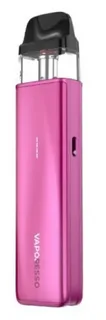
Battery Safety for Rechargeable Vaping Devices: Charging, Carrying, Storing and Retiring Them Properly
For adult smokers and vapers aged 18+ only. Nicotine is addictive.
Every rechargeable device carries a lithium battery, and a lithium battery rewards careful handling. Most rechargeable vaping devices, including e-cigarettes, pod systems and other battery-powered vaping products, work safely for years. The rare failures usually trace back to a few avoidable habits: cheap chargers, loose carrying, heat and damaged cells. This article covers those habits in the order you meet them, from the first charge to final disposal. It explains what causes battery faults, which warning signs matter and how to keep a device safe at home, in a bag and on a journey.
Why Batteries Fail
Lithium cells store a lot of energy in a small space. Faults happen when that energy is released the wrong way.
|
Cause |
What Happens |
Prevention |
|
Physical damage |
Internal short circuit |
Do not drop, crush or puncture |
|
Overheating |
Cell degradation, swelling |
Keep away from heat and sunlight |
|
Wrong charger |
Overcharge or unstable current |
Use the supplied or a compatible cable |
|
Loose pocket contact |
Short against keys or coins |
Carry in a case or separate pocket |
|
Age and wear |
Reduced capacity, swelling |
Retire old or damaged devices |
Charging Habits That Protect the Cell
-
Use the cable supplied with the device, or a compatible one from a reputable maker
-
Plug into a wall adapter or port with a standard rating
-
Charge on a hard, non-flammable surface, never on bedding or sofas
-
Stay nearby while charging, and never leave it charging overnight
-
Unplug once it is full
-
Avoid charging a device that is hot or visibly damaged
Cheap, unbranded chargers are a common weak point, because voltage and current may not match what the battery expects.
Warning Signs Worth Acting On
Stop using a device immediately if you notice any of these.
|
Sign |
Likely Meaning |
Action |
|
Swelling or bulging body |
Gas build-up inside the cell |
Stop using it and keep it away from flammable items |
|
Unusual heat during use or charging |
Internal fault |
Unplug and set it on a non-flammable surface |
|
Hissing, popping or chemical smell |
Cell failure |
Move away, ventilate and keep clear |
|
Cracks or dents in the casing |
Possible internal damage |
Retire the device |
|
Rapid battery drain |
Worn or damaged cell |
Replace the device |
If a device overheats or begins to smoke, treat it as an emergency and follow local fire safety guidance rather than handling it.
Carrying Devices Safely
Bags and pockets are where many incidents begin.
-
Use a case or a separate compartment, away from keys, coins and tools
-
Keep devices out of hot cars and sunny dashboards
-
Avoid crushing pressure under heavy items
-
Do not carry loose spare batteries unprotected
Storage at Home
|
Condition |
Better Practice |
|
Room temperature |
Cool, dry place away from windows |
|
Long-term storage |
Partial charge rather than full or empty |
|
Children and pets |
Out of reach and sight |
|
Liquids |
Stored separately, upright and sealed |
Travelling With a Device
Airlines and transport operators treat lithium batteries carefully. In general, devices belong in hand luggage, not checked bags, with protection against accidental activation. Rules differ by airline and destination, so check them before you travel.
Choosing and Buying Safely
Counterfeit devices often use poor cells and weak protection circuitry. When you compare options at a trustworthy vape shop online, look for visible business details, genuine age verification, clear product specifications and returns terms. On arrival, check that printing is sharp and correctly spelled, batch codes and health warnings are present, and seals are intact. Prices far below the market often point to counterfeit stock.
In the EU, nicotine e-liquid is capped at 20mg/ml and refillable bottles are limited to 10ml, so confirm the label as well.
Disposable and Rechargeable Devices Compared
|
Feature |
Sealed Disposable |
Rechargeable Pod Kit |
|
Battery access |
None, sealed |
Charged by you |
|
Charging risk |
Not applicable unless the model supports it |
Depends on charger and habits |
|
End-of-life |
Whole device discarded |
Battery retired with the device |
|
Refilling |
Never, unsafe and can damage it |
Designed for refilling |
Never refill, modify or force-charge a disposable that is not designed for it.
Retiring a Device Responsibly
A finished device still holds charge, so it needs the right disposal route.
-
Stop using it once it fails, swells or overheats.
-
Store it in a cool, dry place away from flammable items until you can drop it off.
-
Take it to an electrical or battery recycling point.
-
Do not put it in household waste or ordinary recycling.
Want to read more if yes then click here
Frequently Asked Questions
Is it safe to charge a device overnight?
No. Avoid leaving any lithium battery charging unattended, and unplug it once full.
Can I use a phone charger?
Often yes, if it is a reputable, standard-rated charger and the cable matches the device, but check the manual first.
What should I do if my device gets hot?
Stop using it, unplug it, place it on a non-flammable surface and keep it clear. Do not use it again.
Why did my device swell?
Gas builds up when a cell is damaged or degraded. Stop using it and dispose of it through an electrical or battery recycling point.
Can I take a device on a plane?
Usually in hand luggage only, with protection against accidental activation. Check airline and destination rules.
How do I spot a counterfeit device?
Look for poor printing, missing batch codes or warnings, broken seals and unrealistically low prices.
Are these products suitable for non-smokers?
No. They are only for adults who already smoke or vape.

 Polish
 Arabic
 French
 Spanish
 Portuguese
 Deutsch
 Turkish
 Dutch
 Italiano
 Russian
 Romaian
 Portuguese (Brazil)
 Greek