
PP Multifilament High strength synthetic fiber ideal for ropes and durable textiles
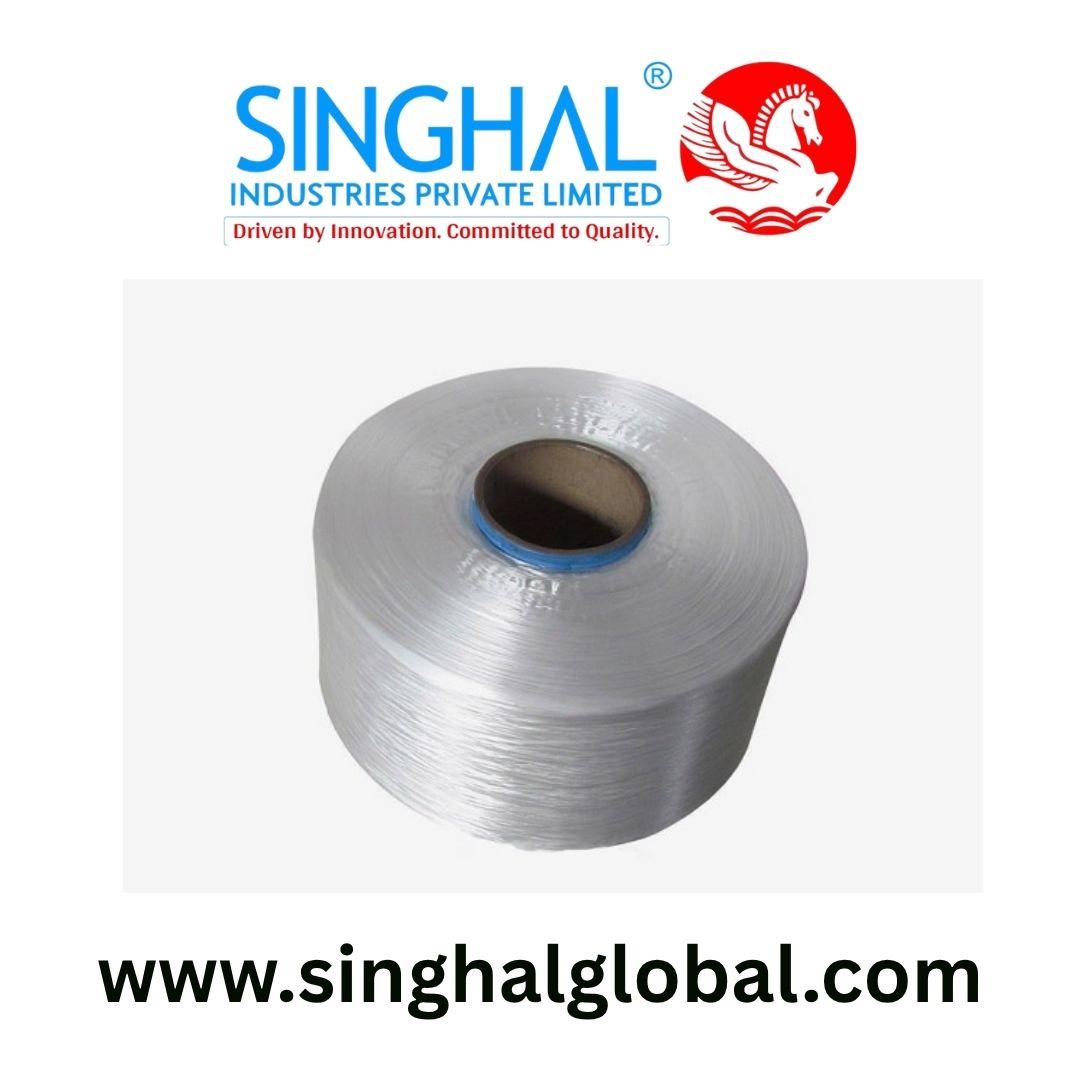
Understanding PP Multifilament Yarn and Its Importance
The PP multifilament yarn is made using the plastic raw material of polypropylene PP which is a type of thermoplastic polymer. Polypropylene PP possesses some properties that make it a good option for making textile products these include being lightweight, chemical resistant and versatile. Unlike monofilament yarns that are typically formed by a single strand of fiber, multifilament yarns are constructed from many strands of fiber to create a single yarn that is strong and flexible. Because of how the PP multifilament yarn was developed, it is possible to apply the use of this product across many different types of industries, including industrial, agriculture, packaging and technical textiles. There are also many variations in deniers, colors, thicknesses, etc., that enable producers to tailor their products based on what is needed by each industry. Also, because the PP multifilament yarn does not absorb much water and is resistant to most chemicals found in everyday life, it can be applied to situations where natural fibers would need extra protection.
Process and Material Characteristics
PP multifilament yarn is manufactured by a series of controlled processes, in addition to producing a continuous filament with consistent mechanical properties. Typically, the first step in the manufacturing process for PP multifilament yarn begins with selecting a specific type of PP resin based upon the characteristics desired for the end use product, as well as the anticipated conditions during the processing. Once the resin has been selected, it is fed into an extruder. An extruder heats the resin until it reaches a temperature where it may pass through a spinneret containing numerous small openings Each of these openings creates one continuous filament Once the filaments emerge from the spinneret, they cool down and become solid. Many manufacturers draw the filaments to align the polymer molecules and increase the tensile strength of the filaments. Finally, all of the filaments are combined, processed, and wound onto packages for storage, transport, and additional processing.
Major Advantages of PP Multifilament Yarn
PP Multifilament Yarn offers numerous benefits to manufacturers; however, one of the greatest benefits of using PP Multifilament Yarn is that it combines a very lightweight material with great mechanical properties. By reducing the weight of the yarn, manufacturers can drastically lower the weight of the finished product. This is particularly advantageous during shipping and transportation as well as during large scale manufacturing operations. Additionally, PP has a very low absorption rate of water under normal operating conditions. Therefore, if designed correctly, the yarn will perform well in humid or wet environments. Also, PP provides a high degree of chemical resistance to most acids and alkalis as well as some other chemicals. Consequently, manufacturers may use PP in applications where chemical resistance is necessary. The degree of chemical resistance offered by PP varies based on several factors including the type of chemical used, the amount concentration of the chemical used, the temperature at which the chemical is used, the length of time the PP is exposed to the chemical, and the design of the end product.
Industrial Applications of Polypropylene Multifilament Yarn
Polypropylene Multifilament Yarn can be utilized in many different industries. A primary example of how Polypropylene Multifilament Yarn can be used is as a sewing thread in the packaging industry. The sewing thread made from Polypropylene Multifilament Yarn is used to stitch together the edges of woven polypropylene sacks which creates a strong seal capable of holding large quantities of bulk material i.e. agricultural products, fertilizer, grain, sugar, etc. Additionally, Polypropylene Multifilament Yarn can be utilized in the production of narrow woven fabrics, strapping webbing and some technical textiles in the textile industry. Rope cord manufacturers can select a variety of different types of Polypropylene Multifilament Yarns to produce braided cords ropes with adequate strength and handling characteristics. There are numerous examples of construction applications that utilize Polypropylene Multifilament Yarn including Geotextiles and Reinforcement Textile Products.
Selecting a Reliable PP Multifilament Yarn
Companies that regularly ship raw material and continue to produce will find it important to select a reliable manufacturer of PP multifilament yarn. When choosing a manufacturer, companies should consider the following factors the manufacturer's ability to manufacture products the specifications of the products manufactured how quality controls are implemented and whether or not the manufacturer can meet your company's product volume needs. Most of the considerations when choosing a supplier of PP multifilament yarn are dependent upon the properties of the yarn Some examples include denier filament count tensile strength, elongation, evenness of color number of twists per unit length and the quality of the packaging The specific properties required of each of the above-mentioned elements will vary depending on what the yarn is going to be used for woven sacks, webbing, rope, geotextile, etc.
Quality Standards, Customisation, and Product Selection
Quality assurance is a very critical factor when choosing polypropylene multifilament yarn due to the fact that any small changes in the physical properties of the yarn can have a directs effect on the quality of the final product Denier is a measure of the linear density of the yarn, which allows consumers to make comparisons among different types of yarn by comparing them to one another in terms of thickness. Tensile Strength is defined as the maximum amount of force that can be exerted on the yarn prior to the yarn failing during specified testing procedures conducted in a laboratory setting. Elongation is used to describe how far the yarn can stretch before it fails. Tensile strength and elongation are both potential factors that could influence the performance of ropes, sewing threads, webbing and other technical textiles. In addition to these factors, the consistency of the packaging of the yarn is another important factor for companies that utilize automated high speed weaving.
Storage, Handling, Sustainability, and Cost Efficiency
The shelf life of your PP multifilament yarn may be extended if it is stored and handled appropriately. To protect the quality of your PP multifilament yarn, make sure that each package of yarn is stored in an area that is free from contaminants, as well as mechanical damage and excessive sunlight. Follow the guidelines provided by the manufacturer regarding how to stack, unwrap and handle the yarn so as not to cause any damage to the yarn. Using tension control devices on the machines that produce the yarn and utilizing machines that match those devices can help minimize the number of broken filaments and provide a consistent production. If you are trying to decide whether or not buying PP multifilament yarn at a reduced price is financially beneficial to you, evaluate the following factors technical performance, processing efficiency, delivery reliability and waste generated.
Conclusion
The application of PP Multifilament Yarn can include but may not be limited to Woven Packaging Ropes Cords Webbing Geotextiles Technical Textiles Certain agricultural product categories Whether or not the PP Multifilament Yarn has been applied successfully will depend on whether or not the yarn has been selected based on its intended purpose and also whether or not the production process production, storage, handling adheres to the relevant standards. Prior to purchasing PP Multifilament Yarn, buyers should consider several aspects relating to their selection of yarn. These considerations can include denier tensile properties filament arrangement color UV stabilization quality certification documentation and the manufacturer's ability to supply the needed quantity. An experienced PP Multifilament Yarn Manufacturer can aid buyers in choosing the most appropriate grade level of yarn and assist in maintaining uniformity across numerous production runs.
Frequently Asked Questions (FAQs)
What is PP Multifilament Yarn used for?
PP multifilament yarn has a wide range of uses, such as manufacturing ropes and cords; weaving sacks, webbing and geotextiles; making industrial fabrics; sewing thread; and a selection of agricultural and fishing nets.
What are the main advantages of PP Multifilament Yarn?
The primary benefits are its lightweight properties, low moisture absorption, suitable tensile properties, resistance to chemicals and versatility in producing various types of yarn specifications.
Who is the largest manufacturer of PP Multifilament Yarn?
Singhal Industries Private Limited produces PP Multifilament Yarn for industrial uses. It is difficult to identify which company has the highest manufacturing capacity without verifying each company’s production capacity independently and obtaining accurate market data.
How can buyers select a suitable PP Multifilament Yarn Manufacturer?
Before making their selection of a supplier, buyers must consider several factors such as technical specification evaluation, quality testing results, manufacturing capabilities, customization options available, sample performance, pricing and reliability of deliveries.
Can PP Multifilament Yarn be customised for different applications?
Yes. Buyers can request that the manufacturer provide different deniers, colors, filament configurations, twist levels, and packaging formats to accommodate their unique manufacturing needs.

 Polish
 Arabic
 French
 Spanish
 Portuguese
 Deutsch
 Turkish
 Dutch
 Italiano
 Russian
 Romaian
 Portuguese (Brazil)
 Greek