
How Can Outdoor Kitchens Transform Your Outdoor Living Space?
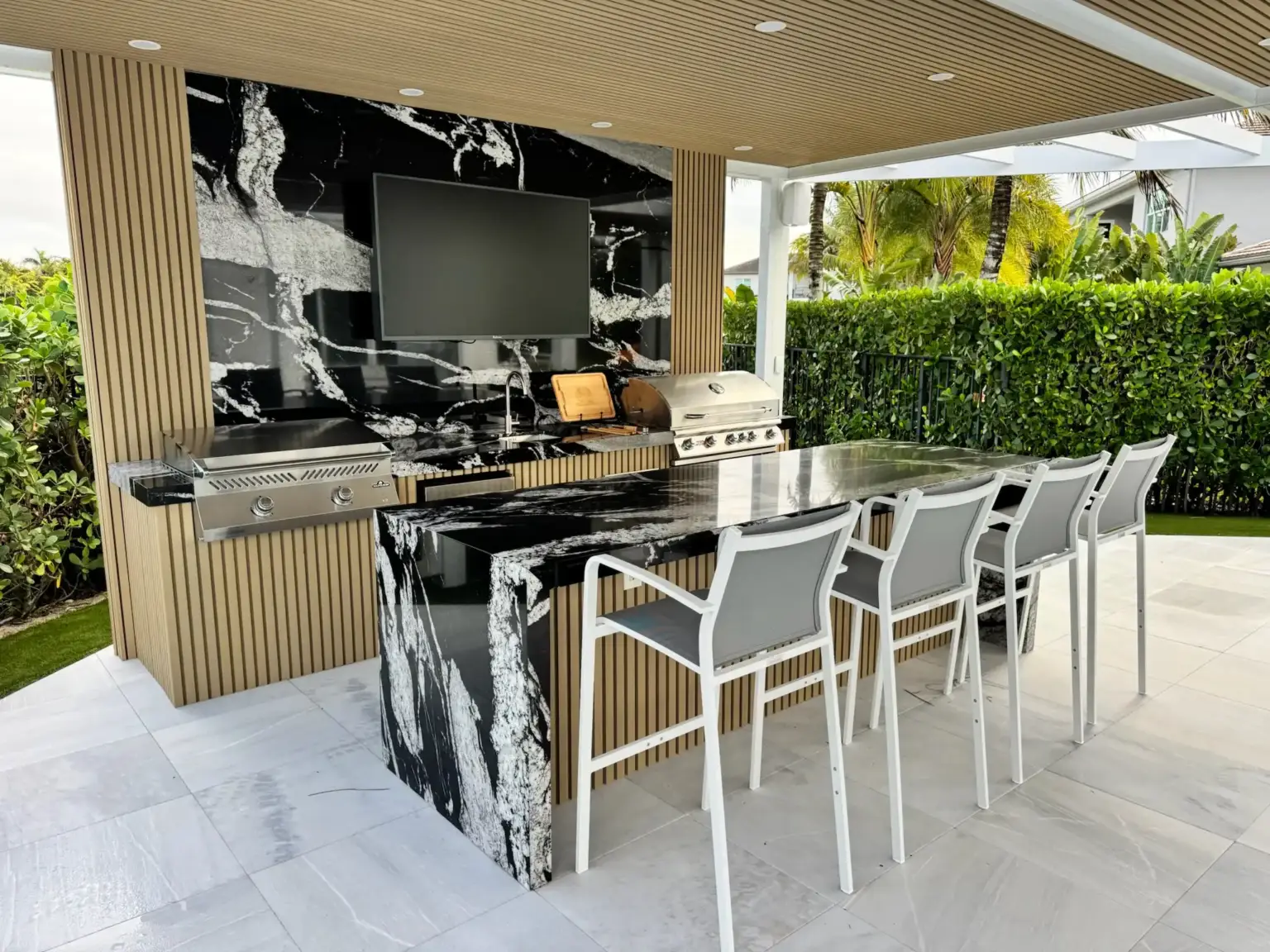
A Fresh Way to Enjoy Outdoor Cooking
Outdoor kitchens have become much more than a place to prepare food. They can turn a simple backyard, patio, or poolside area into a welcoming space where cooking, dining, and relaxation come together. Instead of preparing a meal indoors and carrying everything outside, you can enjoy the entire experience in one comfortable setting. With thoughtful planning, an outdoor kitchen can become a natural extension of your home and a place where family and friends enjoy spending time together.
Why Outdoor Kitchens Are Becoming Popular
One of the biggest reasons homeowners choose outdoor kitchens is the freedom they provide. Cooking outdoors can help keep strong food smells, heat, smoke, and cooking mess away from the main living areas. It also makes entertaining easier because the person preparing the meal does not have to stay separated from everyone else. A well designed space allows the cook to chat with guests, enjoy the surroundings, and remain part of the gathering.
Designing Around Your Lifestyle
Every outdoor kitchen should reflect the way you actually use your outdoor space. Before choosing appliances or finishes, consider how often you plan to cook outside and what types of meals you enjoy preparing. Someone who mainly grills on weekends may only need a quality grill, counter space, and storage. Another homeowner may prefer a sink, refrigerator, side burner, pizza oven, or additional preparation area. Planning around real habits helps prevent unnecessary features and creates a more useful space.
Choosing the Right Kitchen Layout
A practical layout can make outdoor cooking feel effortless. Straight line layouts work well in smaller areas, while L shaped designs can provide more preparation space without taking over the entire patio. Larger spaces may accommodate an island or U shaped arrangement. Whatever layout you choose, leave enough room for people to move around comfortably. The cooking area should remain practical while guests have enough space to sit, talk, and enjoy the surroundings.
Creating a Comfortable Cooking Zone
The grill is often the main attraction, but it should not be the only feature you consider. Good outdoor kitchens usually include dedicated areas for cooking, preparation, serving, and storage. Extra counter space is particularly valuable because it gives you somewhere to place ingredients, plates, utensils, and prepared food. If possible, keep frequently used items close to the cooking zone so you do not have to keep walking indoors during every meal.
Selecting Durable Outdoor Materials
Outdoor spaces experience sunlight, rain, humidity, dust, and changing temperatures, so material selection matters. Countertops and cabinets should be chosen for their ability to handle outdoor conditions while remaining easy to clean. Stone, concrete, and stainless steel are commonly considered for outdoor applications because they can provide durability when properly selected and maintained. The best material is one that matches your climate, cooking habits, design preferences, and maintenance expectations.
Adding Useful Appliances
The right appliances can make outdoor cooking much more convenient. A built in grill is a popular starting point, while a refrigerator can keep drinks, ingredients, and prepared foods nearby. A sink can reduce trips inside and make cleaning easier. Depending on your cooking style, you might also consider a side burner, pizza oven, smoker, or additional cooking surface. It is better to choose a few appliances that you will regularly use than to fill the kitchen with features that rarely serve a purpose.
Making Space for Family and Guests
An outdoor kitchen should not feel like a separate work area where the cook is isolated. Consider adding comfortable seating close to the cooking zone. A counter with stools can provide a casual place for people to chat, while a nearby dining table can create a more traditional meal setting. Good planning allows guests to remain close enough to interact without getting in the way of food preparation. This balance can make gatherings feel relaxed and natural.
Planning for Shade and Weather
Weather can determine how often you actually use your outdoor kitchen. Strong sunlight can make cooking uncomfortable, while rain can quickly interrupt a gathering. A pergola, covered patio, retractable canopy, or suitable roof can provide valuable protection. At the same time, ventilation should remain a priority around cooking appliances. Think about the direction of wind as well, especially if you use a grill or other equipment that creates smoke. Good placement can help keep smoke away from seating areas and nearby doors or windows.
Do Not Forget Lighting and Storage
Outdoor cooking often continues after sunset, so lighting should be part of the original plan. Task lighting can make food preparation easier, while softer lighting around seating can create a warm atmosphere. Storage is equally important. Weather resistant cabinets and drawers can hold cooking tools, plates, serving items, and other essentials. Keeping these items close to the kitchen makes the space easier to use and reduces the need to carry supplies from inside every time you cook.
Plan Utilities Before Construction
Water, drainage, electricity, and gas should be considered before construction begins. Trying to add these services after the kitchen is completed can be difficult and expensive. Proper drainage is especially important because outdoor cooking areas naturally deal with rain, spills, and cleaning water. Electrical outlets should also be suitable for outdoor use and positioned safely. Professional planning can help ensure that the finished kitchen is both convenient and safe.
Making a Small Space Work
You do not need a huge backyard to enjoy outdoor cooking. Compact kitchens can work beautifully when every part of the design has a purpose. A small grill, narrow preparation counter, compact storage, and carefully positioned seating may be enough for a comfortable setup. Vertical storage and a simple L shaped design can also help maximize limited space without making the area feel crowded.
Creating a Space You Will Actually Use
The most successful outdoor kitchens are not necessarily the biggest or most expensive. They are the ones designed around everyday needs. Think about where you naturally like to sit, how guests move through the yard, where the sun falls, and how close the kitchen should be to the home. When these details are considered from the beginning, the finished space feels connected rather than added on.
A Long Term Investment in Outdoor Living
Outdoor kitchens can bring together several parts of modern home life in one setting. They provide a place to cook, entertain, dine, and enjoy fresh air without constantly moving between indoor and outdoor areas. With durable materials, a sensible layout, useful appliances, comfortable seating, and protection from the weather, the space can remain enjoyable for years. Most importantly, it can create more opportunities for simple moments, from weekend breakfasts to evening meals with family and friends.
Final Thoughts
Outdoor kitchens are about more than adding cooking equipment to a backyard. They are about creating an outdoor environment that feels comfortable, practical, and personal. Start with your lifestyle, choose features that genuinely support your cooking habits, and give careful attention to layout, materials, lighting, storage, ventilation, and weather protection. When every element works together, your outdoor kitchen can become one of the most enjoyable areas of your home.

 Polish
 English
 Arabic
 French
 Spanish
 Portuguese
 Deutsch
 Turkish
 Dutch
Dutch
 Italiano
 Russian
 Portuguese (Brazil)
 Greek
Greek