
Commercial Property Insurance Protecting Your Business Assets
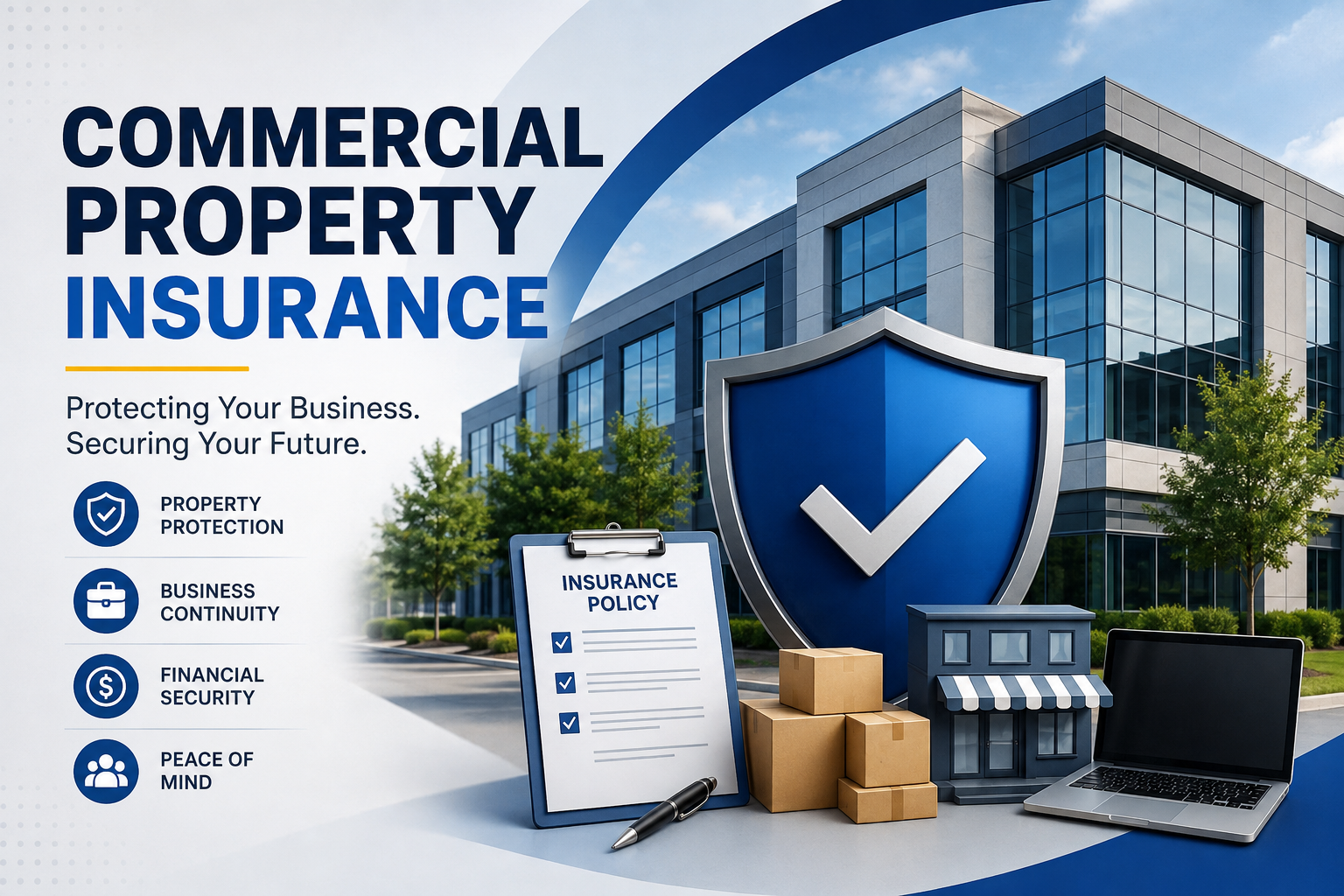
Running a business involves more than serving customers and managing daily operations. Business owners also have to protect the physical assets that keep the company running. A fire, severe storm, burst pipe, or act of vandalism can damage a building, destroy equipment, and interrupt normal operations for weeks or even months.
Commercial property insurance helps businesses recover from these unexpected events by covering eligible losses involving buildings, business personal property, and other essential assets. Understanding how this coverage works can help owners identify gaps before a costly event occurs and make informed decisions about their protection.
Why Property Losses Can Create Major Business Problems
Many businesses depend on physical property to generate revenue. A retail store needs inventory and fixtures. A contractor relies on tools and equipment. An office depends on computers, furniture, and records. If those assets are damaged or destroyed, the financial impact can go far beyond the cost of replacing them.
A property loss may lead to several challenges, including:
- Repairing or rebuilding damaged structures
- Replacing machinery and office equipment
- Purchasing new inventory
- Temporarily closing the business
- Losing income while repairs are completed
- Paying ongoing expenses despite reduced revenue
Without adequate protection, these expenses may come directly from the business owner's savings or operating capital. For many small businesses, a single major loss can create significant financial strain.
What This Coverage Typically Protects
A commercial property policy is designed to protect the tangible assets owned or used by a business. The exact protection depends on the policy, but many plans include several important categories.
Buildings
If the business owns its office, warehouse, store, or other commercial structure, the policy may cover damage caused by covered events. This can include repairs to the roof, walls, flooring, and permanently attached systems.
Business Personal Property
This category generally includes items such as:
- Furniture
- Computers
- Printers
- Tools
- Machinery
- Shelving
- Fixtures
- Inventory
These items are often essential to daily operations and can be expensive to replace after a loss.
Improvements to Leased Space
Businesses that rent their location may have invested in improvements such as custom flooring, built-in cabinets, or specialized lighting. Depending on the policy, these improvements may also be covered.
Common Events That May Be Covered
Most policies protect against a range of accidental events, although coverage varies.
Examples may include:
- Fire and smoke damage
- Windstorms
- Hail
- Theft
- Vandalism
- Certain types of water damage
- Damage caused by falling objects
However, not every event is automatically included. Flooding and earthquakes, for example, often require separate coverage depending on the location and policy.
Understanding Replacement Cost and Actual Cash Value
One of the most important decisions involves how damaged property is valued.
Replacement Cost
This option generally pays the cost to repair or replace damaged property with similar new items, subject to policy limits and conditions. It can provide stronger financial protection because it does not usually reduce payment for depreciation.
Actual Cash Value
Actual cash value typically considers depreciation. For example, a five-year-old computer may not be reimbursed at the cost of purchasing a brand-new replacement.
For businesses with expensive equipment or inventory, understanding this difference is essential because it can significantly affect the amount received after a covered loss.
Business Income Protection Can Be Just as Important
Property damage is not always the biggest financial challenge. Sometimes the greater loss comes from being unable to operate.
Business income coverage, often called business interruption insurance, may help replace lost income when a covered property loss forces the business to temporarily close or reduce operations.
Depending on the policy, it may also help pay certain continuing expenses, such as:
- Rent or mortgage payments
- Employee payroll
- Utilities
- Loan payments
- Temporary relocation costs
This coverage can help a business survive the period between the loss and reopening.
How Much Coverage Does a Business Need?
Choosing the right amount of protection requires more than estimating the value of the building.
Business owners should consider:
- The cost to rebuild the structure at current construction prices
- The replacement value of equipment and furniture
- The value of inventory during peak seasons
- The cost of specialized machinery
- The amount of income that could be lost during a prolonged shutdown
Underinsuring property may result in out-of-pocket expenses after a major claim, while purchasing excessive limits can increase premiums unnecessarily.
Factors That Affect Insurance Costs
The price of coverage depends on several factors.
Location
Businesses located in areas with higher risks from hurricanes, wildfires, or other natural hazards may pay more.
Construction
Buildings made with more fire-resistant materials may qualify for lower premiums than older structures with greater fire risk.
Business Type
A quiet professional office generally presents different risks than a restaurant, manufacturing facility, or auto repair shop.
Security Features
Alarm systems, sprinklers, security cameras, and monitored fire protection can sometimes reduce risk and influence pricing.
Coverage Limits
Higher coverage amounts and lower deductibles generally increase premiums.
Common Mistakes Business Owners Make
Several mistakes can leave businesses underprotected.
Assuming the Landlord Covers Everything
A landlord's policy usually protects the building itself, not the tenant's equipment, furniture, or inventory.
Forgetting About Business Income
Owners sometimes focus only on physical damage and overlook the income lost during repairs.
Not Updating Coverage
Businesses grow over time. New equipment, additional inventory, or renovations can increase property values. Reviewing the policy annually helps keep coverage aligned with current needs.
Choosing the Lowest Price
The cheapest policy is not always the most suitable. Exclusions, deductibles, and coverage limits should be reviewed carefully before making a decision.
How to Review a Policy Before Buying
Before selecting coverage, ask these questions:
- What property is specifically covered?
- Which causes of loss are included?
- Are replacement cost or actual cash value terms used?
- Is business income protection included?
- What exclusions apply?
- What deductible would the business pay after a claim?
- Are there separate limits for certain types of equipment?
An experienced Insurance Agency can help explain these details in plain language and identify potential coverage gaps based on the business's operations and property.
Who Should Consider This Coverage?
Nearly every business with physical assets can benefit from reviewing its property protection, including:
- Retail stores
- Restaurants
- Offices
- Contractors
- Manufacturers
- Warehouses
- Professional service firms
- Small home-based businesses with valuable equipment
Even businesses that lease their space often own enough equipment and furnishings to face a substantial financial loss after a covered event.
Final Thoughts
Unexpected property damage can disrupt operations, reduce revenue, and create significant expenses at the same time. A well-designed commercial property insurance policy can help businesses repair or replace damaged assets and recover more smoothly after a covered loss.
The most effective approach is to evaluate the value of buildings, equipment, inventory, and potential lost income before selecting coverage. By understanding how the policy works, reviewing exclusions, and updating protection as the business grows, owners can reduce financial uncertainty and focus on keeping their operations moving forward when unexpected events occur.

 Polish
 Arabic
 French
 Spanish
 Portuguese
 Deutsch
 Turkish
 Dutch
Dutch
 Italiano
 Russian
 Romaian
 Portuguese (Brazil)
 Greek
Greek